As with any investment, there is a certain amount of risk to negotiate when investing in gold or silver. Here at Physical Gold we have many years of industry experience and can help you make an informed decision when purchasing precious metals. Here are some of our top tips for mitigating some of the risks involved in purchasing gold and silver:
Buy from a trusted dealer
When purchasing gold and silver in any form, whether it’s jewellery, bars or coins, it is always important to make sure you do so through a trusted dealer. There’s a huge amount of counterfeit goods out there, particularly online, so it’s always important to go to a recognised dealer and do some research on them beforehand. You also need to be aware of any hidden fees and costs when purchasing gold and silver as a lot of dealers advertise really low prices but then charge extortionate prices for handling, shipping costs etc. We’re members of various trade associations, including the BNTA and British Numismatic Society.
Gold and silver in the form of bullion bars and coins
Understand the pros and cons of investing in different forms of gold & silver
People invest in many different types of gold and silver. Whether it’s coins, bars or jewellery, it is always important to understand your requirements and what the best options are for you. For example, many people like to invest in bullion coins because they are easily stored and have a guaranteed purity. They are also fairly liquid should you need to raise money quickly. Some forms of gold and silver, including legal tender bullion coins such as Britannia’s and Sovereigns, also come with added tax benefits and are capital gains tax-free, making them an ideal purchase for many investors.
Do some background research
If you’re thinking about investing in gold or silver, then you should always make sure you do your research first. Have a look at look at futures tables and forecasts to make sure you get a picture of how the market is shaping up and consult with an expert if you’re unsure about anything. It is also worth checking the current spot price of gold and silver as this will give you a basic idea of what people are paying.
Think about different storage options
Before investing in any form of gold and silver, it is important to think about how you are going to store the goods. If you’re planning to store your goods at home for ease of access, then you will want to think about how this may affect your insurance and whether you have a suitable and safe place to store your gold or silver. You also need to be careful about who you divulge any info to regarding where the goods are secured as you don’t want them to be stolen.
If you’re purchasing gold and silver purely as an investment, then you might want to consider whether it’s worth storing it in an allocated vault. The cost of transporting gold and silver as well as insuring the content is often very expensive. You can save considerable costs by keeping your goods stored in a secure vault and it will also give you complete peace of mind that your items are safe and protected.
When it comes to selling precious metals, there are several things you need to consider. We are lucky we live in an age where there are so many options available to investors and selling gold and silver at the best rate is relatively easy. However, if you’re not careful, it is very easy to get ripped off, particularly if you’re not sure what you’re doing. Here are 10 important considerations to consider when selling gold or silver.
1) Find out how much your gold/silver is worth before you sell it
Most dealers will always pay less than the spot price for your goods as they need to make money themselves. It’s always a good idea to get an idea of what your items are worth before you sell them, so you get a fair price. Try and do your own research as much as possible before selling your gold and silver, and if you need a rough idea of its value then there are gold/silver value calculators online that can give you the current value of your gold/silver per gram.
Futures prices are different from the spot price and show the predicted value of gold for some time in the future rather than their current value. Futures prices can only give you an indication of how well gold and silver are expected to perform, however, it is still worth checking futures prices before deciding to sell, as it can give you an idea on how well the market’s performing.
3) Monitor exchange rates as well as gold/silver prices
Since gold and silver are priced in US dollars, it is important to look at how well your currency is performing against the dollar before deciding whether to sell. It is not enough to simply look at the current value of gold/silver because if the currency your trading in is weak against the dollar, you may find that you’re not making as much profit as you thought.
Gold and silver coins
4) Should you sell on-line?
The internet has created many opportunities for investors to buy and sell online, however, there are risks involved with trading on the web. Whilst there are a huge number of traders and dealers on-line, there are also a lot of scams and companies looking to rip you off. Make sure you do your own research before selling online and shop around for different quotes. You can sometimes get better prices for your goods online as dealers have fewer overheads to pay.
Don’t be fooled by the several ‘cash for gold/silver’ schemes out there in the market. Most of the times, these are unscrupulous brokers who will pay you far less than what your precious metals may be worth. Also, it may not be safe to put your gold in the post and send it to these traders. Always trade with a well-known dealer who has a clean track record. There are several good online traders in the market today. It’s worth doing your homework in order to identify a couple. In the same vein, it’s better to develop a relationship with two or three good brokers, rather than stick to just one. This will give you the advantage of being able to shop around and lookout for the best deal you can get.
5) How liquid are the goods?
When purchasing gold or silver to sell, it is important to think about the liquidity of the goods before you buy them. In other words, how quickly or easily can you convert them into cash. Both gold and silver are considered liquid commodities, however, depending on what form you buy it in, it can sometimes be more liquid than others. For example, bullion coins are typically much more liquid than numismatic coins as the market tends to be less volatile and it isn’t exclusively coined collectors who buy them. Silver is also more of a liquid asset than gold. This is because it is much more affordable for most people, and therefore there are more buyers out there.
6) Sending by post
If you’re planning on posting the goods to a buyer, then you should always check first to see if your courier allows the transportation of gold or silver and whether the goods are ensured in the event of loss or damage. Most couriers do not insure gold or money, this means that if there’s a problem you probably won’t get your money back. Always make sure your parcel is tracked when sending and that they are “signed for” on delivery.
Three Gold Bars
7) Capital gains tax
Capital gains tax applies to everything you sell, exchange or have made a profit on. If you make more than £12,000 profit on any items you’ve traded in the financial year, then you will be subject to pay capital gains tax on anything over that amount. Certain bullion coins are exempt from CGT tax altogether in the UK. These include any coins produced by the Royal Mint that are considered British legal currency. For example, silver Britannia coins are exempt from CGT.
8) Don’t expect to get the spot price
You will rarely be offered the spot price when selling gold or silver as dealers are looking to make as much money as possible. Normally a dealer will have a buying price and a selling price. If you’re selling goods to the dealer you will always get less than if you’re buying from them. This is known as the spread.
It’s best to shop around for the best price when selling gold bars
As a buyer or seller, it’s important to understand the role that premiums play in the price of gold and silver. The spot price is really a guide price in the market that is stated in USD per ounce. Of course, on any given day, you will need to convert this price into GBP to understand it better. The good news is that many reputed UK brokers will already have the Sterling price up on their websites. Now, when you buy precious metals, you will pay a slightly higher price margin than the spot. Likewise, when you sell, you will receive a slightly lower price than the spot price at that point in time. Of course, these premiums can vary depending on what you’re buying or selling. For example, if you are buying gold coins that are rare and have numismatic value, they would command much higher premiums due to their age and market value.
9) Avoid the spread
The difference between the price a dealer pays for your goods at and the price they sell them for is known as the spread. One way to maximise your profit when selling gold and silver is to try and reduce the size of the spread through clever investing. The size of the spread can vary dramatically from dealer to dealer so always look around before buying. The spread is also considerably lower if you hold your gold in allocated storage with a bullion dealer rather than trading in physical coins.
10) Selling overseas
Don’t forget that when you sell overseas, the laws of the country in which you sell will apply to the sale. Always remember to check any rules and regulations that may be applicable if you plan on exporting gold abroad.
All fans of the old spaghetti-style western movies would remember the film – “The good, the bad, and the ugly”. Speculative investors often invest in a typical cowboy style without understanding the dynamics of the market. In a world where online gold dealers are becoming increasingly popular, savvy investors need to be aware of the pitfalls of this market. In this article, we will explore the pros and cons of gold and silver investing and also look at a few novice pitfalls which could leave your investment stranded, if you’re not careful.
The pros of investing in gold and silver (‘The Good’)
While gold and silver has been used as a medium of exchange in the past, coins and bars are now bought and sold as an investment. Buying real physical gold (as opposed to paper or electronic), offers a unique, intrinsically valued asset which can rise in value and provide balance to a portfolio.
Established market
The Internet and the information age has created transparency across the globe when it comes to gold and silver prices. It doesn’t matter whether you’re based out of Honolulu or Hokkaido, spot prices of gold and silver are easily available for all investors to browse before buying or selling. There are plenty of reputed online gold dealers who would guarantee your purchases and industry bodies like the LBMA or the BNTA are regulating the market at all times. This creates a level playing field for all investors to be able to invest their money safely.
Physical gold is an investment that stands the test of time
Verifiable assets
For investors in the UK, the London bullion market has created a system by which all gold bars in their system are verifiable, starting with the manufacturer, the assayer through to storage facilities in which the bars are held in LBMA recognised vaults. Through these best practices, the gold industry has reduced the risk of counterfeit bars entering the system. In a similar manner, the silver industry is also well regulated, providing investors with a transparent market where their money is safe as long as they’re dealing with registered, reputed brokers and dealers.
Precious metals like gold and silver are an excellent hedge against economic turmoil and inflation. The prices of gold and silver have remained relatively stable over the years and are not affected by volatility in the way that other asset classes are. All of this makes investments in gold and silver worthwhile in the long run. Owning gold or silver will likely reduce your overall financial risk as their value tends to rise when mainstream assets fall. In other words, gold and silver investment thrives during times of economic turmoil.
Disadvantages of gold and silver investing (‘The Bad’)
There are possible downsides to every investment and gold and silver have their possible disadvantages too. It’s always important to assess every investment opportunity on it’s merits and judge it based on your investment objectives and priorities.
No income from owning coins or bars
Once an investor purchases gold or silver in its physical form, he/she cannot make an income out of this investment unless the asset is sold. Certain investments in gold and silver are tax-free in the UK, however the same does not apply to the rest of the world. Of course, there are ups and downs in the spot prices of gold and these asset classes cannot be used to make quick money. Investors need to remain invested over the long-term in order to reap benefits from their investments.
Don’t buy the wrong type of gold
Buying gold and silver jewellery is not ideal as making charges and wasted charges are deducted from the sale price. Since the prices of gold and silver do not rise quickly, these deductions could erode whatever returns you have made on your purchase. Only investment grade gold is VAT-exempt, so ensure you are buying bars and coins of 22 karats and higher only.
Buying gold or silver coins with huge premiums or in expensive packaging can also negatively impact your investment returns, so be sure to research the best coins for investment in your country. A good precious metals dealer should be able to provide guidance.
Costs to buying, selling and storing
The spread between the price you pay when buying and selling is higher when dealing with physical silver and gold than with electronic assets. The cost of manufacturing and distribution means that the market has to move up more with gold and silver investing to make a profit than trading stocks.
Another downside of investing in gold and silver is that you need secure storage. It may not be safe to store precious metals inside your home, especially if you have a large amount.
Professional storage solutions are available, for example, Physical Gold stores their client’s purchases in an LBMA approved vault. However, there are costs attached to this and this and needs to be factored into the overall price.
The downright ugly
Trading in the precious metals markets requires you to be a savvy investor and have good knowledge of the market, especially when it comes to identifying genuine gold and silver. While there are accessories available in the market that can help you do that, you do require experience and specialised knowledge to be able to tell whether a bar or a coin is counterfeit. There are plenty of rogue traders out there and that’s the ugly part. Many in investors often fall for the lure of advertising and end up dealing with one of these rogue traders. Needless to say, their purchases are often fake and by the time the end up realising that, the money is all gone.
As a precious metals investor, you need to deal with a reputed online broker at all times. The BNTA website has a full list of registered traders. Physical Gold is proud to be an authorised BNTA trader and has a long track record in the market, with thousands of customers who had a great experience with us.
Don’t fall for the bad and the ugly
Talk to our precious metals experts at Physical Gold today and they will advise you on the best way to invest in gold and silver. Our investment experts take into account your investment goals, your personal profile and your investable capital. They use this information to advise you on the best way to build up a precious metals portfolio at the best prices in the market. Call us today on 020 7060 9992 or get in touch with us online to speak to a member of the team.
Investment in silver can be lucrative, due to market expectations of steady price increases. The current spot price of silver has been around $16.58 per troy ounce. There are analysts who believe that this price could soon be at $20. Still, others are bullish on the precious metal, believing that it could hit a high of $130 over the longer term. It may be worthwhile to note that there was a silver rally a few years ago when the spot price touched $50 in 2011.
Although, that high was a response to investors hedging their risks in order to move their money out of the global capital markets, which were in turmoil at that point in time. Well, whether you’re bullish on silver or not, investments in precious metals provide balance and stability to an investment portfolio. There are many investment advisors who recommend an asset allocation of at least 7-15% in precious metals, in order to hedge risks and balance the portfolio.
The growing interest in silver, but where to start?
The excitement for silver investing is growing, with the number of silver enquiries we receive on a monthly basis quadrupling over the past 3 years. As its popularity and demand has increased, so has the various ways to invest. But with so much choice, which type of silver investment is the best?
Types of Silver investment options
On a simple level, types of silver investment can fall into two broad categories;
Physical Silver
Paper & Silver-backed
Silver Bars are a great way of saving for retirement
Let’s look at each one of those in turn;
Physical Silver investment
As the name suggests, various physical silver investments are real, tangible pieces of silver which can be delivered or stored in a vault. One of the main advantages of physical silver investment is that there’s no counterparty risk involved. The silver has an intrinsic value according to its silver content so its value can never fall to zero. Access to the silver can be instantaneous if kept at home, so you’re not reliant on any third party transactions.
One of the major motivations to own silver as an investment is to hedge against market downturns and paper asset collapses, like 2008’s credit crunch. It makes sense then that physical silver most appropriately negates the very paper risk you’re trying to avoid.
1) Silver coins
Government minted silver bullion coins (such as silver Britannias) are one of the most popular physical silver choices.
The quality of coins is predictable with a refined and practised manufacturing process. Just as importantly, the coins features are always stamped onto the coin, such as purity, year of issue and face value.
Uncirculated coins are in perfect condition and can be bought at relatively low premiums due to mass production. Limited issue coins are also available which command higher premiums and can rise in value quicker than standard issue coins.
Generally, the cost of silver coins is slightly higher than the equivalent weight in silver bars due to their added collectability and divisibility.
Silver Bullion coins offer a high degree of flexibility
How about pre-owned silver coins?
While a vast majority of our silver coins are brand new, every now and again we feature a ‘pre-owned product’ or ‘best value coin’. This will simply be coins we’ve bought back from one of our larger customers. If you see these coins on our site, snap them up if you’re seeking tax-efficient investment value. Coins may be slightly tarnished from coming into contact with the oxygen in the air, but this doesn’t impact our buy-back cost. The largest challenge is that most customers buy and hold silver coins for the long term, so pre-owned coins don’t appear often and usually get snapped up quickly.
Pre-owned silver coins can cut prices further
Are pre-owned coins, junk silver?
The short answer is no. We won’t sell pre-owned silver coins if they’re damaged. The term ‘junk silver’ tends to refer to coins produced mainly by the US (pre-1965) and the UK (pre-1946) such as Crowns. Often silver purity is also far lower than the 99.99% we are used to today in bullion coins. Junk silver is regarded as too good to qualify as scrap silver. We don’t sell junk silver as our focus is on silver investment. We feel that junk silver is a specialized market on its own which requires far more seasoned silver buyers than the average customer. Its lack of standardised quality and condition introduces unnecessary risks into silver investment which can be avoided with high purity silver coins.
How about Silver rounds?
Silver rounds are similar to Government produced silver coins but tend to be privately minted and are missing the crucial face value. While they can be bought cheaper than silver bullion coins, they generally fetch less upon sale and most importantly don’t qualify as legal tender.
2) Silver bars
With silver’s low price, producing 1oz silver coins can lead to a relatively high production cost in percentage terms. In simple terms, a £1 cost of producing a 1oz gold coin may only be 0.1%, but the £1 cost of minting a 1oz silver coin is nearer 6%.
Silver bars though can be manufactured in far larger sizes, reducing the silver cost per gram and providing a convenient form of investment.
Which weights can I expect?
Weights can be denominated in both imperial and metric systems. Typically, the US sticks to the former, with Europe preferring the more modern grams and kilos. Sizes vary from diminutive 1oz bars, right up to 100 troy ounces, and from 100g through to 1kg and 5kg.
Like coins, silver bullion bars are well-regulated and standardised.
Silver bars are cheaper per gram than silver coins
Any recommendations on size?
One pitfall to avoid is simply buying the biggest bar possible for your money in a hope of reducing the silver price per gram as low as possible. While the largest bars are more cost-effective, it leaves the buyer with little room to manoeuvre. The investor is unable to liquidate small parts of their portfolio due to the inflexibility of the bars. The idea is to target the sweet spot between cost and liquidity. For that reason, it’s no surprise that 1kg bars are the most popular size.
“Silver investing in 2019 and beyond” a YouTube video from Physical Gold Ltd.
We exclusively sell silver bars at very competitive prices
Are these silver bars CGT free?
At the moment the answer is no. Because there are no UK face value silver bars, they’re not CGT exempt. Maybe this is something for the future, especially with the popularity of the non-UK ’coin bars’. But this doesn’t mean you’ll be taxed on any profits. Each UK resident is permitted an annual CGT allowance, currently £11k, which grows each year. That means you can sell your silver bars and pay no tax on any profit up to that amount. Tax is only applied to profits above your allowance. Not only that, but your allowance resets each tax year. So, selling some silver before April 5th and some after will entitle you to £22k of tax-free profits!
UK Self Invested Personal Pensions (SIPP). Silver bullion isn’t currently accepted. However, with the Government continually seeking to encourage more of us to save for retirement, the list of permissible assets will be reviewed. With silver amongst the highest growing asset classes, it will no doubt make it onto their radar.
3) Silver jewellery and silver grain
Obviously, silver jewellery can also provide a level of silver investment. For many years, precious metals lovers have been buying silver jewellery and benefitting from their value rising.
However, it’s important to understand that this is a very different challenge to investing in silver coins and bars.
What are the pros and cons?
The price of the item will also be significantly higher than the equivalent weight in silver coins or bars. That’s because jewellery is priced to reflect the design and beauty of the item. The problem is, this value is very much subjective. Only silver purity is standardised with silver jewellery. The rest is very much bespoke. This opens up the real possibility of paying over-the-odds for an item and just as importantly, not receiving your ‘perceived value’ when it comes to selling.
So, we should just avoid jewellery?
Certainly, as a silver investment, we stick to silver coins and bars. They provide a far more predictable, tax-efficient and cost-effective means of investing. However, don’t forget that jewellery should be worn and enjoyed, so it really can’t be compared like-for-like with silver bullion.
Silver can be enjoyed and used but is a less effective type of silver investment
..and silver grain?
Silver grain is small pieces of silver sold by weight. Premiums are low due to a lack of manufacturing cost, but it also reflects the fact that it doesn’t benefit from any of the tax efficiencies of coins and bars. The market for silver grain is also more focused on those wishing to use the grain to make jewellery, so liquidity for selling on your silver investment as grain is diminished.
Paper silver
Silver-backed assets and electronic silver investments have grown in variety over recent years, as more investors wish to actively trade the market. They provide lower cost ways of accessing the market as they avoid the cost of manufacture, delivery and storage.
However, the risks of these silver investments are different from owning physical silver.
1) Silver ETFs
Exchange traded funds (ETFs) can be linked to silver. Rather than take delivery of silver bullion, silver investors can buy units of the silver ETF. Participants can buy and sell at lower margins than with physical silver, but there will be brokerage fees to do so and annual management fees of the fund.
ETFs don’t offer the comfort of owning the physical silver in your hand which could prove significant as many funds are leveraged with only a small percentage of actual physical silver bullion backing the investment amount.
Those concerned about the value of fiat paper currencies may be disappointed that they never own any actual silver bullion.
2) Silver futures contracts
Buckle in, as this type of silver investment is only for the more sophisticated investor. For many, silver’s potential massive price gains are the main driving force, rather than market protection and insurance. Silver futures contracts provide a means for these people to speculate on the future price of silver.
While owning physical silver is about taking the risk away (and making great returns), investing in silver futures is certainly about taking the risk. But with great risk, comes great potential reward, and possibly in a short space of time.
So how does it work?
A large amount of ‘silver futures’ can be bought at a relatively low initial cost. The buyer agrees to buy a fixed amount of silver on a set future date, but speculators never opt to actually receive silver bullion when the date arrives. Instead, they simply settle the difference either way on the future date, depending on which way the market has moved. This is known as paying the margin. The minimum and maximum trading amounts depend on which exchange is used, with the most popular being the Commodity Exchange of the New York Mercantile Exchange (COMEX).
The added flexibility to futures and options on silver is that the investor can make money on the silver price going down as well as up. By ‘going short’ on a future or option, the participant is hoping they can buy the silver back (or settle their margin) for a lower amount on the future date.
Electronic types of silver investment can be far riskier
What are the risks?
While the leverage involved can magnify possible gains, it can also cause large losses. With many futures and options traders moving in and out of the market well before the ‘maturity’ of the future, it can be a rollercoaster ride. Speculation and volatility play a far greater role than investing in physical silver, with the real danger that you can lose your entire investment.
3) Silver mining stocks
Obviously, the process of silver being discovered and mined can also provide investment opportunities. Investing in silver mining shares is a completely different opportunity and risk profile again. While the silver price does play a role, the value of the investment is more closely linked to the individual mining company.
How does it work?
Just like buying and selling any stocks, an investor can own a share in a silver mining company. Unlike investing in physical silver, no actual silver bullion is ever owned, instead, the buyer has a paper share. These shares are easily traded on the market and buy/sell margins are low.
What are the risks and rewards?
These shares can outperform the silver price
if the particular company, you own a share of outperforms others. Equally, if the company has poor management, the investor could lose the entire investment if the mining company goes bankrupt. This can be a major factor when fixed costs such as oil rise but the silver price doesn’t. Profits become squeezed and sometimes mines temporarily close to save costs. Buying silver funds can reduce this dependence on one company by investing in a wider selection of mining corporations.
Which choice is right?
Each type of silver investment should be evaluated on its individual merits and how it best meets your objectives. We only focus on physical silver investments, as we’d prefer to be great at that than try to please everyone. Physical silver also sits most comfortably with our philosophy behind precious metals. We believe the very fact their physicality is rare, makes paper and electronic versions completely different assets altogether.
As a general guide, physical silver if bought in the right way (tax efficiently) best suits those seeking the ultimate reassurance of owning a physical asset, with no counterparty risks.
For those with sophisticated market experience and willing to adopt a higher risk to market timings by trading the market., then electronic silver proves popular.
Finding the right silver dealer
So, assuming that you are a keen silver investor, the next step in order to invest in silver is to identify a reliable silver broker. Our niche is to offer tax-efficient methods of silver investment to our customers.
Physical Gold has historically been a highly reputed online broker and investment advisor of precious metals. We are registered with the British Numismatic Trade Association (BNTA) and abide by their strict code of conduct. Our customer offerings are second to none and all deals available through our website are extremely transparent and provide investors with great value for money. All our products come with a certificate of authenticity, as well as a buyback guarantee.
Getting started
If you’ve decided which type of physical silver investment you’re after, simply open an account on our website, find the best deals on offer from the website and add these to your shopping cart.
Call us to discuss your silver buying options
Our team of investment advisors are ever ready to help you select the best silver buying option for you. Call us now on 020 7060 9992 or get in touch with our team online in order to discuss investment strategies, choice of product categories and the best product deals. We also sell a massive range of gold products too including gold bars and gold coins.
With silver predicted to go up to $30 per ounce, many investors are now keen to buy silver. Like any other precious metal, one needs to be abreast of market trends and have some knowledge on buying silver before going about it. There are many forms of silver available in the marketplace, and it is important for investors to know how to assess purity, find the best dealer, be aware of the different sizes available and lastly, know the right price to pay.
Do understand the forms of silver
The most commonly available form is called the bullion bar. These are available in round, triangular and rectangular forms. The rectangular form is often the most popular as it facilitates ease of storage. When buying an investment-grade bar from a reputed dealer, it’s important to note the purity number. This is usually imprinted on the bar and written as .995 or .999. Basically, a bar with a number that says .999 is 99.9% pure silver.
Buying silver and art combined…
Art bars are also available, and these are different from bullion bars as they usually have some kind of artwork with imagery or commemorative signage. Sometimes, these bars are released by mints to commemorate certain historical events. As these are collectables, they are often worth more than their spot price in silver. However, it is important not to get hung up on buying these collectable bars and invest the premium instead of buying bullion bars.
One kilo silver bars are a great investment
Do familiarise yourself with sizes of silver bars
Silver bars come in a variety of different weights and dimensions. Bars are weighed in troy ounces with increments of 1 ounce, 5 ounces, 10 ounces, a kilo, as well as 100 ounces and 1000 ounce bars. It is important to note that while smaller bars give you higher liquidity, they cost more per ounce due to their manufacturing costs.
If you are buying silver to grow your wealth, it is better to buy larger bars and keep them in storage. Bars often come packed in their own shell case you should never remove the bar from its casing. The casing not only protects your bar but also serves as proof that the bar has not been tampered with.
Bars manufactured by reputed companies come with their brand imprinted on the bar. These bars are usually more expensive to buy, due to brand value and limited editions. If you’re thinking of investing only in silver bars manufactured by reputed global mints or well-known brands, it’s important that you research the brand thoroughly. However, the best deals are often found in generic silver bars available from local manufacturers. As long as you assess their purity and buy them through a reputed dealer, you can get a much better deal on these.
Numismatic rare silver coins often cost much more than their silver value
Do research your coins well before buying them
So far we have discussed silver bars, but an equally attractive investment opportunity lies in silver coins (such as Britannias). However, it’s important to know enough about coins before buying them. Coins are also available as bullion and circulated coins.
Once again, bullion coins are worth their weight in silver, but circulated coins can often command a higher price depending on their rarity and their numismatic value. For example, a rare silver coin from the American Civil War is usually worth 100 times more than its value in silver weight.
Don’t get fixated on buying new silver bars and coins
The shiny lustre of a brand-new bar or coin can be difficult to resist, but there are better deals to be had on resold silver. At the end of the day, you want to buy your silver as close as possible to the spot price and it’s pointless to spend extra money on a new branded bar or coin. Of course, it is important to verify the purity of the silver you buy, and as long as you trade with a reputed dealer, they would check the authenticity and the purity of the item before selling it to you.
Don’t get fooled into paying more for shipping
Many dealers advertise their silver coins and bars online at prices that seem like a steal and it’s very tempting to purchase the product immediately. However, many of these dealers often charge you a very high amount for shipping. Basically, they tempt you into buying something that seems like a lower price but then make up their money through the excessive charge that they make for shipping. Always research shipping prices well before cementing a deal.
Don’t purchase your silver on online marketplaces
Online marketplaces like eBay often have great deals on silver but do remember you’re buying something that you cant touch and feel, often from an un-reputed dealer or an individual who is selling them online. The best way to buy silver online is to identify a reputed online dealer and call them first and speak with them before getting the deals. A list of reputed online dealers is available on the BNTA website.
Call or silver experts to know more about buying silver
At Physical Gold, we pride ourselves in being a reputed online dealer, registered with the BNTA. All of our products come with a certificate of authenticity and we also offer a guaranteed buyback on every product that we sell online. We also advise customers free of cost on the best ways to buy silver and practical, cost-effective ways to store them.
Call our hotline now on 020 7060 9992, or contact us online to have a member of the team call you back. We have a proven track record as an online precious metals dealer (in both gold (bars and coins) and silver) and it is probably the best call you will ever make.
Over the years numerous stories have appeared in the papers about lucky folks who discover precious metals in their lofts and attics which were left behind by parents and grandparents. Many of us even have old silver around the house. At a time when the price of silver is increasing and some experts are of the view that it could soon touch $30 an ounce, you can make some quick cash by selling off this scrap silver.
Although gold may be the first thing that comes to mind when it comes to investing, silver is actually highly investable just like any other precious metals. It’s been a solid and reliable form of currency for over 4,000 years – and silver scrap trading is booming. However, since the end of the silver standard, pure silver has lost its status as legal tender. In 2009, the global demand for silver was primarily for industrial applications at 40%, coins, silver bars, jewellery, and exchange-traded products. By 2011, worldwide silver reserves were equal to around 530,000 tonnes.
But how do you go about selling scrap silver? Indeed, there are newspaper adverts from dealers who offer cash for your scrap silver. But is this a viable proposition? In this article, we’ll look at some of the basic things you need to know if you intend to sell your scrap silver.
Antique silver watch
How can you tell if something is real silver or not?
The main way to check is magnetism as silver isn’t magnetic. By placing a strong magnet called a Neodymium magnet onto a silver bar or coin, it should repel and not stick to it. When testing bars, simply angle the bar at 45 degrees and allow the magnet to slide down – the magnet should only slide very slowly. Don’t forget to give it a good polish too, by using a lightly coloured, soft cloth. Once you’ve finished, inspect your cloth and if you witness black marks on the cloth then the object is very likely real; this is because real silver oxidises and tarnishes when exposed to air, and that’s the darkness you see on the cloth.
Silver is traded around the world at spot prices. Each troy ounce of silver will command a spot price on a given day. It’s important for you to look at these prices before you walk into a dealer shop or contact an online dealer about selling your scrap silver. If you don’t know the trading price of silver in the first place, you’re likely to be short-changed.
Separating your silver
Getting ready to sell your silver is a process during which you should separate the different items of silver that you have. For example, if you have silver coins it’s important to segregate these from the rest of the silver that you plan to sell. Do a bit of research about the coins that you have, as some of them may have numismatic value. If you sell your valuable silver coins at scrap prices you’re losing a lot, so a bit of homework usually goes a long way.
In the same way, you need to separate out your junk silver, including bits and pieces of old and damaged silverware that may be in your house. Sterling silver, silver plated artefacts and pure silver are different things. So, it’s important that you determine what you have before you rush off to get a price for them. There may be different marks on your silverware, which could give you an indication of whether your silver is Sterling or plated. For example, the letters EP often stands for electroplated and the letters EPNS denotes electroplated nickel silver. There may even be a number indicating the purity.
What is classed as scrap silver?
Clean 925 grade silver is classed as 92.5% pure. Many scrap silver facilities will also accept Dutch, Austro-Hungarian, 1st Standard French, Russian and Danish silver as well as any articles which are marked as “Sterling”. Check out our buying and selling guide for guidance too.
In order to be accepted, the silver generally needs to be “clean” i.e there’s nothing in it that isn’t silver (e.g. wooden handles, resin filling etc). If you’re worried about it, plenty of places also buy lesser grade silver, for example, foreign silver, 500 standard coins and 800 standard silver too. They are likely to offer you a pay rate proportional to the 925 rate.
What items are generally considered “scrap”?
Items that are purely valued on their metal value (for example by weight) include most smaller objects like cups, tea sets, bowls, dishes, trays, baskets, mugs, napkin rings etc. Other items include chains, bracelets, necklaces, and other pieces of jewellery whether repaired, worn or damaged.
Antique silver
As metal, in general, has risen so much in value it’s had a massive impact on the antique silver market. The aesthetic, antique values of many objects have now been overtaken by their intrinsic metal value.
A large number of second hand, antique silver pieces are now valued by their weight, meaning the value will fluctuate depending on the daily price of silver. Any items which are particularly interesting or unique are likely to be given a higher value than less quality scrap metal, however, any facility will judge each item on its own merits.
Your old silverware can have good value, but it’s important to research it
Keep your silver unpolished
Many people don’t know about this but leaving you’re silver unpolished is likely to fetch you a better price. It’s true that your silver may look shiny and new when you polish it, however, the polishing process may damage the silver and erode the surface, devaluing it in the process. If you feel the need to clean it at all, it’s best to use a jewellery polishing cloth.
Finding a silver buyer
It might be a good idea to take your silver to a professional dealer if you know one, to get an appraisal on the price of the silver you’re about to sell. You can check the website of the British Numismatic Trade Association (BNTA) to find a reliable dealer. Physical gold is a reputed BNTA approved, online dealer and our team of experts will be happy to help you out on this.
Always shop around and check the different offers that buyers are giving you. If you have silver coins, you might consider visiting a coin show in order to sell your collection. You could definitely get a much better price for your coins at an event like this. Similarly, if you have silver items of value, it might be worth visiting a high-street pawnshop to see what they offer. Another way to get a good price for your items is to list them on eBay and auction them. If any of your items are valuable, it’s likely that buyers on eBay would pick up on this and bid against each other, raising the price.
Sell to Physical Gold today
If you are unsure whether your item would be considered “scrap” or antique the experienced team at Physical Gold can help when selling precious metals. Simply call us on 020 7060 9992 or email us so we can speak to you about your options.
The popularity of silver has risen significantly over the last few years, based on investor sentiment. A couple of years ago, the spot price of silver was approximately $16 per Troy ounce. At the time, market experts had been putting out their forecasts and there was an expectation that silver would rise to $21 per ounce.
The white metal started enjoying considerable interest from investors who were hoping to buy silver at a lower price point and book profits when the prices rose. The expected rise of silver was also dependent on several market factors that included the dynamics of supply and demand, and rising industrial requirements for silver. Before we move on to exploring the factors that influence the silver market, let’s take a step back and understand the most important concept – the silver spot price.
A silver bullion bar can be a great investment with the expected rise in the silver spot price
The silver spot price
The silver spot price is essentially a current market price that needs to be paid by a buyer at a particular point in time. So, the first important consideration is that the spot price of a precious metal changes continuously. It is a dynamic price value that rises and falls throughout the day when markets are open.
While we may think of gold and silver as precious metals, it is important to note that the market trades it as a commodity. The spot price is also different from a future price. A future price denotes a contract value for a particular commodity for a given date in the future. For example, if an investor were to invest in a futures contract for silver, that person agrees to purchase a certain quantity of the precious metal at a pre-determined price, at a point of time in the future.
The investor, therefore, agrees to pay this price, irrespective of a rise or fall in the price of the commodity at that point in time. So, it’s all about protecting the buyer’s risk. Investors often use futures contracts to protect their price point. However, immediate purchases need to be bought and sold at the spot price.
The spot price of silver now
Market pundits had predicted back in 2018 that the silver spot price could reach $21 per Troy ounce. Silver has outperformed this prediction and today, the spot price of silver stands at $ 25.71 per ounce. However, this is not even close to the point where the highest price of silver has reached. The all-time high silver spot price was reached on 18th January 1980 when the precious metal was traded at $49.45 per ounce.
The solar panel industry has a huge appetite for silver
The determination of the spot price of silver
While spot prices are often determined by speculation, they are also fixed by studying futures contracts and the dynamics and volumes of trade in the precious metal across the global exchanges for the current months and the months ahead. Futures contracts that have been agreed upon on a month-to-month basis are often studied.
The volumes of trading over a given period of time are also taken into consideration. However, we must understand that apart from these factors, other macroeconomic factors may also play a role in the determination of the silver spot price. For example, political events around the world, financial decisions made by governments and the performance of the global stock markets, may all have a significant impact on the silver spot price. Another factor that has had an impact on the silver spot price in recent years has been rising industrial demand.
Rising industrial demand
Industrial demand for silver has been continuously on the rise over the last decade. The automobile industry requires 36 million ounces of silver each year. According to the Silver Institute, the global automotive sector will soon require 90 million ounces of silver by 2025.
This number is expected to rise exponentially as the world moves towards e-mobility. Electric vehicles will require more volumes of silver when compared to current car models. Additionally, the global thirst for green energy has skyrocketed the solar panels industry. The photovoltaic cells used in the solar panels use a lot of silver and has resulted in the spot price of silver rising due to this industry.
Rare silver coins can often fetch higher values than the spot price
How is the spot price of silver used?
When you buy silver from a dealer, the silver spot price is used as a guide price for the trade. In reality, you can neither sell nor buy at the exact spot price of silver. A premium needs to be paid over and above the silver spot price when purchasing. Similarly, you would always sell at a price below the prevailing silver spot price. The price you pay would also depend on whether you are buying bars or coins. Silver bars or bullion coins can be traded quite close to the spot price. However, if you decide to purchase older coins with a rarity value, you will need to pay a substantial premium.
How can you check the spot price of silver?
Most reputable dealers will publish the current silver spot price on their websites. This will usually be visible as a dynamic ticker near the header or footer bar of the website. Many dealers may charge you an additional cost to cover logistics like shipping and insurance for your purchase. Once you have considered all these costs, you can decide to purchase the quantity of silver that you want.
The spot price of silver may continue to rise through 2021 and beyond
The global pandemic has been one of the contributors to the mercurial rise of silver. Governments across the world are taking steps to battle the economic impact of the pandemic. The US Federal Reserve has set the US short-term interest rates at 0% and it is likely to remain so until 2023. In a lower interest rate regime, precious metals will always thrive and so, there is an expectation that silver will continue to rise beyond 2021.
Talk to Physical Gold about silver trading in the current year and ahead
Physical Gold is one of the nation’s most reputable online dealers of precious metals. Our team of advisors continually study the trends in the silver market and are best placed to guide you on making your investments. Call us on (020) 7060 9992 or reach out to us online and talk to our advisors to make the right silver purchases.
Silver coins are a popular choice for collectors and investors alike. As many silver coins are legal tender in the UK, they provide an opportunity to invest, without having to carry the burden of Capital Gains Tax (CGT). However, when investing in silver coins, one needs to make the right choice. Silver coins are available as proof sets, bullion coins and rare/ collectable coins.
These US Mint proof coins in silver are great for collectors
What are silver proof coins?
Proof coins were originally produced before the actual issue of a coin. They were used for securing approvals from the Ministry of Finance and the administration of the mint. Checking the proof coins is also a method used for verification of the dies used during the production process. Finally, they were retained for archival. Proof coins are usually produced by polishing the dies. This results in a high-quality finish, with a polished look and feel and sharp edges and design. The polished areas of the coin take on an almost mirror-like finish, especially in silver coins. Additionally, the dies used for production are often chemically treated to create a frosty appearance in some areas of the coin.
Due to their high-quality finish and attractiveness, silver proof coins have become extremely popular over the years and enjoys healthy demand from the general public. As a result of this, the Royal Mint has been issuing limited edition sets of proof coins. Of course, these coins can be bought at hefty premiums and are usually purchased by numismatists.
Silver proof coins as an investment
If an investment is a primary focus, then buying bullion coins is a better bet. Bullion coins finished to brilliant uncirculated finish are cheaper per gram than a silver proof coin. Most silver dealers will not pay you the same premium when you come to sell the proof silver coin. Proof coins are better suited to collectors or as presents.
The premiums you would pay for buying a proof coin set is more or less the same as that of a commemorative issue. One needs to bear in mind that the higher price being charged for a proof coin is simply on account of production costs and limited availability. This does not change the price of the silver contained within the coin. Bullion coins, on the other hand, are freely available with low premiums. As an investor, you can secure great deals from dealers on bulk purchases of bullion coins. So, if you are buying silver coins as an investment, steer clear of buying silver proof coin sets. Buy current issues of silver bullion coins like the silver Britannia and you can land yourself a much better deal.
Call our silver investment team to discuss your silver coin purchases
Our investment experts offer you free and impartial advice on buying silver coins and bars (such as this 1KG bar). By connecting with the Physical Gold team, you can stay abreast of the latest deals and find out everything you need to know about buying silver coins. Call us today on (020) 7060 9992 or contact us online to speak to a member of the team.
Silver is often a great addition to any investment portfolio. If we check silver prices over the last ten years, it’s interesting to note that the precious metal has always tracked gold. So, when gold prices rise, so does silver. Having said that, silver is a great investment, simply because you can buy more of it. The price of gold, when compared to silver is around 80:1. So, it’s a lot cheaper than gold and requires lesser investment to build a decent portfolio. Investment pundits are bullish on bullion silver for 2018 and silver prices are expected to go strong on the back of higher demand. It’s interesting to note that the higher demand for silver actually comes from industrial applications and not from investors looking to build a portfolio to maximise their wealth.
www.physicalgold.com don’t just sell gold! We’re also experts in silver and we’ve made it just as easy to buy silver from us as it is to buy gold. If you have any questions around how to invest in silver UK or foreign products, the amount to buy, whether to buy silver coins or silver bars or how it fits in your portfolio, then just give us a call and we’ll be happy to talk through your options.
How to buy physical silver in five steps
Step 1. Register an account in seconds / log in
Sign up for your free www.physicalgold.com account. It takes just a few minutes and we’ll provide you with expert tips and updates, to keep you informed of market movements, special offers and relevant insights. Just click on the ‘register’ button or log in to the site if you’re a returning user.
Step 2. Select the ‘silver’ product category
We offer four different main types of product categories. You can select either Silver Coins or Silver Bars from the relevant tab.
On the dedicated Buy Silver page, you should find all the information you need, along with short videos about your silver investment.
Since the beginning of 2021, customers can now buy gold and silver products in the same basket.
Step 3. Add your silver to your basket
On the silver page, you’ll be able to indicate how much silver you require. Please be aware that VAT is added to all silver products when purchasing in the UK.
If you’d like your silver stored, please enter that request in the notes field of your order, subject to min of £2,500 value.
Step 4. Pay using bank transfer, or credit card
We accept bank transfer or several types of credit card. Simply input your payment and address details, as you would with any other online transaction. www.physicalgold.com uses the 3D secure payment method, giving you extra protection and peace of mind.
Step 5. Receive your silver to your door (or use our secure storage option)
You’re done! We’ll send your silver coins directly to your door, using fast, secure and discreet delivery. Or if you want insured storage, we can place them into our own secure storage vault. Learn more about our secure storage option here.
Growth industrial areas stimulating demand for silver
The renewable energy business is growing in leaps and bounds as communities across the world are looking for ways to move to sustainable energy to reduce dependence on fossil fuels. Silver is a great conductor and is much in demand for photovoltaic applications, including solar panels. Demand for industrial silver grew to approximately 92 million ounces in 2017 and is predicted to keep rising. Another huge area of growth for silver is its application in electric cars.The electric car segment is expected to explode worldwide within the next ten years. Industrial demand for silver is expected to skyrocket on the back of these innovations. While demand is rising, supply has fallen. Experts believe that the global production of silver from mines has already peaked. Since 2011, the net production of mined silver has fallen by 72.1%. Yet, it remains a tangible asset and many investors turn to silver, looking to insulate themselves from the huge global risks of international stock markets, the falling US dollar, dwindling opportunities in the global money markets and the volatility of crypto-currencies. All of these factors make learning how to buy physical silver an important priority.
Buying silver online is really easy and very convenient
Yet another good reason to buy silver is that you can liquidate it in smaller quantities. This is a great advantage when selling silver for short term liquidity. Gold being way more expensive does not offer this opportunity. The researchers at www.physicalgold.com actively study these market trends. So, for those of you who are seriously looking to buy silver, this article explores how you can do just that from www.physicalgold.com.
How to invest in silver UK wide may seem like a daunting process for first-time buyers but adding some silver to your portfolio is as easy as doing your weekly shop online.At www.physicalgold.com, we secure silver at a fantastic rate, thanks to our size, market credibility and established history in the UK precious metals market. And our BNTA accreditation means you don’t need to worry about the quality of our metals (as you might at a high street merchant). We trade investment-grade silver only and even provide you with a certificate to prove it! And because we value our clients, you can always call us if you need that extra bit of guidance on any silver purchase. We are London-based, which is the heart of the UK financial services industry.
Get in touch to discuss how to buy silver online
We hope you have enjoyed our guide – “How to buy silver online”. So, as you can see, buying silver from www.physicalgold.com couldn’t be easier. If you need help at any step of the way – such as discussing types of silver or asking about buyback arrangements – all you need to do is call us on 020 7060 9992 or email us. We pride ourselves on our helpful and efficient service and we’ll get back to you straight away. Now you know how to buy physical silver, why don’t you browse our tax-free silver section.Shop SilverImage credit: Brian Shamblen
Gold Information
Live Gold Spot Price in Sterling.
Gold is one of the densest of all metals. It is a good conductor of heat and electricity. It is also soft and the most malleable and ductile of the elements; an ounce (31.1 grams; gold is weighed in troy ounces) can be beaten out to 187 square feet (about 17 square metres) in extremely thin sheets called gold leaf.
Silver Information
Live Silver Spot Price in Sterling.
Silver (Ag), chemical element, a white lustrous metal valued for its decorative beauty and electrical conductivity. Silver is located in Group 11 (Ib) and Period 5 of the periodic table, between copper (Period 4) and gold (Period 6), and its physical and chemical properties are intermediate between those two metals.

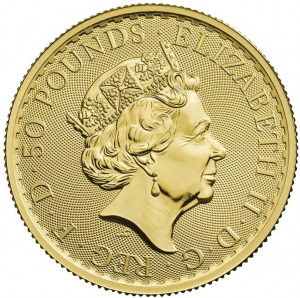
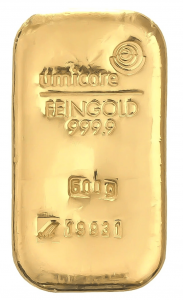



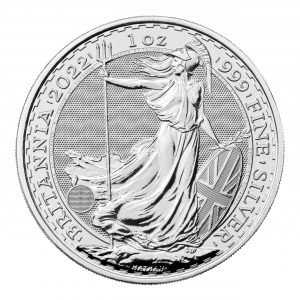
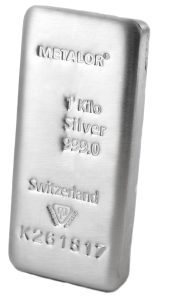
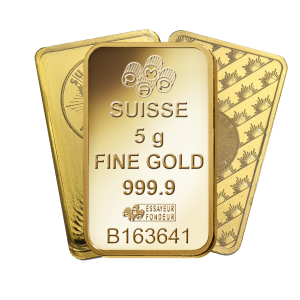
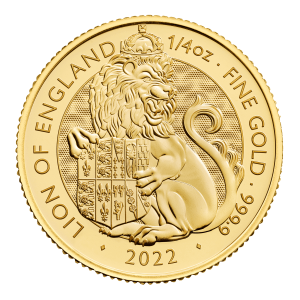
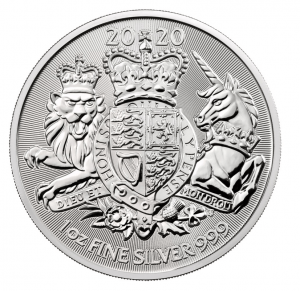


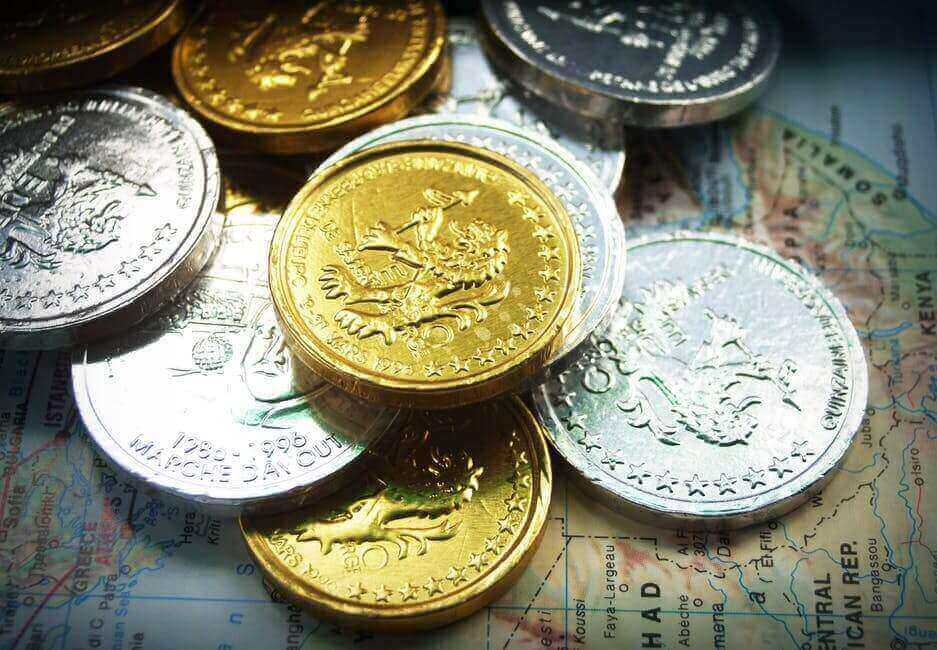
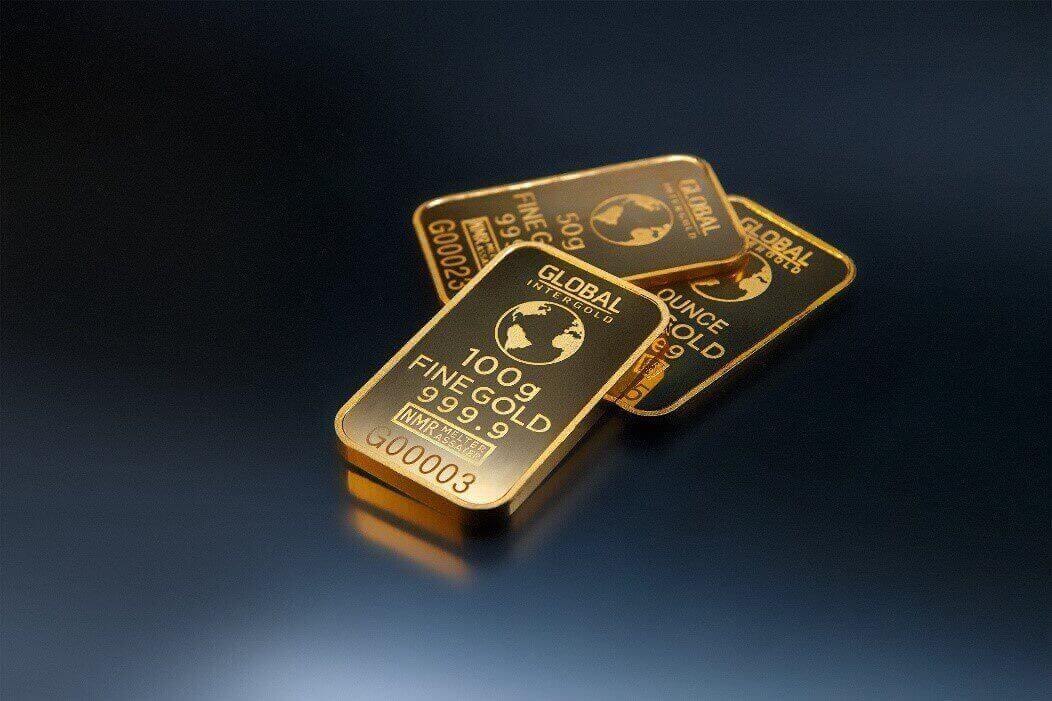
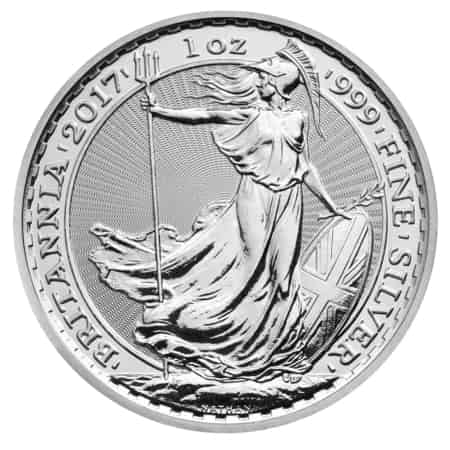
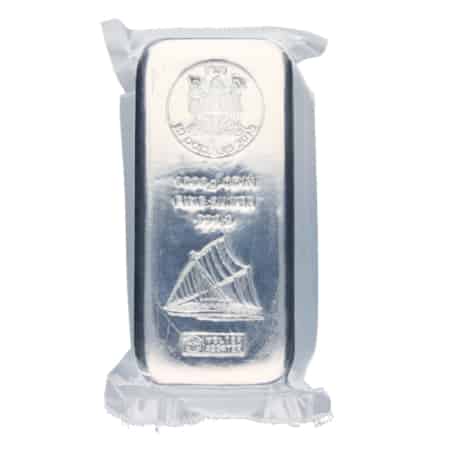
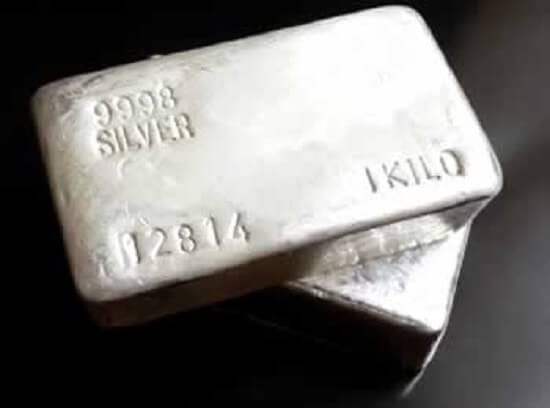
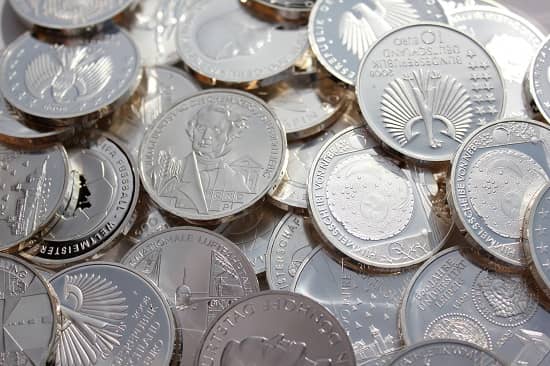
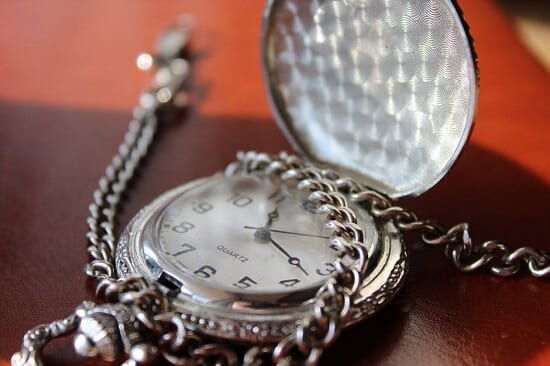

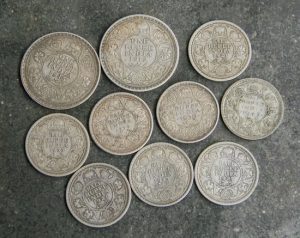
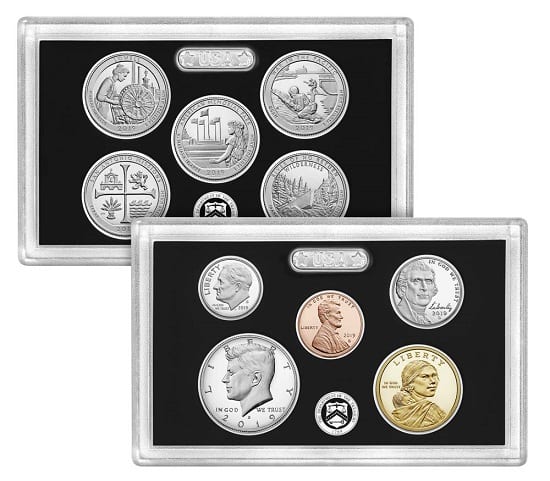


 Image credit: Brian Shamblen