






Silver Investment
All you need to know about the world of silver investing. Comparing silver coins and bars, benefits of silver investment and the supply/demand dynamic.
Investing in silver
Silver provides investors with an alternative way to gain exposure to physical precious metals and can be purchased at a considerably lower price per ounce than gold.
This lower price point can make silver accessible to investors looking to start with a smaller investment, while experienced precious-metals investors may use silver alongside gold to diversify their holdings.
Silver also has significant industrial demand, giving it different characteristics from gold. Investors can choose between physical silver coins and silver bars, depending on their objectives, budget and preference for flexibility or lower premiums.
You can also learn more about the approach of gradually building a physical silver holding in our guide to silver stacking.
History of silver
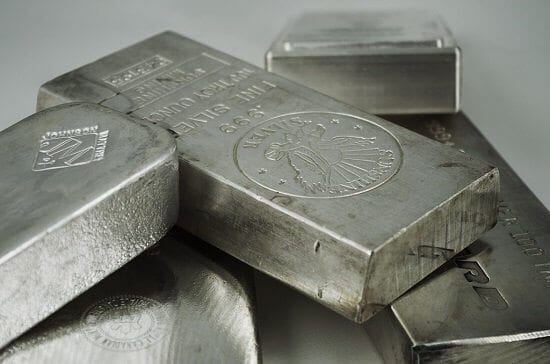
Silver has been valued for centuries and has historically been used both as a store of wealth and as currency. Today, it is primarily traded as a precious metal and industrial commodity.
Silver’s physical properties make it useful across a wide range of applications, including electronics, solar technology, vehicles and certain medical applications. This combination of investment and industrial demand is one of the characteristics that differentiates silver from gold.
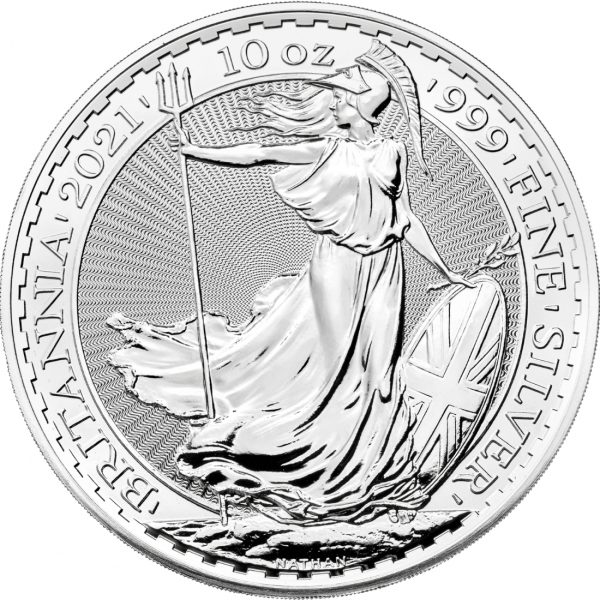
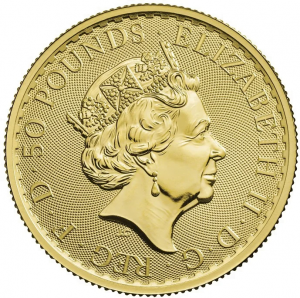
Silver Britannia Coins
View products
VAT-Free Silver
View products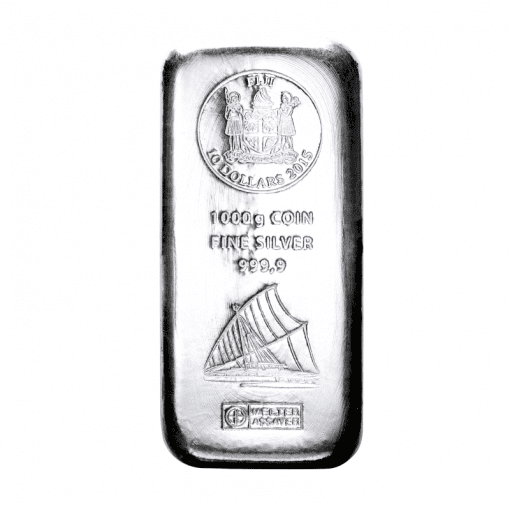
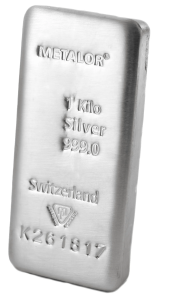
1kg Silver Bar
View products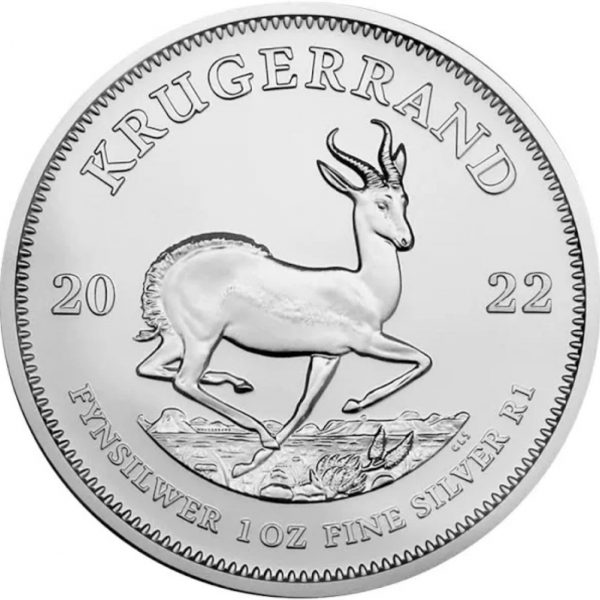
One Ounce Silver Coins
View productsSilver Supply and Demand
Like other commodities, the silver price is influenced by the relationship between supply and demand.
Silver demand comes from both investors and industrial users, while supply is derived from primary silver mines and silver produced as a by-product of mining other metals.
Industrial applications are an important component of global silver demand, particularly in areas such as electronics and solar technology. However, silver prices can rise or fall and future supply-and-demand conditions cannot be predicted with certainty.
Investors considering physical silver should therefore assess it as part of a wider investment strategy rather than assuming that increasing industrial use will necessarily lead to higher prices.
Tax on silver investments
The tax treatment of silver depends on the type of silver purchased and how it is held.
Silver purchased for delivery in the UK is generally subject to VAT at the standard rate of 20%. However, certain UK legal-tender silver coins, including qualifying Silver Britannias, can benefit from Capital Gains Tax exemption.
Other silver investments, including silver bars and many non-UK coins, can potentially be subject to CGT when sold at a gain. For the 2026/27 tax year, the individual Capital Gains Tax annual exempt amount is £3,000. Tax treatment depends on individual circumstances and tax rules can change.
Investors who do not require UK delivery can also explore Physical Gold’s VAT-free silver solution, where qualifying silver is purchased for and retained in bonded storage.
For more information, see our guide to the tax implications of gold and silver.
Learn about the 7 Crucial Considerations before investing in silver
An insider’s step-by-step insight into choosing the best silver investment
Why invest in silver instead of gold?
Silver and gold have different characteristics, and investors may choose to own one or both depending on their objectives.
Silver’s lower price per ounce can make it more accessible and can provide greater divisibility for investors building a physical precious-metals portfolio. It also has substantial industrial demand, whereas gold demand has a different mix of investment, jewellery and central-bank uses.
Silver can also be more volatile than gold, so a lower purchase price should not be confused with lower investment risk.
For a more detailed comparison, read our guide to gold versus silver.
Increasing global silver demand
Industrial demand is an important part of the global silver market.
Silver is used in a wide range of applications, including electronics, solar technology and vehicles. Changes in industrial demand, mine production, recycling, investment demand and wider economic conditions can therefore all influence the silver market.
This industrial role is one reason some investors choose to hold silver alongside gold. However, silver prices can be volatile and neither increasing industrial use nor constraints on supply guarantee future investment returns.
Investors interested in building a physical silver holding can explore silver coins, silver bars or our VAT-free silver solution for qualifying silver retained in bonded storage.
Your silver investing options
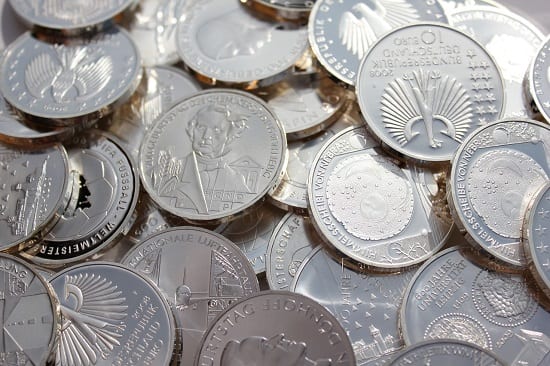
Physical silver can be purchased in a variety of forms, with coins and bars being the principal options for most investors.
Silver coins can provide flexibility and divisibility, while certain UK legal-tender coins can also benefit from CGT exemption. Silver bars will often appeal to investors seeking to acquire larger quantities of silver at lower premiums per unit of metal.
Investors who do not require UK delivery can also consider VAT-free silver held in bonded storage.
If you’re new to physical silver, our guide to how to buy silver explains some of the factors to consider before purchasing.
Buying silver coins
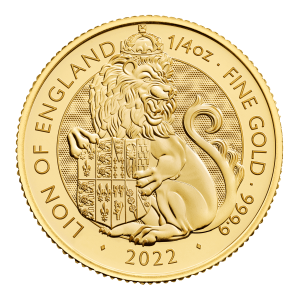
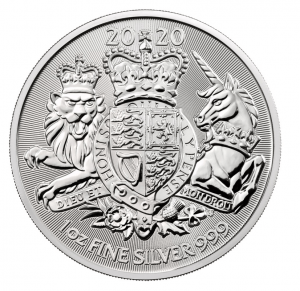
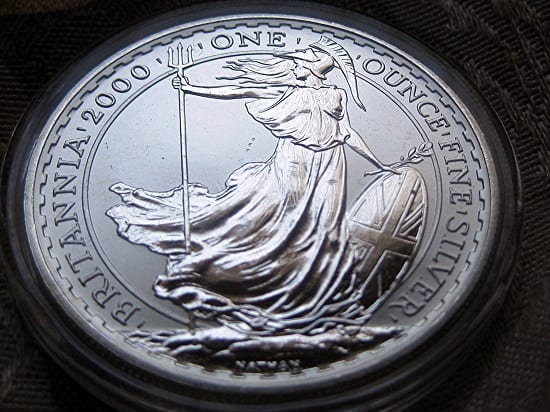
Silver coins are available in different sizes and designs from mints around the world.
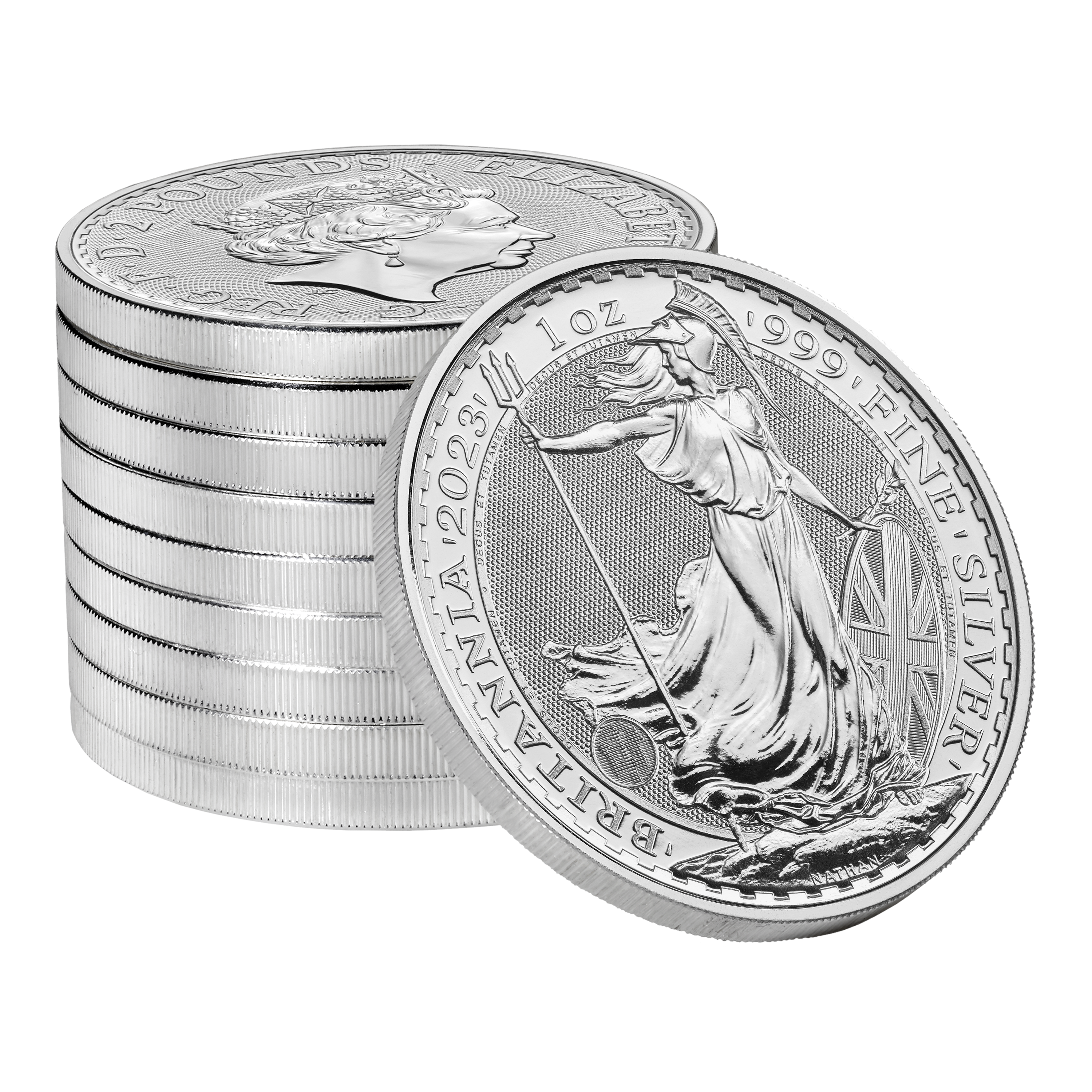
For UK investors, Silver Britannias are particularly popular. As UK legal-tender sterling currency, qualifying Britannia coins can benefit from CGT exemption, making them attractive to investors building larger physical silver holdings.
Other silver coins may appeal because of their design, mint, scarcity or collectable characteristics, although higher premiums do not guarantee higher future returns.
Holding silver in smaller coin denominations can also provide greater flexibility when selling part of a portfolio than holding the same quantity of silver in a small number of large bars.
Buying silver bars
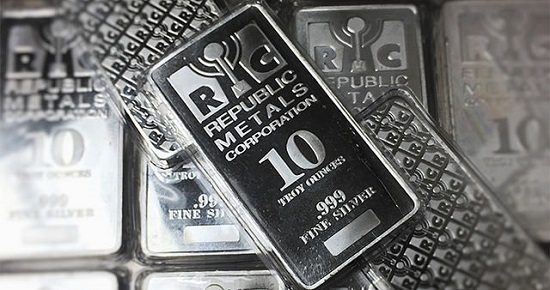
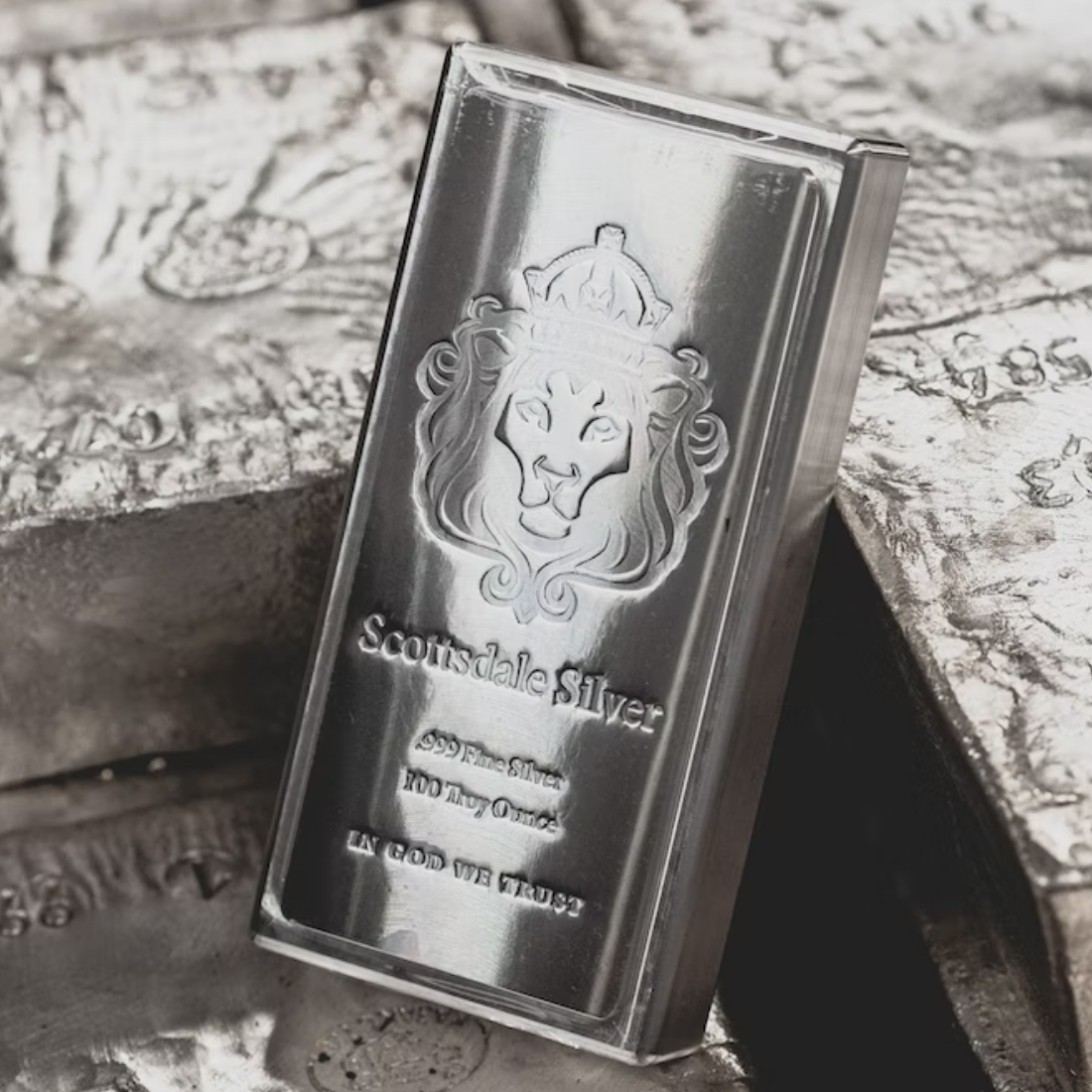
Silver bars can provide a cost-effective way to acquire larger quantities of physical silver.
Bars are available in a range of sizes, with larger bars generally offering lower premiums per unit of silver than purchasing the equivalent quantity through smaller individual products.
Unlike qualifying UK legal-tender silver coins, silver bars do not benefit from the same CGT exemption. For the 2026/27 tax year, individuals generally have a £3,000 annual exempt amount for Capital Gains Tax, although whether CGT is payable will depend on an investor’s overall gains and individual circumstances.
Silver purchased for UK delivery is also generally subject to VAT. Investors who do not require delivery can alternatively explore VAT-free silver bars held in bonded storage.