Tax Implications Of Gold And Silver For Investors
21/08/2026Daniel Fisher

Accumulate gold coins on a regular basis for home delivery or storage.
Let our experts hand-pick a gold investment portfolio for you.
Free & fully insured UK Delivery. Learn more

Secure & flexible payments. Learn more

Buyback Guarantee Learn more

A cost-effective way to buy silver bullion with off-shore storage
Let our experts hand-pick a silver investment portfolio for you.
Free & fully insured UK Delivery. Learn more
Secure & flexible payments. Learn more
Buyback Guarantee Learn more
Free & fully insured UK Delivery. Learn more
Secure & flexible payments. Learn more
Buyback Guarantee Learn more


Accumulate gold coins on a regular basis for home delivery or storage.
Let our experts hand-pick a gold investment portfolio for you.
A cost-effective way to buy silver bullion with off-shore storage
Let our experts hand-pick a silver investment portfolio for you.
Free & fully insured UK Delivery. Learn more
Secure & flexible payments. Learn more
Buyback Guarantee Learn more
Free & fully insured UK Delivery. Learn more
Secure & flexible payments. Learn more
Buyback Guarantee Learn more
As a UK investor, it is important to understand the potential tax implications of investing in precious metals. Gold and silver can be treated differently for Value Added Tax (VAT) and Capital Gains Tax (CGT) purposes, while the tax treatment can also vary depending on the type of coin or bar you own.
This comprehensive guide explores the key UK tax considerations when investing in silver and gold.
We cover VAT, Capital Gains Tax, Inheritance Tax (IHT) and the particular tax treatment of certain UK legal-tender coins.
Tax rules and individual circumstances can change, so investors should always check the current position and seek professional tax advice where appropriate.

Capital Gains Tax (CGT) is a tax that may be payable when you sell or otherwise dispose of an asset and make a gain. For an individual investor, this can include gains made from assets such as shares, property that is not your main home, and certain precious-metal investments.
CGT generally applies to the gain made when an asset is disposed of rather than simply because you own the asset. Gains and allowable losses across the tax year are taken into account when determining an individual’s overall taxable gains.
For the 2026/27 tax year, the annual exempt amount for individuals is £3,000. The main CGT rates for individuals are currently 18% and 24%, depending on the amount of taxable income and gains. Tax rates and allowances can change, so investors should check the current HMRC position when disposing of assets.
Selling gold or silver at a profit can potentially create a Capital Gains Tax liability. However, the treatment depends on the type of precious metal you own.
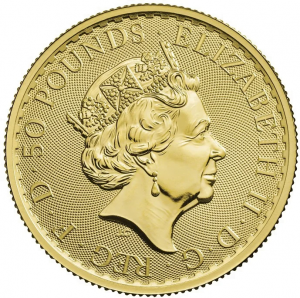
Certain UK legal-tender coins provide an important advantage for UK investors because sterling currency is exempt from CGT. This includes post-1837 Gold Sovereigns and Gold Britannias. Certain other UK legal-tender bullion coins can also benefit from CGT exemption.
HMRC specifically confirms that Sovereigns minted in 1837 and later and Britannia gold coins are sterling currency and therefore exempt from CGT.
Gold Sovereigns and Gold Britannias can therefore be particularly attractive to UK investors seeking to build a tax-efficient physical gold portfolio.
Gold held within an eligible pension arrangement may be subject to different tax rules. You can find out more about Pension Gold.
Tax treatment depends on individual circumstances. If you are unsure about your position, seek professional tax advice. Our team can suggest coins that qualify as CGT-free.
Silver bars and many non-UK silver coins can potentially be subject to CGT when sold at a gain. Whether CGT is payable will depend on the investor’s overall taxable gains and individual circumstances.
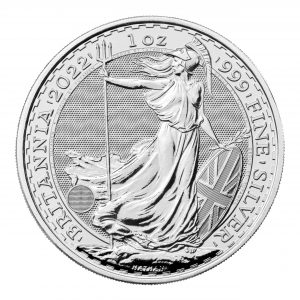
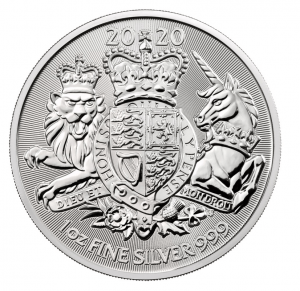
Certain UK legal-tender silver coins can benefit from CGT exemption. This includes Silver Britannia coins, making them particularly attractive to UK investors building larger silver holdings.
This CGT treatment should not be confused with VAT. Silver purchased for delivery in the UK is generally subject to VAT even where the coin may be exempt from CGT.
Selling gold bars or non-UK gold coins at a profit can potentially create a CGT liability if your overall taxable gains exceed the available annual exempt amount.
Certain UK legal-tender gold coins are treated differently. HMRC confirms that post-1837 Sovereigns and Britannia gold coins are sterling currency and are exempt from CGT.
The two best-known choices are Gold Britannias and Gold Sovereigns.
One of the world’s best-known gold coins, the humble Sovereign also benefits from CGT exemption.
At around a quarter of the size of the Britannia, the Sovereign offers a more affordable route to gold for modest investors or more divisibility for those seeking flexible portfolios.
The modern Sovereign has existed for more than 200 years, so it offers a huge variety for investors and collectors alike.
Best-value Sovereigns offer the cheapest option, while historical editions from the Victorian era are more scarce but expensive.
Their relative affordability makes Sovereigns and their smaller Half Sovereign version, an ideal choice for investors seeking to buy tax-free coins on a regular basis.
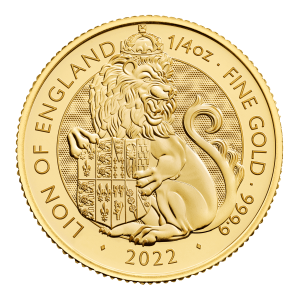
One of the most popular limited-issue Royal Mint series are the Queen's Beasts and Tudor Beasts range of coins.
These are primarily 1oz 24-carat coins, although quarter-ounce coins are also available. Limited to a series of 10, the coins’ stunning design is a major pull, but their limited issue quantity has also led to many of them increasing in value at a far quicker pace than other UK coins.
The most recent coin in the set will generally trade at modest premiums so timing purchases near to launch will achieve the lowest prices.
With the same £100 face value as Britannias, qualifying UK legal-tender coins may also benefit from CGT exemption.
These are the Royal Mint’s highest mass-produced face value coin and weigh 1oz in weight. Gold purity is 999.9 / 1,000 parts gold, and the most popular UK tax-free coin for larger investors due to its low premiums. Recent versions boast high-tech laser-produced security features, making it one of the most impressive bullion coins on the market.
Pre-owned Britannias are occasionally available and offer investors the chance to reduce premiums further. Britannias are also CGT-free due to their legal tender status if bought in their fractional versions (half, quarter and tenth) or the silver version.
Occasional design updates of the famous Britannia reverse design add a collector's interest to these coins also.
Value Added Tax (VAT) is added to most consumer goods and services in the UK. The current general rate of VAT is 20%, with some items being at a reduced or zero rate. This is added at the point of sale, and the consumer will bear the charge.
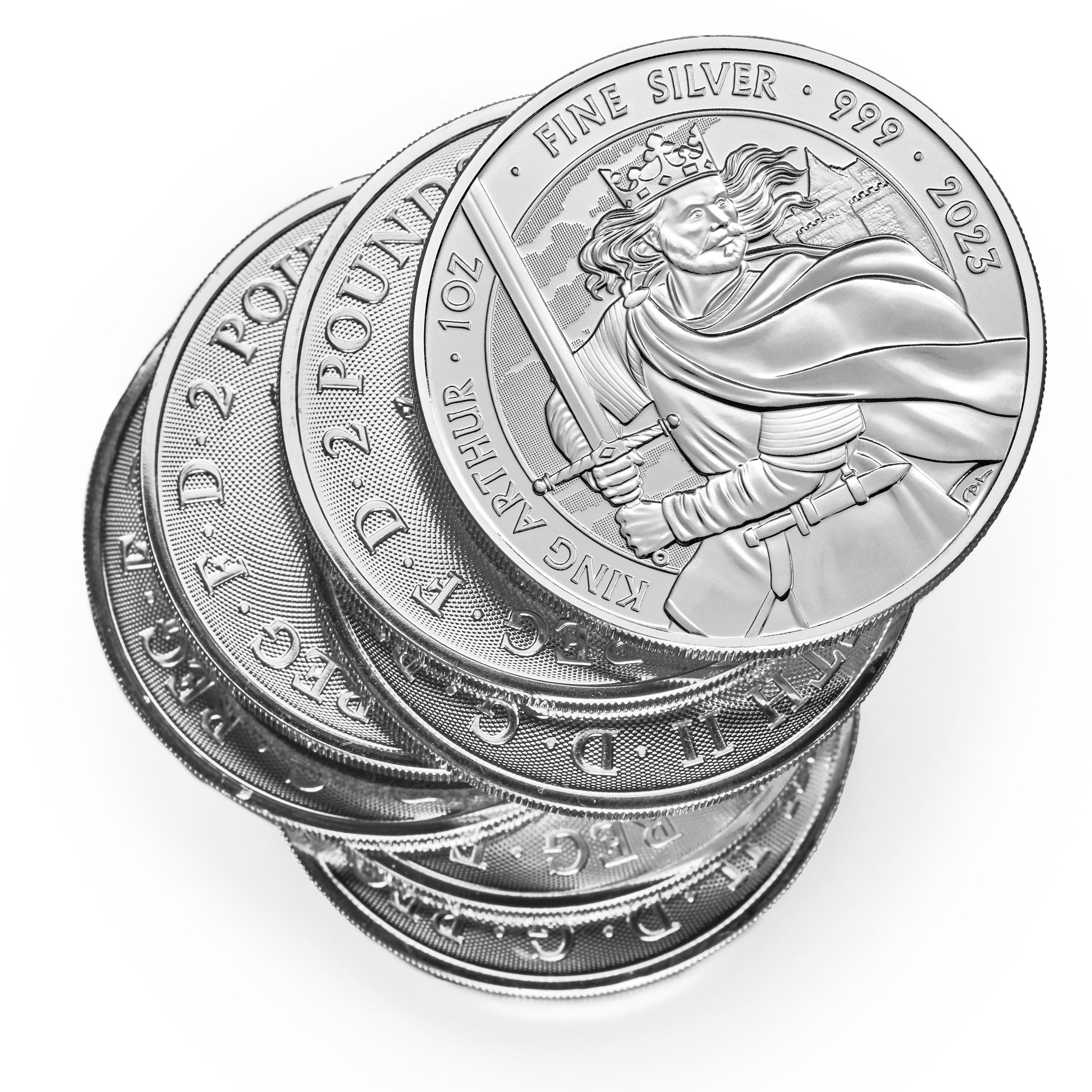
Silver purchased for delivery in the UK is generally subject to VAT at the standard rate of 20%, whether purchased as coins or bars.
This differs from qualifying investment gold, which is exempt from VAT. However, investors who do not require UK delivery may also have the option of purchasing qualifying silver for storage in a bonded warehouse.
Physical Gold offers a VAT-free silver option for investors who do not require delivery of their silver in the UK.
Qualifying silver can be purchased and retained in bonded storage in Zurich, rather than being imported and delivered to the investor in the UK.
We offer both VAT-free silver bars and silver coins through this arrangement. You can find out more about VAT-free silver.
This option may appeal to investors seeking exposure to physical silver who are comfortable keeping their investment in specialist storage rather than taking possession in the UK.
We offer a range of bullion coins from 1oz Britannias and 2oz Queen’s Beasts coins to the most popular foreign silver coins. If you’re buying a large number of silver coins (such as silver Britannias) or looking to build a substantial holding over time, then don’t forget that qualifying UK legal-tender silver coins can also benefit from CGT exemption.
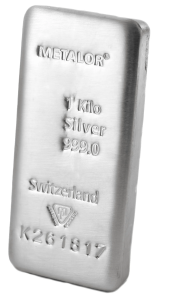
We are able to deliver pure silver bars to UK addresses. You can benefit from the lower premiums of the larger silver bars and buy silver bars delivered directly to your door.
Investors who do not require UK delivery can explore our VAT-free silver range, including silver coins and bars held in bonded storage in Zurich.
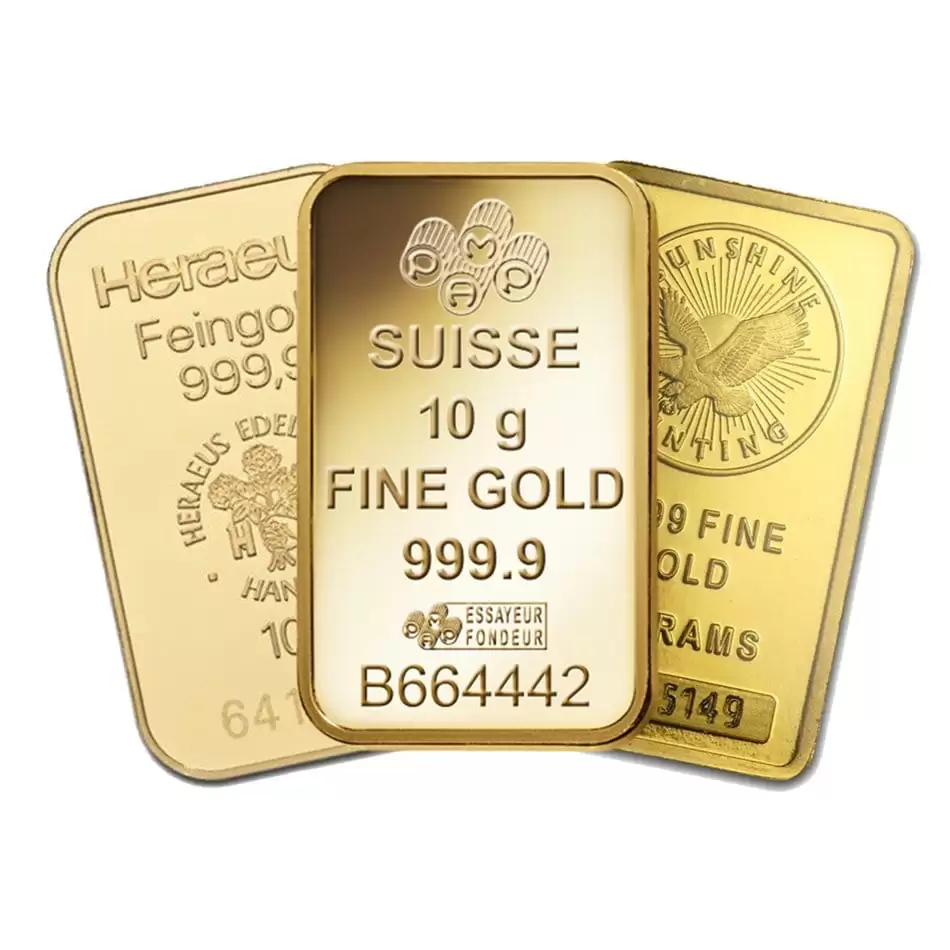
Qualifying investment gold is exempt from VAT in the UK.
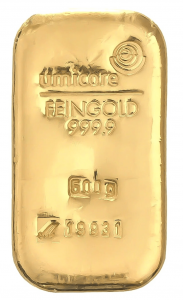
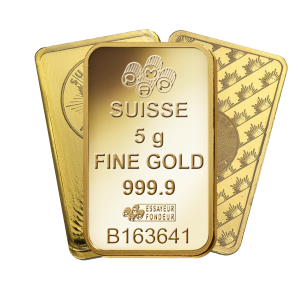
For gold bars and wafers, HMRC’s definition of investment gold includes gold with a purity of at least 995 thousandths, in a weight accepted by the bullion markets.
Gold coins can also qualify for VAT exemption. Broadly, qualifying investment gold coins must have been minted after 1800, have a purity of at least 900 thousandths, be or have been legal tender in their country of origin, and normally sell for no more than 180% of the open-market value of the gold they contain. HMRC also publishes a list of qualifying investment gold coins.
Other gold products, such as jewellery, do not automatically benefit from the investment-gold VAT exemption.
Inheritance Tax (IHT) is a tax that may be charged on a person’s estate when they die. An estate can include property, money, investments and possessions, including precious metals.
The tax treatment of an estate depends on its value, the beneficiaries, gifts made during the individual’s lifetime and any available exemptions or reliefs.
For the 2026/27 tax year, the standard nil-rate band is £325,000 and the standard IHT rate is 40%. A residence nil-rate band of up to £175,000 may also be available where the relevant conditions are satisfied. Different exemptions and reliefs can apply depending on individual circumstances.
Because inheritance-tax planning can be complex, professional advice should be sought rather than relying on the tax treatment of a particular investment.
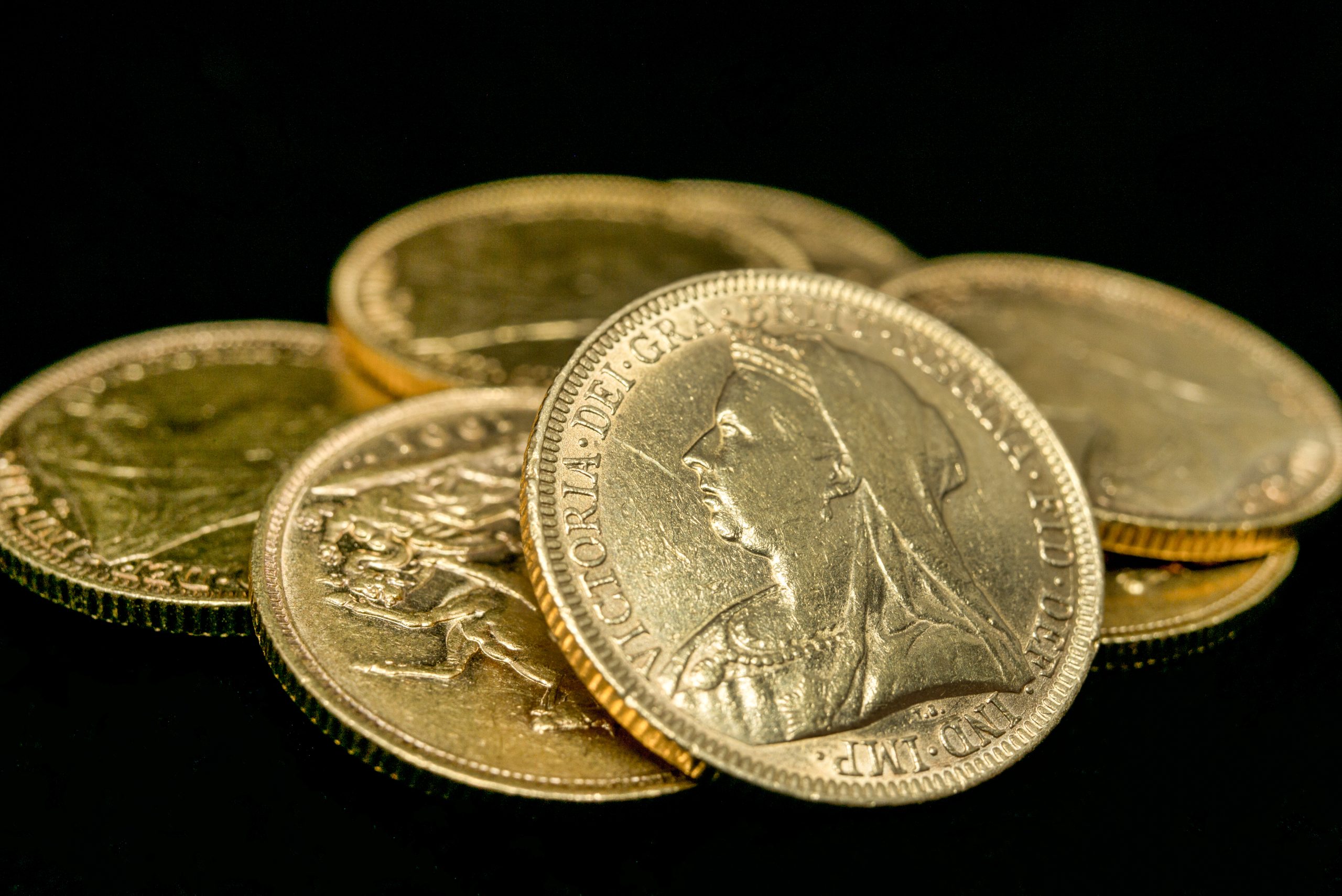
Gold and silver are not generally exempt from Inheritance Tax simply because they are precious metals.
The value of gold or silver owned by an individual may therefore need to be taken into account when determining the value of their estate for IHT purposes.
This is separate from the CGT treatment of qualifying UK legal-tender coins and the VAT exemption available for qualifying investment gold.
If you opt for a gold bar (such as 100g, 1oz or 1 kilo), the purity needs to be at least 995 thousandths. The good news is that a majority of gold bars on the market exceed this, at 999 thousandths gold, with the rest generally meeting the minimum requirement.
For gold coins, the purity target is lowered to 900 thousandths, meaning that any coin of 22 carats or higher will qualify. There are a few extra guidelines for coins – they must be minted after 1800, have been legal tender in their country of origin and not usually sell at more than 180% of the market value of their gold content. Essentially, these additional rules exclude very old, obscure numismatic coins.
If all this sounds complicated, don’t worry. Our investment gold range includes qualifying gold coins and bars that benefit from the investment-gold VAT exemption.
If you want your gold investment to be completely tax-efficient, then buying UK gold coins also benefits from being Capital Gains Tax-free. They already meet the VAT-exempt criteria but are also tax-free upon sale due to their legal tender status. With each Sovereign, Britannia, special edition UK coins and variants of these, each coin possesses an actual face value. Certain UK legal-tender gold coins, including post-1837 Sovereigns and Britannias, also benefit from CGT exemption, providing an additional tax advantage for UK investors.
Use our automated portfolio builder to get suggestions based on various investment objectives, including tax efficiency.
Gold and silver can be treated differently for UK tax purposes, making it important to understand both the type of precious metal being purchased and how it will be held.
Qualifying investment gold is exempt from VAT, while certain UK legal-tender coins, including Sovereigns and Britannias, can also benefit from CGT exemption. Silver purchased for UK delivery is generally subject to VAT, although investors who do not require delivery can explore VAT-free silver held in bonded storage.
Tax rules and allowances can change and individual circumstances differ. Investors should therefore check the latest HMRC guidance and seek professional tax advice where appropriate.
Silver purchased for delivery in the UK is currently generally subject to VAT at the standard rate. Whether the Government changes the tax treatment of silver in future is a matter of tax policy and cannot be predicted. Investors who do not require UK delivery can explore our VAT-free silver options for bonded storage.
Certain British legal-tender gold coins, including post-1837 Sovereigns and Britannias, are exempt from CGT. Other gold investments, including gold bars and many non-UK coins, can potentially be subject to CGT when sold at a gain. Whether tax is payable depends on the investor’s overall gains and individual circumstances.
Qualifying investment gold is exempt from VAT under UK legislation. For bars and wafers, and for gold coins, specific criteria determine whether the investment-gold exemption applies. The exemption does not automatically apply to every product containing gold.

Share this post on:


Latest Posts:
Live Gold Spot Price in Sterling. Gold is one of the densest of all metals. It is a good conductor of heat and electricity. It is also soft and the most malleable and ductile of the elements; an ounce (31.1 grams; gold is weighed in troy ounces) can be beaten out to 187 square feet (about 17 square metres) in extremely thin sheets called gold leaf.
Live Silver Spot Price in Sterling. Silver (Ag), chemical element, a white lustrous metal valued for its decorative beauty and electrical conductivity. Silver is located in Group 11 (Ib) and Period 5 of the periodic table, between copper (Period 4) and gold (Period 6), and its physical and chemical properties are intermediate between those two metals.