




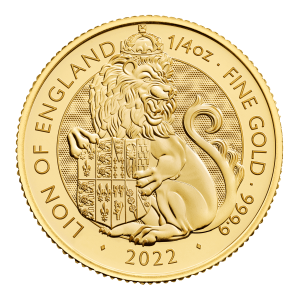
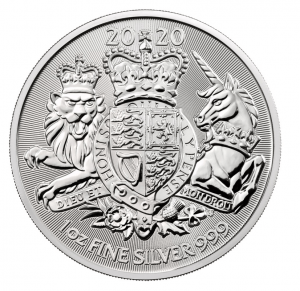


If you’re new to investing in gold and silver, then a typical concern is ensuring the gold or silver you buy is authentic and of a high grade. The motivation for most gold investors is to reduce their overall risk, so the last thing they want is to risk buying bogus coins or bars. Certainly, for the novice, the safest bet is to buy from a reputable dealer.
Research is crucial to ensure the credibility and integrity of the dealer (and as such, the metals they provide). At Physical Gold we operate a very tight process to ensure sub-standard or counterfeit metals don’t enter our system.
Gold and silver sourcing and numismatic checks
We source our metals direct from manufacturers or mints, or from authorised dealers, ensuring their provenance is known. Gold or silver purchased from the public is tested and verified by our numismatic team and rejected if it doesn’t meet our strict standards.
 Accreditations / track record
We are proud members of the British Numismatic Association (BNTA), which means we adhere to a strict code of ethics and guidelines on all our metals. Membership requires prior vetting and approval by existing members, to verify a dealer’s integrity. Regular stolen and fake goods alerts are circulated within the BNTA so that we’re aware of any forgeries on the market. Look out for the BNTA logo to ensure your dealer is accredited and has signed up to such code of ethics. We’re also members of the British Numismatic Society, an organisation made up of coin professionals, established as far back as 1903.
Certificate of authenticity
We can provide a Certificate of Authenticity upon request with a purchase you make through us, guaranteeing its authenticity and that your purchase has been checked and meets our standards.
Want to know how your finances would fare in a market downturn? Take the test to find out
Buyback guarantee
We are proud to offer all our customers a guarantee to buy back all gold or silver bought from us, regardless of time lapsed. This demonstrates the confidence we have in our own checks and processes.
So if you’re considering purchasing silver or gold, but are unsure how to judge its authenticity, then worry no more. That’s our job as the experts, to provide you with protection and assurance.
Investors have always turned to precious metals like gold and silver when building their investment portfolios, which is why we have created this “How to Buy Gold and Silver” guide. Gold has always remained a popular asset class for many investors, due to its reliability as a store of wealth. Gold has performed well over the last 20 years and the spot price of gold has risen steadily, providing great returns in the short term.
Additionally, the yellow metal has provided an avenue for investors to hedge their risks during times of economic turmoil. Last year, we witnessed the price of gold reaching its highest ever peak due to the economic crisis across the world, triggered by the global pandemic. Silver has also risen steadily over the years, due to high industrial demand. Many investors invest in silver with the expectation that the white metal will generate higher returns in the future.
Deciding your objectives
When deciding how to buy gold and silver, it’s important to understand that both gold and silver are available as bars and coins. The choice of precious metal depends on your investment horizon and objectives.
Investors who are looking for steady returns in both the short and long term are better off investing in gold. Silver, on the other hand, has a volatile market that is suited for speculative investments. The price of silver is quite low when compared to gold. Therefore, it provides an easy entry for investors into the precious metals market and allows them to book their purchases at current price points in the hope of making quick profits in future.

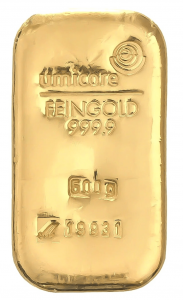
Always look for the refiner stamp on gold bars
The divisibility factor
Divisibility is an essential factor when it comes to investing in precious metals. The logic behind this is quite simple. Assuming that the price point is right, and it meets your objectives, you will want to make a sale.
Owning a large bar of gold (such as 1KG) and silver (1KG) will provide you that one chance and the sale is over. However, owning several gold and silver coins of different dimensions give you multiple opportunities to cash in at different price points in the market.
A question of balance
Divisibility and liquidity are, of course, important aspects of your portfolio. But we need to think ahead. Spreading your investments between gold and silver can provide much-needed balance to your portfolio. The current gold-silver ratio is 72:1, which simply means that silver is 72 times cheaper than gold. Therefore, you can buy large amounts of silver and wait for the price to rise in the future, providing your portfolio with balance and meeting your long-term investment objectives.
Ensuring the safety of your investments
You must be certain that the gold and silver products you are investing in are authentic, high-quality and carry the right price tag. Always buy your precious metals from a reputed online gold dealer. This is the only way that you can be sure about the authenticity and quality of your purchases. Moreover, an online gold dealer will normally ensure that your precious metals are sent to you through an insured delivery service.
Most reputed gold dealers will also provide you with an option for storage. If you select this option, your gold and silver purchases will be stored in a secure, LBMA approved vault. All of these are great reasons why you should buy your gold and silver from a reputed online dealer. Going down this route will also ensure that there is no risk of theft or robbery.
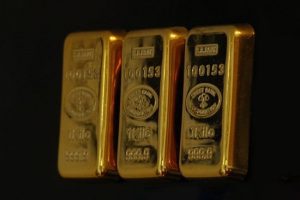
These one-kilo gold bars clearly display the purity number
Connecting with a reliable broker
Any investor who is serious about buying gold and silver needs to get connected with a reliable broker. But who is a reliable broker and how can you find one An online broker usually has a far greater variety of bars and coins for sale. But it’s important to ascertain that the business is legitimate and has a transparent and reliable track record.
You can check if the broker is registered with an industry body like the BNTA or LBMA. Also, find out if they offer a guaranteed buyback scheme and check their reputation online. Once you have identified the broker of your choice, the next obvious step would be to discuss your investment objectives with them and draw up a plan.

Gold and silver coins are popular investments in precious metals
Gold and silver can be sourced through online precious metals dealers, at auction or from areas specialising in precious metals. Hatton Garden in London features dozens of shops that sell gold and silver bars and coins. However, the choice of coins may be limited. The Jewellery Quarter in Birmingham offers similar services.
Know your gold and silver products
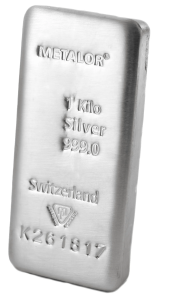
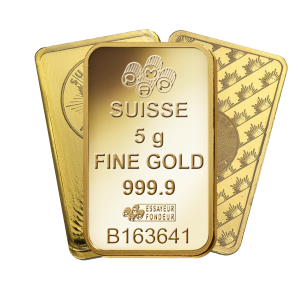
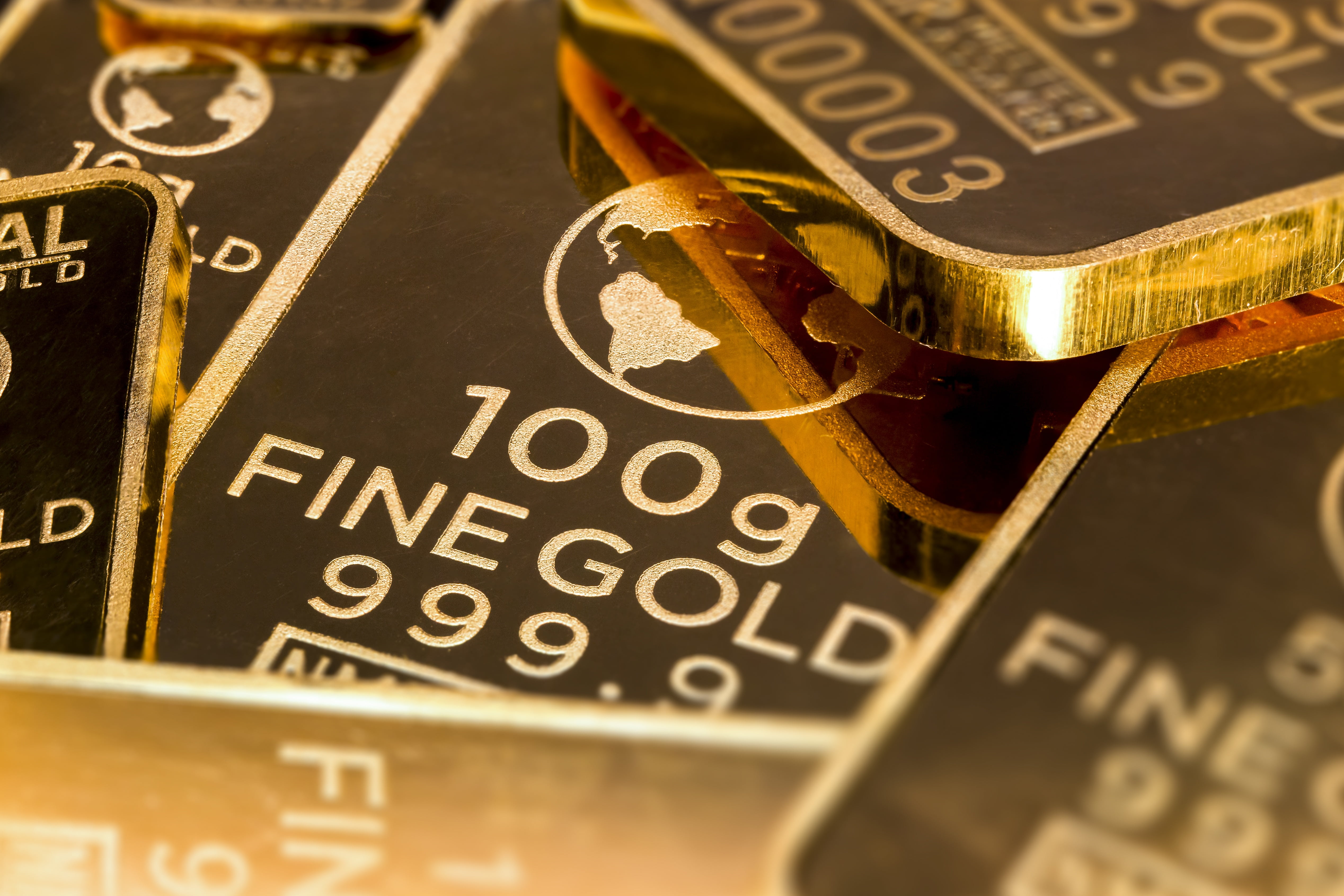
There are a few steps you can take to ensure that the gold and silver products you buy are genuine. Gold bars that contain investment-grade gold will always have a refinery stamp engraved on the face of the bar. It will also carry a number that denotes its purity. So, if the bar contains 24-carat gold with 99.9% purity, the bar will typically have a purity number of 999.9 on its face.
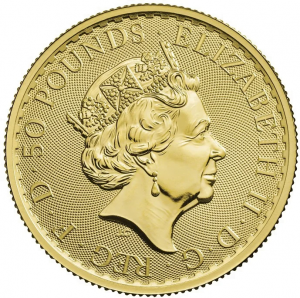
The refiner stamp will also denote the weight of the bar. Similarly, silver bars will also carry this information. When buying gold or silver coins, like the gold Sovereign or the silver Britannia, always ensure that you buy these from a reputed online dealer, who is registered and listed on the website of the British Numismatic Trade Association (BNTA).
How to buy gold and silver in the UK
Turning to gold and silver has been a tried and tested vehicle for investors in the precious metals category. While gold has remained a popular and preferred asset class for most investors, silver has steadily risen in popularity in recent years. Most investors prefer to hold these precious metals in their physical form. So, let’s explore how to buy gold and silver UK-wide.
Once you’ve decided to put your money in the market, it’s important not to get swayed by irrelevant offers. You should always evaluate your purchases by calculating how they can contribute to the balance, liquidity, and divisibility of your portfolio.
Don’t ignore tax considerations, as this will ultimately impact your profits. Remember, if you’re seeking to buy gold and silver as an investment, then it’s best to stick to well-known UK silver and gold coins (such as Britannias). These have the advantage of being Capital Gains Tax free, but also offer flexibility to sell small parts of your holding.
Ensure you get good discounts from your broker and keep buying gold and silver coins and bars with low premiums. If you’re investing in a coin, make sure that it has a strong secondary market. The Britannia (such as Silver Britannias) and the Sovereign could be your top choices. If you are interested in buying numismatic coins, avoid buying obscure ones and ensure that there is scope to make profits in the long run.
Discuss your gold and silver investments with our experts
Physical Gold, one of the U.K.’s most reputed online gold dealers have an investment advisory team, who can assist you with learning how to buy gold and silver in the UK. Call us on (020) 7060 9992 or drop us an email by visiting our website.
Image credits: Hippopx and mlproject
Silver or gold?
One of the keys to great investment is timing and staying ahead of the pack. I receive many enquiries from keen investors asking about the prospects for silver. Everyone has seen how well gold has performed over the years and many commentators feel that silver has huge upside potential.
I always describe gold as ‘reducing the risk in your life’, while silver is about ‘taking risk’. Obviously with higher risk, comes higher potential reward. Nearly half our customers buy silver, compared to a minority of around 10% a decade ago. These customers feel silver has vast profit potential, so are willing to take the additional risk.
As a purely speculative punt, buying silver may be worth a bet but only as part of a well balanced portfolio. You’d certainly need nerves of steel to put significant funds into silver. However, dig a little deeper and silver may not live up to being the new gold investment at all.
Here are 7 reasons why buying physical gold is still the best precious metals investment;
- There is much less research and analysis available on the silver market as it’s less developed as an investment market. The more research available, the better chance you have of assessing an asset’s prospect
- If you buy gold there is no VAT to pay on the purchase. However, silver is not VAT exempt so you’re 20% down before you’ve even started
- The gold market has evolved into a highly competitive and efficient arena. So the bid/offer spread (or difference where a dealer will buy and sell a piece of gold) is relatively tight (perhaps 5-10%). However, with less competition silver spreads can be 3 or 4 times those of gold, so silver needs to rise significantly in price before you break even
- Silver is less ’precious’ than gold as there’s more of it in existence! The lack of supply and difficulty in extracting gold provides a huge support to its price. If you have an asset who’s supply could increase significantly, the price of that asset is always exposed to a sharp fall
- Due to silver’s lower price per kilo you will literally get more product for your money than with gold. This means that a £50k gold investment can be shipped cheaply and discreetly whereas the equivalent in silver would be heavy and expensive to deliver
- Storing silver is also more problematic to gold due to its cheapness. £50k of gold can fit into a tiny safe at home. But £50k of silver needs 70-80 times more space (that’s alot of silver coins!)
- With the global economy at its most unstable in history, and the expectation of inflation and a huge post-Covid recession – the Safe Haven tag of gold provides one of the most compelling reasons to buy gold. Silver quite simply is not known as the ultimate safe haven so is less relevant as a portfolio insurance in today’s climate.
So if you want exposure to the silver market it may be better seeking a more efficient method such as mining shares or ETCs. If you still seek the comfort of owning the physical metal itself, then buy gold coins or bullion.
Different types of carat
Gold has always been one of the most attractive asset classes pursued by investors. Throughout history, gold has been viewed as a great store of value and has delivered good returns for investors over the short and long term. Gold is today sold in a regulated market, based on a dynamically changing spot price, which is applicable across the world. Yet, when we buy gold and look at the spot price, this applies to pure gold, which is considered to be 99.9% pure or 24-carat gold. However, it is useful to understand the different types of carats that are available in the marketplace.
Origin of the term “carat”
It is believed that the term ‘carat’ dates back to mediaeval times. The use of carob seeds was associated with the system of weighing things thousands of years ago. It is not known whether these seeds were used to measure the gold and other precious metals at the time. A weight of 200 mg was derived as the specific weight of a carat.

Traditional gold weighing measures used in India
However, there is historical evidence of its use during the Greek and Roman periods. There are a total of 24 carats that make up pure gold. Numismatic research about the coinage used by the Romans has proved that these subdivisions were associated with the Roman Libra. Historians believe that the Libra was used to measure gold at the time and that it was equal to 24 silver coins, which the Romans called a ‘siliqua’. It is possible that the number 24 has been handed down from these ancient times.
During the 19th century, the German ‘Mark’ had a weight of 24 carats, equivalent to 4.8g.
How many carats are there in pure gold?
There is a total of 24 carats that make up pure gold. Each is of equal value and so is 1/24th pure gold by weight. Investment-grade gold is either 22 carat (most common amongst Sovereigns and other popular bullion coins) or 24 carats (now used for some 1oz bullion coins like the Britannia and most gold bars). Even 24-carat gold isn’t completely pure but instead will be somewhere in the region of 99.9% gold.
Pure gold is therefore represented by the number 24 in carats. Each is of equal value and so is 1/24th pure gold by weight. So, 18-carat gold is 18 parts pure gold, with the balance of six parts constituting other alloys and base metals. In reality, it is difficult to measure the actual purity of gold, using scientific methods. One way that has been used in modern times is the use of XRF (X-ray fluorescence). This scientific development analyses the purity of metals, based on the light reflected off them. However, only a surface evaluation is possible. Consequently, the industry still relies on reputed and reliable dealers for the supply of pure gold.
Investment-grade gold
Investment-grade gold is either 22 carat (most common amongst Sovereigns and other popular bullion coins) or 24 carats (now used for some 1oz bullion coins like the Britannia and most gold bars). Even 24-carat gold isn’t completely pure but instead will be somewhere in the region of 99.9% gold. Jewellery can commonly be made of lower carat gold such as 9 carats and 18 carats which are more resilient than higher purities, cheaper and more suited to clasping precious stones.
Increased resilience with lower purity levels
Jewellery can commonly be made of lower carat gold such as 9 carats and 18 carats which are more resilient than higher purities, cheaper and more suited to clasping precious stones.

18-carat gold face mask
So, we can see that pure gold is often blended into an alloy with different base metals to make the gold harder. Pure gold is malleable and difficult to shape into jewellery. This is probably how alchemists started creating gold with varying degrees of purity over centuries.
A similar concept was used when minting coinage, as the metal needed to be resilient for public circulation. The higher the carat of gold, the greater is its purity. However, as we can see, this creates a practical problem when the metal is moulded into coins, bars, or jewellery.
Why is 24-carat gold the purest?
Refiners must declare the purity number of gold, in addition to its carat value. 24-carat gold is simply considered to be the purest since it has a negligible percentage of other metals. In the UK, this is considered to be investment-grade gold with a purity of 999.9. The metal is distinctive due to its bright yellow colour and buyers will pay the highest price for this purity of gold. But, its density is also lower and due to its softness. 24-carat gold is unsuitable for manufacturing jewellery. Its use is most prevalent in manufacturing gold bars. When minting coins, a tiny amount of base metals is introduced in the mix to make the coins durable. Pure gold is in great demand for industrial uses, like the manufacture of electronics and medical devices.

An Indian Ganesha idol plated with 24-carat gold in parts
22-carat gold
Normally 22-carat gold will have a purity of 91.67%. This leaves 8.33% of other metals, which can be silver, zinc, copper, nickel, or other base metals. Jewellery manufacturers may not use it for making jewellery that holds precious stones. This is because 22-carat gold is still too soft to hold the stones in place.
18-carat gold
The percentage of gold is much lower in this form. 18-carat gold will usually have 75% pure gold mixed with 25% of base metals. It’s a lot less expensive than buying 22 or 24-carat gold. This is the preferred purity of gold used by jewellers, as it can withstand daily wear and tear. It has a warm yellow shine, which is great for manufacturing wedding bands and other ornamental jewellery.
14-carat gold
This is a number that represents gold which is only 58.3% pure. The balance 41.7% in this form gold, comprises other metals like nickel or zinc. This form of gold is durable and sturdy and preferred by many to make jewellery. It is also more affordable and ideal for people with skin metal allergies.
10-carat gold
It is the cheapest form of gold and has a pale tone due to the presence of base metals. Usually 10-carat gold will have at least 41.7% of gold. Since it has a gold level of 10 parts out of 24, it is called 10 carats. While it is more affordable, it also tarnishes easily.
It is widely used in the jewellery industry due to its affordability. When you purchase jewellery, the carat value will be clearly demarcated. Interestingly, US laws state that jewellery made from gold below 10 carats cannot be labelled as gold.
Get in touch with our gold experts to find out more about gold investments
Physical Gold is a highly reputed gold dealer in the UK and we are always open to fielding queries from customers like you. Please call us on (020) 7060 9992 or drop us an email and we’ll be in touch.
Image Credits: Pxhere and SandeepHanda
Gold is an interesting metal. It is a metal as well as an element. It also comes in different forms. There are many types of gold that are distinguishable by their colour and properties. Gold is visible in different forms like gold coins, bars and jewellery. Within these, gold can be differentiated by its purity or carat value. Let us explore the different types of gold and how we can identify them.
The most common distinctions
The most common distinction between gold types is their carat or purity. This can be difficult to simply detect with the naked eye. 24-carat gold is virtually 100% pure, while 9-carat purity is as low as 37.5% purity. In its purest state, the gold will be relatively soft, while it tends to feel harder to the touch when mixed with more alloys. The colour can also vary, with pure gold displaying a distinct yellow-orange.
When mixed more with silver, the white gold effect is present, while red gold contains a higher amount of copper. Assay marks on the gold will display the purity but not all gold will be hallmarked. Other than that, it’s best to take it to a jeweller to safely perform a test and determine if it’s real in the first place!
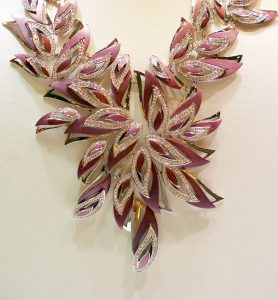
A purple gold necklace
The concept of carat value comes from 24 parts of gold. So, if the gold is 18 parts pure gold it is considered to be 18 carats. Similarly, if it is 22 parts pure, it is known as 22-carat gold. But, this is only one way to differentiate one type of gold from another. Gold is often available in a variety of colours and this can be another way of distinguishing its types.
The colours of gold
Different colours can be achieved by introducing other precious metals or base metals into the gold mix. Blue gold is a popular type of gold that is created by adding indium or gallium. These are rare metals that create a bluish hue to the gold when added. Another colour of gold is green. Green gold is also known as Electrum and can be manufactured through the introduction of silver and copper. Colours of gold like blue and green are often used by jewellers, due to their aesthetic appeal.

Wedding rings made of white gold
Purple and rose gold
Gold is also available in the colour purple and this is done by introducing 79% pure gold and 21% aluminium. Purple gold is also a type of 18-carat gold, also known as amethyst gold. However, purple gold is more brittle than other gold alloys and is unsuitable for the electronics industry. It can, however, be used to decorate gold jewellery.
Rose gold gets its colour from being mixed with copper. There are different types of rose gold. 18-carat red gold is created by mixing 75% gold with 25% copper. But, another type of 18 carats rose gold contains 75% gold with 22.25% copper and 2.75% silver. Also, included in the 18-carat category is pink gold. Pink gold contains 75% gold with 20% copper, while the amount of silver in the mix is increased to 5%. The last category, which is also the cheapest is 12-carat red gold, where the gold is only 50% and the rest is copper.
White and yellow gold
White gold has gained popularity over the years and the hardness of the mix is achieved by introducing Palladium, which is another precious metal. However, in some cases, silver may also be added along with Palladium and nickel. A popular formulation of white gold contains 90% gold with 10% nickel. Many jewellers also plate the white gold with a coating of rhodium, which gives its steely look and shine. The industry typically uses Palladium and nickel as bleaching agents to change the colour of gold to white.
Yellow gold is a derivative of the normal colour of gold. 18-carat yellow gold is created with 75% gold, 12.5% copper and 12.5% silver. However, it darker shade of yellow can be achieved by increasing the percentage of copper. Here, the proportions change to 75% gold, 15% copper and 10% silver.
Call our experts to know everything about the types of gold
Physical Gold is one of the U.K.’s most reputed gold dealers. Our team of experts can help you decide which type of gold to buy and advise you on the best way to make gold investments. Call us today on (020) 7060 9992, alternatively, drop us an email by visiting our website.
Image Credits: Farrukh and hiephoang
Gold is a much sought after metal with very interesting properties. We often think of gold as being primarily attractive to investors and collectors of gold coins. Gold jewellery is extremely popular across the world, especially in Asia. However, the largest demand for gold comes from the industry.
While a variety of industries use gold for their manufacturing operations, gold has certain properties that make it very attractive to the electronics industry in particular. Gold is one of the most conductive metals on the planet. It is also highly malleable, which means that it can be sheathed onto surfaces. Gold is also very ductile and a small amount of gold can be stretched into wires that run into metres. Therefore the electronics industry has a large appetite for gold.
Why is gold used in the electronics industry?
With a conductivity score of 70%, gold is a popular choice for use in electronics. Most commonly, gold is used as an electroplated coating on contacts and connectors. It shines as the superior choice due to its high conductivity, corrosive resistance, and resilience (especially when mixed with nickel). Copper and silver are both cheaper and more conductive than gold, so tend to be used in a far wider array of electronic applications. Encasing electronics in gold is increasing in popularity to appeal to the luxury market such as the Gold Apple watch.

An electroplating factory in China
A deeper look at the use of gold in the electronics industry tells us that gold is a far superior conductor of electricity when compared to copper, silver and aluminium. This simply means that gold offers minimal resistance to the electricity flowing to and fro. However, its properties like ductility and malleability create a tipping point for its use in the electronics industry. Due to these properties, gold is very user friendly and easy to work with. It is easy and convenient to introduce the yellow metal into miniature electronic circuits, which are often found in mobile phones, gaming devices and other electronic accessories. Gold is also resistant to tarnishing, a property that ensures longer life of the devices and circuit boards in which the metal is used.
Electronics processes, where gold is used
Perhaps one of the largest users of gold in the electronics industry is in plating connectors and contacts. Semiconductor packages also use gold bonding wires, while a wide array of other processes also use gold. These include hybrid circuits, printed circuit boards and their coatings and soldering, contact points for electronic components and metal layers on semiconductors, which can be frequently used as conductor tracks and contacts points.
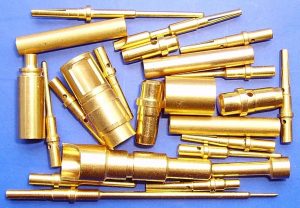
Gold plated electronic connectors
Due to its corrosion resistance properties and high electrical conductivity, gold has become the metal of choice for use in connectors and contacts. It is most preferred for low voltage, low current and contact force applications. Gold is often electroplated onto nickel and if the device or circuitry needs to function in hostile environments, the thickness of the gold is often increased. This may be true for its use in the electronic car industry, where the e-vehicles need to be driven throughout the year across a range of seasons.
Wire bonding
Wire bonding is another area of use in the electronics industry, where the demand for gold had already doubled in six years from 1994 to 2000. In the last 20 years, the demand for gold for these processes has skyrocketed. Wire bonding is usually found in many electronic devices, for example – computer motherboards and their components.
Our experts are available to answer your questions about gold
Physical Gold is one of the country’s most reputed and successful precious metal dealers. Please call us on (020) 7060 9992, or get in touch with us online with all your queries about gold and its investment opportunities.
Image Credits: Chris and Wikimedia Commons

Gold has fascinated humans throughout history and the yellow metal has always been preferred by institutions, investors and governments as a great repository of value. Today, gold is bought and sold in a regulated marketplace, and the spot price of gold has been standardised and can rise or fall depending on economic and political factors.
At the practical level, gold has certain special properties like malleability, conductivity and ductility that make it invaluable for use in industry, especially the manufacture of electronics. However, at the economic level, gold delivers steady returns for investors over both the short term and the long term. Gold is also seen as a ‘safe haven’ for investors and individuals and institutions who moved their money to gold, did so during periods of economic uncertainty. Gold is a scarce metal that is mined out of the ground.

The historical site of the Roman gold mines in West Wales
History of gold mining
It is uncertain exactly when human beings started mining gold, but archaeological evidence tells us that it could possibly have been around 4,200 to 4,700 BC. Historians agree that the world’s oldest known gold mine has been found on an archaeological site in southern Georgia. It is now thought that gold mining was popular at the time of the Roman Empire.
The Romans frequently used methods such as hushing and ground sluicing to extract gold from mines that contained loose alluvial deposits. These hydraulic mining methods were later used across Europe. Many Roman gold mines have been unearthed today and one has even been found in the UK, in West Wales. Gold was mined in different regions, which formed parts of the Roman Empire. These were spread across the Balkans, Armenia, Egypt and Nubia.
At the same time, gold was also being mined in other parts of the world. The Kolar gold fields in Karnataka, India has been active since the second century A.D. Later, during the 19th century, there were many gold rushes in different parts of the world. Some of the most famous ones that we would have heard of are the California Gold Rush of 1849 and the Klondike Gold Rush. Statisticians estimate that all the gold that has been mined throughout human civilisation could be close to 6,109 million ounces.

Placer gold mining in Alaska
Different types of gold mining
Today, due to the advent of technology, mining, metals have become more sophisticated. Gold mining is a large commercial operation undertaken by mining companies who fund their operations through the sale of gold as well, as money raised from the stock markets. Investors often invest in gold mining companies, as a form of paper gold investment. Let us take a quick look at the four main types of gold mining methods.
There are four main types of gold mining, varying according to the country of production and their method of extraction – placer mining, hard rock mining, by-product mining and processing of gold ore. Gold which has accumulated as a placer deposit (naturally separated from rock through gravity) is extracted through placer mining which uses water as the loose material is unsuitable for tunnelling. This is the type recognised by many as typical gold prospecting, where manual panning can be used, although not commercially.
The most recognised gold mining is hard rock retrieval which uses tunnels underground and machinery in open pits to extract gold. The larger scale enables far greater quantities to be mined.
Of course, mining for other minerals can sometimes provide the added bonus of accumulating gold in small quantities. Typically, mining for copper and gravel can end up discovering deposits of gold as a by-product. Due to the scale of the operations, some mines subsequently find large quantities of gold this way.
Gold ore describes rock and earth with fine traces of gold which are extracted through the addition of chemicals. The use of chemicals (namely cyanide), is expensive for the small yield of gold achieved, so this method is shrinking in popularity.
Dredging
One of the old mining methods which have now been replaced is dredging. This operation is carried out through the use of suction dredges. There are small floating machines on the water operated by the miners, which consists of a sluice box attached to a suction hose that pulls out the gold.
Ask Physical Gold about all your queries related to gold
Physical Gold is one of the most reputed gold dealers in the UK and the members of our team are always available to answer your queries regarding precious metals. Please call us today on (020) 7060 9992 or get in touch with us online via our website.
Image Credits: Glen Bowman and Wikimedia Commons

Gold investments are often seen as a lucrative investment option by investors. Gold has always been an excellent store of value and the yellow metal has posted healthy returns in short term as well as long-term investment horizons. Gold provides investors with incredible opportunities to beat inflation and hedge their risks in adverse market conditions. As one of the most popular precious metal options for investors, we need to understand how profits can be generated when investing in gold. In this article, we will explore the various options that investors can choose to book healthy profits on their gold investments.
How can you make money from your gold investments?
Two elements will help you buy gold and make money. The first is timing. Only buy gold for the medium to long term as markets can go down as well as up in the short term. Buying when the price is low provides more profit potential than when it’s risen for the past 6 months. Secondly, buy the right type of gold. Appointing a reputable gold broker will help you obtain the best prices and be guided to buy the right type of coins. Buying UK Sovereigns is great value and any money you make is tax-free.
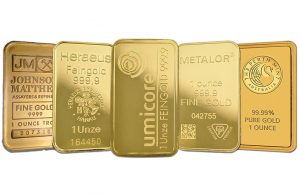
It is best to invest in leading brands like Metalor, for gold bars
Most investors will channelise their investments into gold bars and coins. Gold investments cannot provide you with a dividend payment like other asset classes. So, to make money it is important to set your investment goals and book profits by selling gold when your objective has been met. A reputed UK gold broker can help you to achieve these objectives by understanding your philosophy towards investment and contacting you when the right buying or selling opportunities are available.
Always invest in easily available bullion coins
If you want to obtain the best possible buying price for your gold coins, you should invest in bullion coins. These coins have low premiums and do not carry higher prices due to easy availability. Buying bullion coins like the sovereign or the gold Britannia is an excellent step towards ensuring the liquidity of your gold portfolio. Obscure coins may carry a certain level of rarity value, but they are extremely difficult to sell. Also, by investing in obscure coins, you are reducing your buyer market. So, when you are investing in gold, the best solution is to go to a reputed gold dealer and discuss your investment objectives with the company. When investing in coins, this is likely to get you a wider choice of great bullion coins that are available in the market.
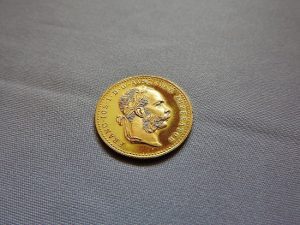
Rare and obscure gold coins like this Gold Ducat are not good for investors
Liquidity, variety and value
The three most important things that you can focus on when building your gold portfolio are liquidity, variety and value. Liquidity implies that the gold investments that you make must have a strong secondary market. Well-known coins like the Gold Sovereign or the gold Britannia can generate instant sales, allowing you to make money. Likewise, if you are investing in gold bars, well-known brands like Metalor can also ensure a quick sale.
Download the Insider’s Guide to tax free gold investment here
You can make profits by investing in a variety of coins of different dimensions and denominations. In this way, you can take advantage of different price points in the market, at the time of sale, to maximise your profits.
Capital Gains Tax
Another important consideration for you, as an investor is to focus on Capital Gains Tax (CGT). Taxes can eat into your profits and it’s best to invest in popular UK gold coins that are considered to be legal tender. In this way, you can gain the double advantage of avoiding VAT and CGT.
Get in touch with Physical Gold to discuss your gold investments
Physical Gold is a highly reputed gold dealer in the UK and our investment advisors offer free advice to all customers. Call us today on (020) 7060 9992 or get in touch with us online to discuss the right way to invest in gold.
Image credits: Wikimedia Commons, Snappygoat.com

Buying investment-grade gold can often mean conducting a lot of research and finding out the best options for your gold portfolio. If you purchase gold with an unplanned approach, wrong results are inevitable and the overall value of your portfolio may shrink. Many investors opt for gold coins, but it is important to know which gold coins to purchase. Buying obscure gold coins will hamper the liquidity of your portfolio, as obscure gold coins are harder to sell. There are certain fundamental elements that one needs to consider when planning a gold portfolio.
Buying gold from the high street
Several investors decide to buy their gold from high-street jewellers and shops. This is usually not a good idea, as it can be fraught with risk. It is difficult to ascertain the authenticity of the gold you buy from the high-street. Ensuring the percentage of pure gold in the bars and coins you purchase is an intricate process that requires certain measuring tools. In many cases, high-street vendors will not perform this task in front of you, and many do not provide a certificate of authenticity. There is also the risk of security when you buy your gold from a high-street shop and leave.

UK high street stores may not have a great inventory of gold products
Buying gold from an auction
E-commerce sites like eBay offer gold auctions as well. However, it is unsafe to purchase gold from an unknown seller on eBay. You have no way of knowing whether the products are genuine or not. Also, in general, it is not a good idea to purchase items of large value from auction sites or even pawnbrokers on the high street.
Buying paper gold
There are several options to buy gold as an investment. If you’re seeking to actively trade the gold market, then spread betting is one option. Buying a Gold ETF provides online access and economic spreads to buy and sell regularly. If stock markets are attractive, then the Blackrock Gold fund is popular, or if you’re prepared for higher risk, investing in gold mining stocks is an option. For those motivated by safety and protection, buying physical gold coins and bars is the best investment choice. This is primarily because most paper gold instruments carry counterparty risks. However, these risks are mitigated when you hold the precious metal in its physical form.

Gold bullion coins are an excellent investment option
Identifying a reliable gold dealer
The best way to buy gold for investment is to identify a reputed and reliable gold dealer near you. Most online gold dealers can provide you with a greater choice of products like bars and coins when compared to their high-street counterparts. A good online dealer will also answer all your questions regarding the purchase and offer you free advice before you close the deal. Typically, they also provide a buyback scheme and the products come with a certificate of authenticity. Once you have bought your gold, most reputed online dealers will dispatch your purchases to you via an insured courier service. The package will arrive unmarked, so there is no way of outsiders knowing that the contents of the package are valuable.
It is relatively easy to identify an online gold dealer. Dealers who have been in business for years are listed and registered with the British Numismatic Trade Association (BNTA). Once you identify a reliable online dealer, it’s important to establish a good relationship with the company. Discussing your investment objectives with your dealer can go a long way in ensuring that you acquire the right gold bars and coins for your investment portfolio.
Talk to our investment advisors at Physical Gold
Physical Gold is one of the country’s most reputed and reliable gold dealers. . Our investment advisors can guide you on the best purchases to make when building a strong gold portfolio. Call us on (020) 7060 9992 or get in touch with us online to reach out to our investment team.
Image Credits: Wikimedia Commons and Public Domain Pictures

Investing in gold isn’t just about buying a few gold bars or picking up some gold coins at an auction. A serious investor who wants to build a robust gold portfolio should have an investment plan. Lack of planning is likely to result in wrong investments and you will end up getting stuck with gold bars and coins that have no liquidity and add no value to your portfolio. A good investor will first study the subject and understand the fundamentals before investing a penny.
Understanding the types of gold to buy may not be enough. One needs to find out where to buy them from. Many gold investors who have built lucrative portfolios have years of experience trading in the precious metals market and have the right connections to source their gold. Let us take a quick look at the fundamentals of gold investing that every beginner should know.
Planning your objectives
It is always important to first understand why you want to buy gold. You need to decide the right investment horizon for you. If you want to make short-term investments, the choice of gold products may be different. Investors who want to build wealth and acquire gold at the cheapest price per gram would often choose to buy gold bars. Gold bars have lower production costs than coins and offer investors the opportunity to acquire gold at a cheaper price. The time horizon is important – gold investments can be volatile over the short-term but generate steady and healthy returns over the longer term.

Investing in gold coins can have great tax advantages
Gold investing follows the common rules of buying the investment at a low price and selling at a higher price. There is no interest received for holding gold, so profits are only made on capital appreciation. The gold price tends to rise when the economy takes a downturn and other investments fall in value. In that way, it offers protection to an investor who owns many assets. The gold price can move down as well as up, so it is advised to hold the gold over the medium to long term.

Never invest in obscure gold coins as they may have little or no liquidity
Identifying a reliable gold broker
Once you have your objectives in place, the next step is to identify a reputed and reliable gold broker. This is relatively easy to do. Most reputed brokers are registered with the British Numismatic Trade Association (BNTA). A quick visit to the association’s website can help you shortlist the best brokers near you. It is important to initially approach more than one broker and try to build a relationship.
Once you do this, you will be able to share your objectives with your broker and he/she would know what kind of gold you are after. So, when it comes to the market, you can be the first to know. A good broker will always be willing to answer your questions and will also issue a certificate of authenticity for all the products. They would also have a buyback scheme. You should always check online reviews of the broker and find out how long the company has been in business.
Tax planning
It’s also important to do your tax planning at the time of planning your investments. All investment-grade gold is VAT free in the UK, however, if you want to capture the benefits of Capital Gains Tax exemption, you can invest in gold coins that have a face value and are legal tender in the UK.
Our experts at Physical Gold can guide you on your investments
If you are a beginner investor who wants to start building a gold portfolio, speak to one of our advisors. Physical Gold is one of the most reputed gold dealers in the UK. You can reach us on (020) 7060 9992 or send us an email to get in touch.
Image credits: QuoteInspector.com and Wikimedia Commons
