Gold Sovereign FAQs: 23 Common Questions Answered
27/10/2026Daniel Fisher

Accumulate gold coins on a regular basis for home delivery or storage.
Let our experts hand-pick a gold investment portfolio for you.
Free & fully insured UK Delivery. Learn more

Secure & flexible payments. Learn more

Buyback Guarantee Learn more

A cost-effective way to buy silver bullion with off-shore storage
Let our experts hand-pick a silver investment portfolio for you.
Free & fully insured UK Delivery. Learn more
Secure & flexible payments. Learn more
Buyback Guarantee Learn more
Free & fully insured UK Delivery. Learn more
Secure & flexible payments. Learn more
Buyback Guarantee Learn more


Accumulate gold coins on a regular basis for home delivery or storage.
Let our experts hand-pick a gold investment portfolio for you.
A cost-effective way to buy silver bullion with off-shore storage
Let our experts hand-pick a silver investment portfolio for you.
Free & fully insured UK Delivery. Learn more
Secure & flexible payments. Learn more
Buyback Guarantee Learn more
Free & fully insured UK Delivery. Learn more
Secure & flexible payments. Learn more
Buyback Guarantee Learn more
Gold Sovereigns are among Britain’s most recognisable gold coins, with a history stretching back centuries. Whether you’re considering buying Sovereigns for investment, have inherited a collection or simply want to know what an individual coin is worth, there are several important factors to understand.
At Physical Gold, we’re regularly asked about Sovereign values, gold content, rare dates, cleaning, tax advantages and the best ways to buy or sell these coins.
We’ve brought together 23 common questions, with practical answers to help you make informed decisions.
Quick answer:
A standard modern Full Gold Sovereign weighs approximately 7.98g and contains 7.32g of pure gold. It is struck in 22-carat gold, has a £1 face value and is widely traded by bullion dealers. Sovereigns minted from 1837 onwards generally benefit from Capital Gains Tax exemption for UK individuals because they are sterling legal tender.

From Queen Victoria to King Charles III, Gold Sovereigns have remained an important part of Britain's coinage history and are popular with collectors and gold investors.
A Gold Sovereign is a British gold coin with a nominal face value of £1. The original Sovereign was introduced in 1489 under Henry VII, while the modern Sovereign was first issued in 1817 during the reign of George III.
Modern Full Sovereigns are struck in 22-carat gold and contain approximately 7.32g of pure gold.
Many feature Benedetto Pistrucci’s famous St George and the Dragon design, although alternative reverse designs have appeared on commemorative and special issues.
Today, Sovereigns are popular with both bullion investors and coin collectors because of their gold content, history, recognition and potential tax advantages.
For more background, read our guide to what Gold Sovereign coins are.
A standard Full Gold Sovereign weighs approximately 7.98g, of which around 7.32g is pure gold.
The remaining weight consists of alloy metals, traditionally including copper, which improve the coin’s durability.
A Half Sovereign weighs approximately 3.99g and contains around 3.66g of pure gold.
When comparing Sovereigns with other investment coins, always distinguish between the coin’s total weight and its actual fine gold content.
Modern Gold Sovereigns are struck in 22-carat gold, equivalent to a purity of approximately 91.67%.
The other 8.33% consists of alloy metals that make the coin more resistant to everyday wear than pure 24-carat gold.
This does not make Sovereigns inferior investments. Their price is based primarily on the amount of pure gold they contain, together with any bullion or collectible premium.
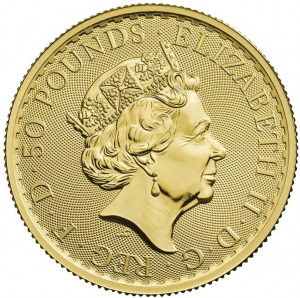
For comparison, modern Gold Britannias are struck in 24-carat, 999.9 fine gold.
Sovereigns are produced in several denominations, allowing investors to choose different purchase sizes.
Smaller Sovereigns have a lower individual purchase price and offer greater flexibility when selling modest amounts of gold.
However, they generally carry higher percentage premiums than Full Sovereigns.
For many investors, the Full Sovereign offers a useful balance between affordability, premium and selling flexibility.
For a more detailed breakdown of coin dimensions, weights and denominations, see our guide to Gold Sovereign sizes, including how the different sizes compare.
Yes. Modern Gold Sovereigns are British legal-tender coins with a nominal face value of £1.
Although Sovereigns have a nominal face value of £1, their gold content makes them considerably more valuable as bullion, so spending one as ordinary currency would make little financial sense. For a fuller explanation of their legal status and what it means for investors, read our guide to whether Gold Sovereigns are legal tender.
Legal tender status also does not mean shops are legally required to accept Sovereigns as payment for everyday purchases.
For UK investors, their legal-tender status is particularly relevant to Capital Gains Tax treatment.
The melt value is the intrinsic value of the pure gold contained in the coin, calculated using the prevailing gold price.
For a Full Sovereign, this is based on approximately 7.32g of fine gold.
However, melt value and resale value are not necessarily the same.
Recognised Sovereigns are widely traded as complete coins and may be worth more than their raw gold content, particularly when they have collectible appeal.
Melting a Sovereign would also destroy its identity as a recognised coin and could eliminate any numismatic premium.
Physical Gold insider tip: If you’re selling Sovereigns, obtain a bullion dealer’s quotation before accepting an offer based solely on scrap gold value.
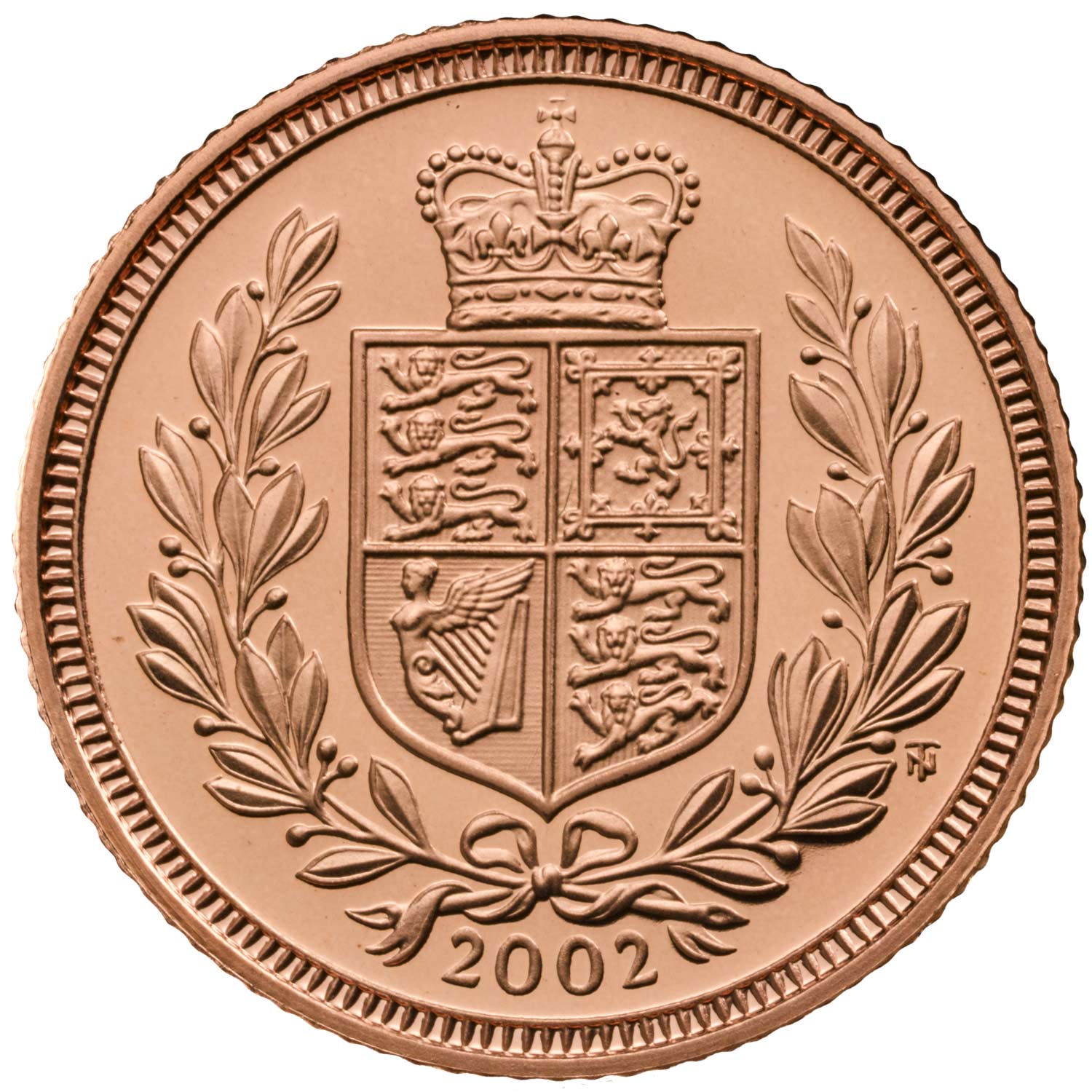
The value of a Gold Sovereign depends primarily on the current gold price and the amount of pure gold it contains.
A standard Full Sovereign contains approximately 0.2354 troy ounces of pure gold.
To estimate its intrinsic gold value, multiply the live gold price per troy ounce by 0.2354.
For example, if gold were trading at £3,000 per troy ounce:
£3,000 × 0.2354 = approximately £706
This is an illustrative calculation, not a current valuation or guaranteed selling price.
A dealer’s buying price will likely be at a slight discount to that value, reflecting market conditions, premiums and spreads.
Certain Sovereigns may command additional collectible value because of their rarity, condition, mint mark or historical significance.
Read our detailed guide to how much Gold Sovereign coins are worth.
A Sovereign ring usually has two components of value: the Gold Sovereign coin and the gold or other precious metal used in the ring setting.
The Sovereign’s underlying gold value is determined by its fine gold content and the current gold price.
The setting should be assessed separately according to its metal, purity and weight.
Other factors can affect the overall price, including:
An older Sovereign is not automatically worth more than a newer one. Rarity, condition and collector demand matter more than age alone.
If you have a Sovereign ring, it is worth obtaining a valuation that considers both the coin and the setting rather than treating the entire item as scrap gold.

The value of a Gold Sovereign ring depends on both the Sovereign coin and its setting. Gold content, condition, rarity and jewellery craftsmanship can all influence the final valuation.
Some Sovereigns command substantial premiums because of their rarity, historical importance, condition or limited availability.
Factors that can influence collectible value include the year of issue, monarch, mint mark, mintage figures, design variations and the number of surviving examples.
One particularly famous rarity is the Edward VIII Sovereign. Edward VIII abdicated in 1936, before regular Sovereigns bearing his portrait entered circulation. Only a very small number of trial pieces were produced.
However, most older Sovereigns are not exceptionally rare.
For investors focused primarily on gold content, common bullion Sovereigns may provide better value than expensive collectible issues.
Read our guide to which Gold Sovereign coin is the most valuable.
The term discarded Sovereign can refer to a coin rejected during mint quality control or subsequently identified as unsuitable for circulation or sale.
In a collecting context, the term may also appear in discussions of historic minting practices.
It does not automatically mean that the coin is worthless, counterfeit or particularly rare.
If a Sovereign is described as discarded, damaged or otherwise unusual, its authenticity and condition should be assessed before assigning any collectible premium.
For ordinary bullion investment, the most important considerations remain genuine gold content, condition and the price being charged.
Get free insider tips to ensure you achieve the best investment returns
Gold Sovereigns can be attractive to UK investors seeking physical gold ownership, tax efficiency and the flexibility to sell smaller quantities.
Their main advantages include established international recognition, a relatively accessible purchase size and the Capital Gains Tax treatment of qualifying UK legal-tender issues.
However, Sovereigns are not risk-free. Their market value moves with the gold price, and premiums and dealer spreads affect investment returns.
They also generate no interest or dividends.
For investors whose primary objective is bullion ownership, buying Sovereigns at competitive premiums is generally more important than selecting a particular year or monarch.
Explore our Gold Sovereign coins for sale.
Both old and new Sovereigns can make suitable investments.
New Sovereigns appeal to buyers who prefer the latest Royal Mint issue, a pristine appearance or a particular design.
Pre-owned Sovereigns can often be purchased at lower premiums, especially when the dealer selects the year and monarch according to available stock.
Historical Sovereigns may carry additional collectible premiums, although these are not guaranteed to increase over time.
For investors seeking the maximum amount of gold for their budget, Best Value Gold Sovereigns are often an attractive option.
Read our comparison of new and old Gold Sovereigns or browse our Best Value Gold Sovereigns.
The best Sovereign depends on your objectives.
If you primarily want exposure to the gold price, a standard bullion Sovereign with a low premium is usually a sensible choice.
If you’re collecting coins, you may prefer a particular monarch, year, mint mark or design.
If you’re buying as a gift, the presentation and significance of the date may be more important.
For investors seeking value, we generally favour avoiding unnecessary premiums for specific dates or collectible finishes unless there is a clear reason to pay more.
Our guide to which Gold Sovereign investors should buy explores these choices.
Proof Sovereigns are specially struck coins produced with a higher-quality finish, often supplied in presentation packaging with certificates.
They can appeal to collectors and buyers seeking a particular commemorative issue.
However, proof Sovereigns frequently cost substantially more than standard bullion versions containing the same amount of gold.
For investors focused primarily on gold price exposure, these additional premiums can make it harder to achieve a positive return.
Proof coins may still have collectible value, but future demand is uncertain.
A proof finish does not, by itself, determine whether a Sovereign qualifies for VAT or CGT advantages.
Both Sovereigns and Britannias are popular UK investment coins, but they serve slightly different purposes.
A Full Sovereign contains approximately 7.32g of pure gold, while a standard 1oz Gold Britannia contains 31.1035g.
Britannias will often offer a lower premium per gram of gold because they are larger.
Sovereigns provide greater divisibility, allowing investors to sell smaller quantities of gold without disposing of an entire ounce.
Both are widely recognised, and qualifying modern UK legal-tender issues benefit from favourable Capital Gains Tax treatment for UK individuals.
For a more detailed breakdown of purchase premiums, gold content, tax advantages and resale flexibility, read our comprehensive Gold Britannia vs Gold Sovereign comparison.
For many investors, holding a combination of the two can provide a useful balance between premiums and flexibility.

Gold Sovereigns offer smaller denominations and greater selling flexibility, while 1oz Gold Britannias typically have lower premiums per gram. Both offer Capital Gains Tax advantages for UK investors.
Gold Sovereigns and South African Krugerrands are both internationally recognised 22-carat gold bullion coins.
However, they differ in size and UK tax treatment.
A standard Full Sovereign contains around 7.32g of pure gold, whereas a 1oz Krugerrand contains 31.1035g.
Qualifying modern Sovereigns are sterling legal tender and generally CGT-exempt for UK individuals. Krugerrands do not benefit from that particular exemption.
A Krugerrand may still appeal to investors seeking a larger internationally recognised bullion coin, especially where premiums are competitive.
For UK investors concerned about future taxable gains, Sovereigns may offer an important advantage.
Buying from an established specialist bullion dealer helps reduce the risks associated with counterfeit coins, unclear pricing and unsuitable products.
When choosing a dealer, consider its reputation, transparent pricing, delivery arrangements, product authenticity and buyback service.
It is also worth comparing premiums rather than looking only at the headline coin price.
At Physical Gold, we offer new, pre-owned and historical Sovereigns, allowing investors to select coins according to their budget and objectives.
Browse our Gold Sovereign range or explore our Director’s Pick for selected investment options.
Our Portfolio Creator tool will suggest 4 options based on your budget and objectives. Give it a try below.
Qualifying investment gold is exempt from VAT in the UK.
Gold Sovereigns generally meet the relevant investment gold coin criteria, including requirements relating to purity, age, legal-tender status and pricing.
However, VAT treatment should be assessed according to the applicable HMRC rules rather than assuming that every gold item is exempt simply because it is 22-carat.
For the official criteria, see HMRC’s Investment Gold Notice 701/21.
For UK individuals, Sovereigns minted in 1837 and later years generally qualify for Capital Gains Tax exemption because they are sterling legal-tender coins.
This can make them particularly attractive compared with gold bars and many foreign bullion coins, where gains may be taxable depending on the circumstances.
There is an important distinction for older coins: pre-1837 Sovereigns are not covered by the same sterling currency exemption and may instead be subject to the rules for chattels.
Tax treatment can also differ for businesses and people trading coins commercially.
For a detailed explanation, read our guide to the tax implications of gold and silver for UK investors.
You can also consult HMRC’s Capital Gains Manual on currency and Sovereigns.
Generally, no. Cleaning a Gold Sovereign is not recommended, particularly if it is an older or potentially collectible coin.
Rubbing, polishing, brushing or using chemical cleaners can leave microscopic scratches and alter the coin’s original surface.
Even seemingly gentle cleaning can reduce the value of a coin to collectors.
If a Sovereign is simply being held as bullion, minor surface marks may have little effect on its intrinsic gold value. However, there is usually no investment advantage to cleaning it.
If you suspect a coin is rare or historically valuable, seek advice from a reputable numismatist before attempting any conservation.
Avoid abrasive cloths, metal polish, household cleaning chemicals and boiling water.
A Gold Sovereign contains valuable gold, but melting it is generally unnecessary and economically unattractive.
Melting destroys the coin’s recognised bullion form, historical identity and any potential collectible premium.
There may also be legal restrictions on melting certain UK coins, depending on their status and the applicable legislation or permissions. Anyone contemplating melting Sovereigns should verify the current legal position rather than assuming it is automatically permitted.
For investors, selling the Sovereign intact to a specialist bullion dealer is normally the more practical option.
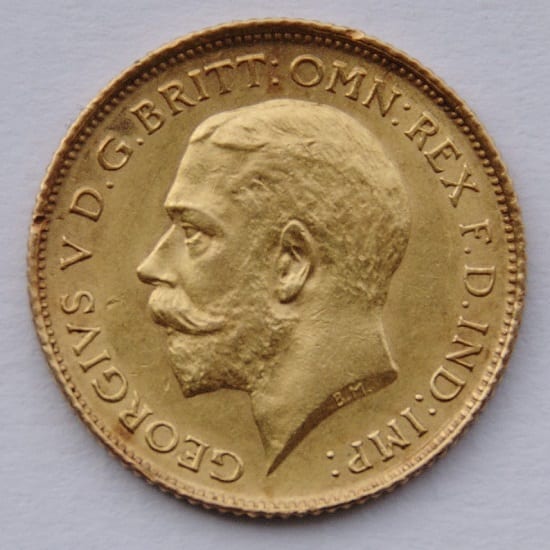
Gold Sovereigns can be sold through specialist bullion dealers, coin dealers, auctions or private sales.
For common bullion Sovereigns, a reputable gold dealer will usually offer a straightforward valuation based on the prevailing gold price and the coin’s marketability.
Rare or collectible Sovereigns may benefit from specialist assessment, particularly where an individual date, mint mark or condition could attract a premium.
Before selling, identify the denomination, year and condition of your coins, then obtain a current quotation.
Read our step-by-step guide to selling Gold Sovereigns or visit our sell gold coins page.
No. Gold Sovereign Bonds are not physical Gold Sovereign coins.
The term usually refers to Sovereign Gold Bonds issued under a scheme operated by the Reserve Bank of India on behalf of the Indian government.
These financial instruments are linked to the value of gold but do not involve owning a British Sovereign coin.
Their eligibility, terms, interest arrangements and redemption rules differ from purchasing physical bullion.
For UK investors seeking direct ownership of British Gold Sovereigns, physical coins are a separate investment with different benefits, costs and risks.
Whether you’re buying your first Sovereign, building a long-term bullion portfolio or considering selling inherited coins, understanding the gold content, premiums and potential collectible value is essential.
At Physical Gold, we specialise in helping UK precious metals investors buy and sell recognised bullion products.
Explore our Gold Sovereign coins, including new issues, historical coins and Best Value Gold Sovereigns.
Visit our Sell Gold Coins page to learn about valuations and obtaining a current quotation.
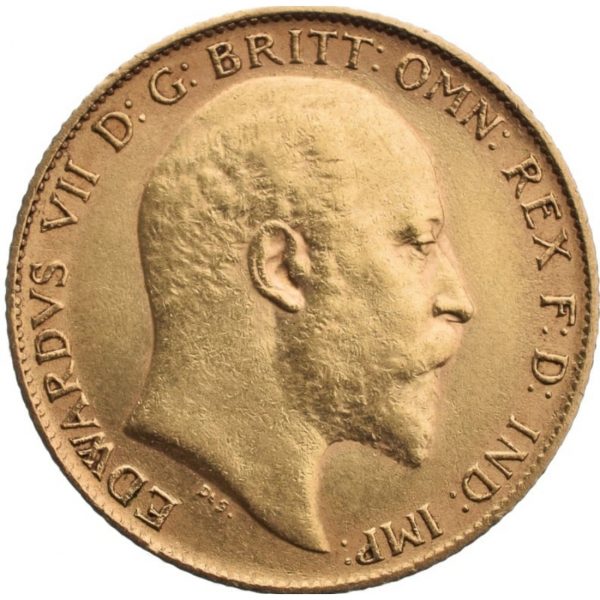
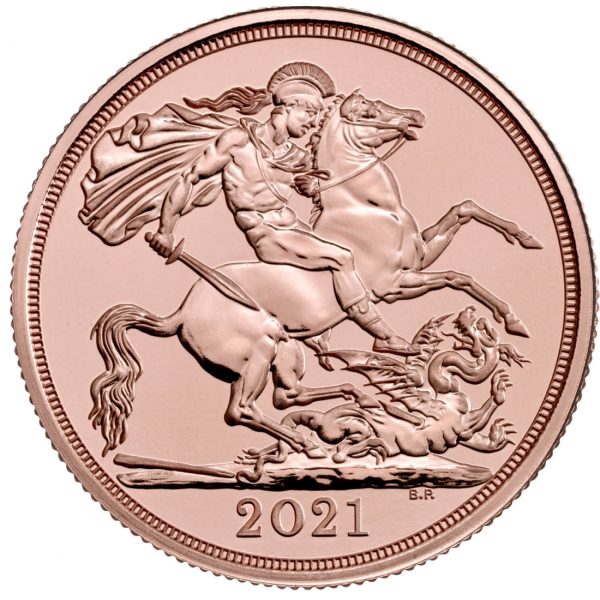
Download our free Insider’s Guide to Buying and Selling Gold and Silver Tax Efficiently for further guidance on premiums, tax considerations and investment choices.
This article provides general information and does not constitute personalised investment, legal or tax advice. Tax rules and individual circumstances may change.

Live Gold Spot Price in Sterling. Gold is one of the densest of all metals. It is a good conductor of heat and electricity. It is also soft and the most malleable and ductile of the elements; an ounce (31.1 grams; gold is weighed in troy ounces) can be beaten out to 187 square feet (about 17 square metres) in extremely thin sheets called gold leaf.
Live Silver Spot Price in Sterling. Silver (Ag), chemical element, a white lustrous metal valued for its decorative beauty and electrical conductivity. Silver is located in Group 11 (Ib) and Period 5 of the periodic table, between copper (Period 4) and gold (Period 6), and its physical and chemical properties are intermediate between those two metals.


