How to Sell Scrap Silver
01/09/2026Daniel Fisher

Accumulate gold coins on a regular basis for home delivery or storage.
Let our experts hand-pick a gold investment portfolio for you.
Free & fully insured UK Delivery. Learn more

Secure & flexible payments. Learn more

Buyback Guarantee Learn more

A cost-effective way to buy silver bullion with off-shore storage
Let our experts hand-pick a silver investment portfolio for you.
Free & fully insured UK Delivery. Learn more
Secure & flexible payments. Learn more
Buyback Guarantee Learn more
Free & fully insured UK Delivery. Learn more
Secure & flexible payments. Learn more
Buyback Guarantee Learn more


Accumulate gold coins on a regular basis for home delivery or storage.
Let our experts hand-pick a gold investment portfolio for you.
A cost-effective way to buy silver bullion with off-shore storage
Let our experts hand-pick a silver investment portfolio for you.
Free & fully insured UK Delivery. Learn more
Secure & flexible payments. Learn more
Buyback Guarantee Learn more
Free & fully insured UK Delivery. Learn more
Secure & flexible payments. Learn more
Buyback Guarantee Learn more
Many people have old silver items sitting unused at home, from coins and bars to jewellery, cutlery, trays and other household objects. Depending on what you own, these items may have value because of their silver content, while some may also have additional collectable, antique or numismatic value.
Before selling silver, it is important to understand exactly what you have. Silver purity, weight, condition and the current silver price can all affect its value, while rare or collectable items may be worth considerably more than their underlying metal content.
This guide explains how to identify silver, what can be classed as scrap, how silver is valued and where different types of silver can be sold. If your silver is in the form of investment bullion, Physical Gold buys silver coins and silver bars. We do not buy other forms of scrap silver such as jewellery, cutlery, silverware or household objects.
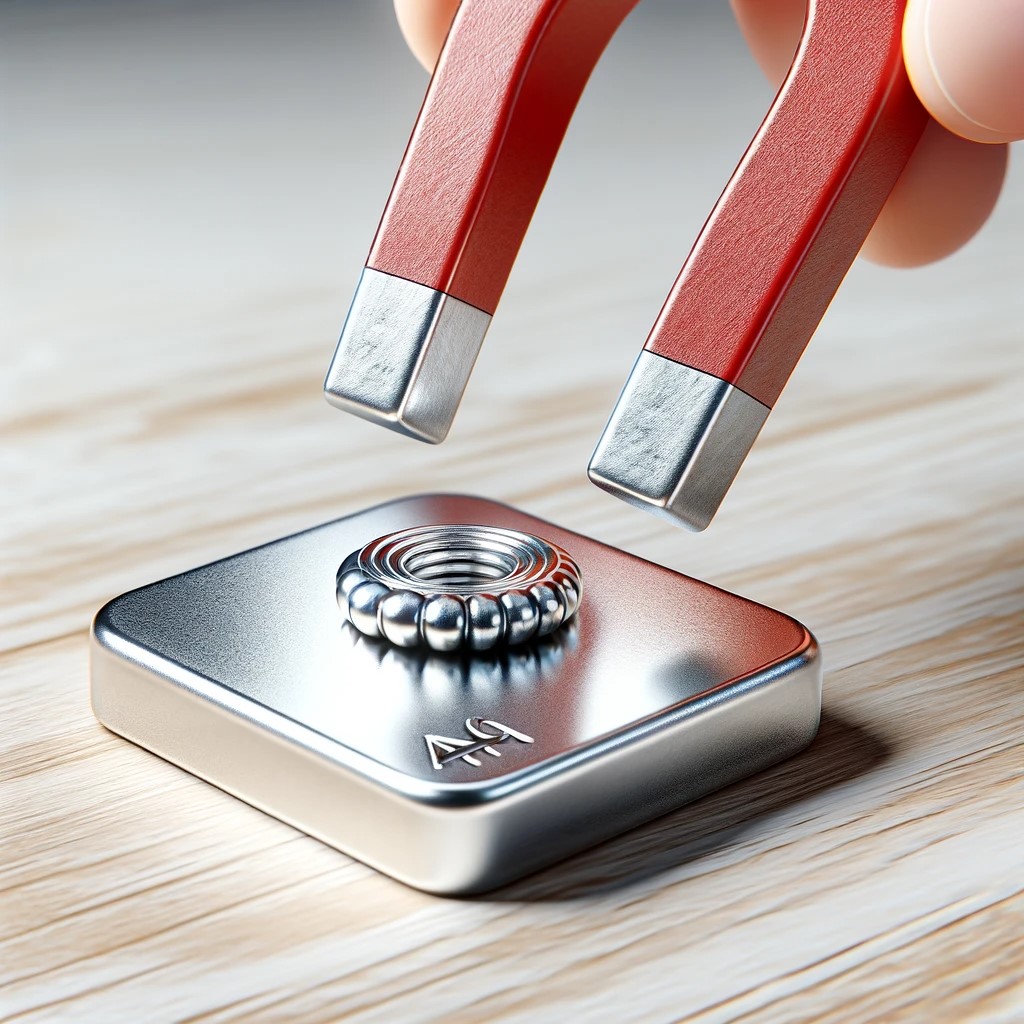
The first step is to establish whether an item actually contains silver and, if so, its purity.
Look for hallmarks or other markings indicating its fineness. Sterling silver, for example, is 92.5% pure silver and is commonly marked 925. Other markings can indicate different standards or that an item is silver-plated rather than solid silver.
A magnet can provide a useful initial check because silver itself is not magnetic. However, a magnet test cannot prove that an object is silver because many other metals are also non-magnetic.
Hallmarks, weight, dimensions and other physical characteristics should therefore be considered together rather than relying on a single test. Valuable or uncertain items can also be professionally assessed.
Read our full guide to how to tell if something is silver for more ways to check.
Essential Rules to Maximize Your Selling Price
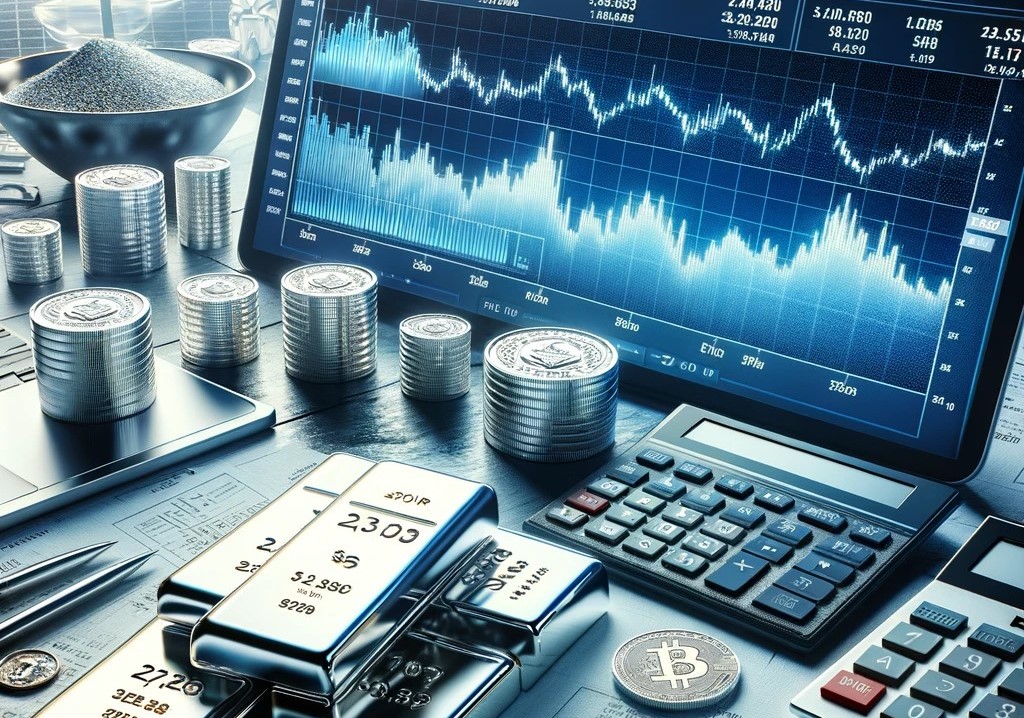
Silver is traded internationally and its market price changes throughout the trading day.
Checking the current silver price provides a useful starting point when estimating the underlying metal value of your silver.
However, the spot price represents the market price of silver and should not be confused with the amount a buyer will necessarily offer for an individual item.
The price offered for silver can depend on factors including:
Investment coins may also command a premium above their underlying silver value, while rare or collectable coins can derive a significant proportion of their value from factors other than their silver content.
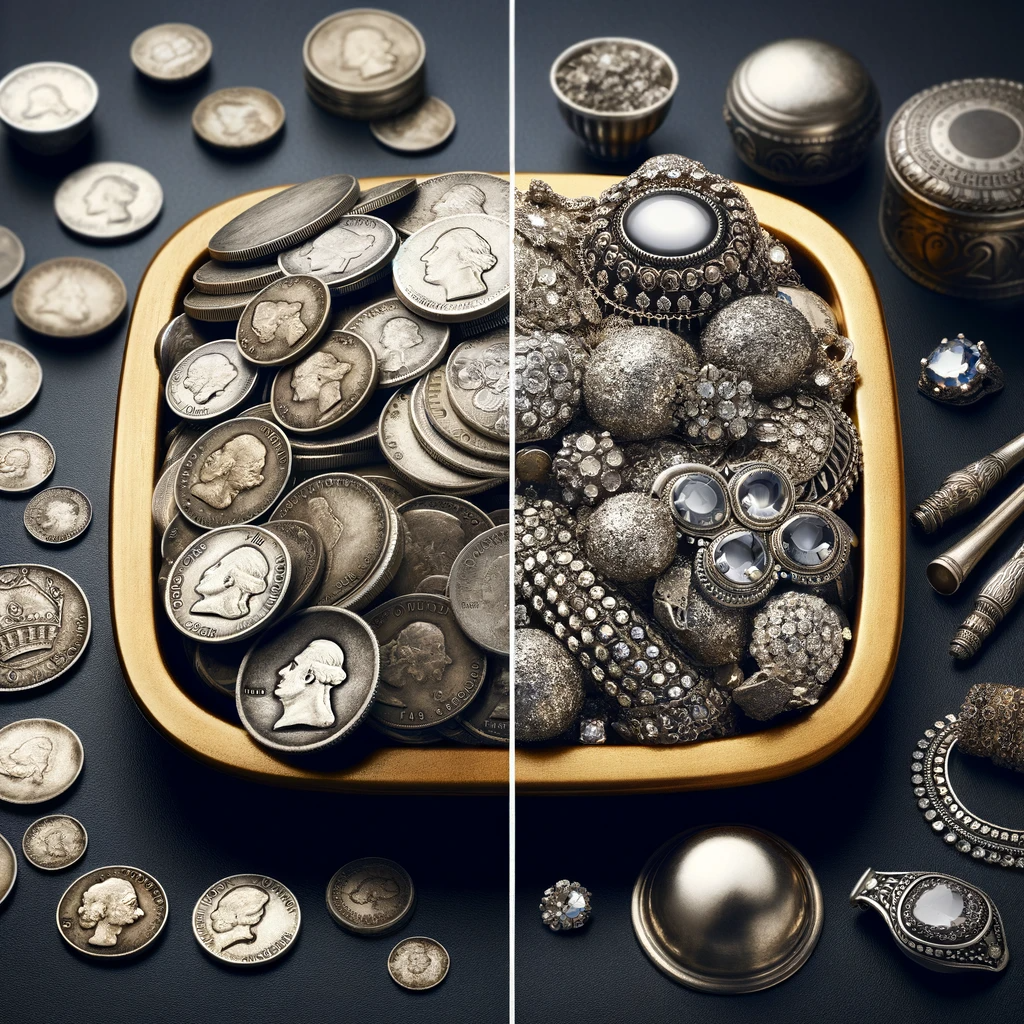
Before seeking a valuation, separate your silver according to the type of item you own.
This is particularly important with silver coins. A silver coin should not automatically be treated as scrap simply because it contains silver.
Some junk silver coins may trade relatively close to the value of their silver content, while other coins can have additional numismatic value because of their age, rarity, condition or collector demand.
Selling a valuable coin purely for its scrap metal value could therefore result in receiving significantly less than it is worth.
If you have older or unfamiliar coins, our guide to which silver coins are worth the most provides a useful starting point.
Household silver should also be separated according to its composition where possible. Sterling silver, lower-purity silver and silver-plated objects contain very different quantities of silver and should not be valued in the same way.
Get in Contact With a Member of Our Expert Team
Scrap silver generally refers to silver items whose value is primarily determined by the recoverable silver they contain rather than their function, design or collectability.
Items that may be sold for their silver content include:
The value of these items depends partly on their silver fineness and purity.
Sterling silver, for example, consists of 92.5% silver. Silver-plated items are very different because they generally contain only a thin layer of silver over another base metal.
Objects containing non-silver components, such as wooden handles, stones, resin or other materials, may also need to be valued according to the amount of recoverable silver rather than their total weight.
Physical Gold does not purchase these forms of scrap silver. We specialise in buying and selling investment silver in the form of coins and bars.
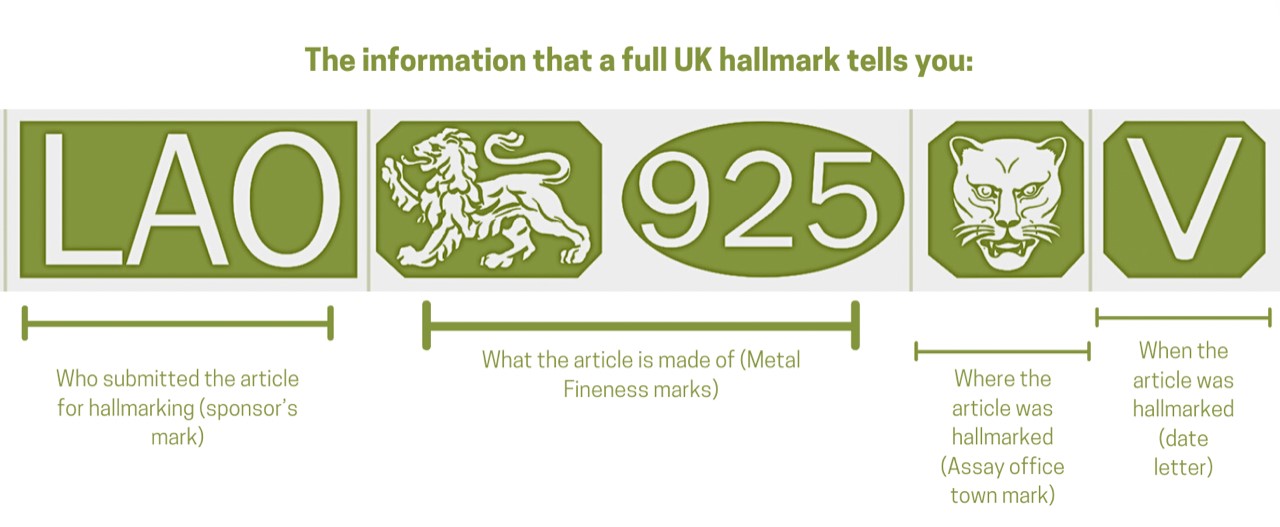
A Full UK Hallmark displays 'Maker', 'Traditional Fineness' 'Millesimal Fineness', 'Assay office', and 'Date Letter Mark'
Hallmarks can provide useful information about the composition and origin of a silver item.
A UK hallmark can contain several different marks identifying characteristics such as the item’s fineness and the assay office responsible for testing it.
A 925 millesimal fineness mark indicates sterling silver containing 92.5% pure silver.
It is also important to recognise markings associated with silver plate. EPNS, for example, generally refers to electroplated nickel silver and does not mean that the underlying object is made from solid silver.
If an item’s hallmarks or markings are difficult to identify, consider having it professionally assessed before accepting a scrap valuation.
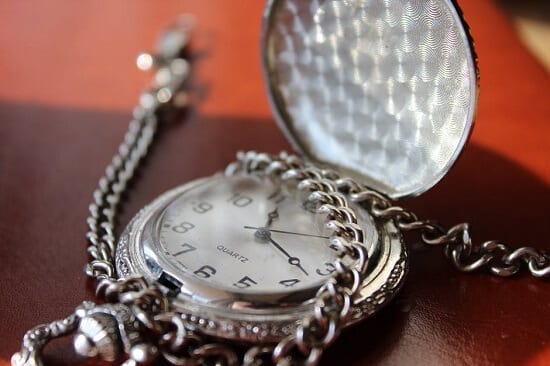
Older silver objects can sometimes be worth more than the silver they contain.
Factors such as the maker, age, rarity, condition, craftsmanship, design and provenance can all influence the value of an antique silver item.
This can be particularly important for antique jewellery, watches, decorative silverware and unusual or historically significant objects.
Selling an antique directly to a scrap buyer based solely on its weight could therefore undervalue it.
If you believe an item may be antique or collectable, consider obtaining a specialist valuation before seeking a scrap price.
Be cautious about polishing silver before having it valued, particularly if the item is old, rare or potentially collectable.
Although polishing can make silver appear brighter, aggressive or repeated cleaning can alter its surface and potentially affect the value of an antique or collectable piece.
Tarnish itself does not mean that the underlying silver has lost its metal value.
If you are unsure whether an item has value beyond its silver content, it is generally sensible to have it assessed before undertaking significant cleaning or restoration.
For more information, read our guide to removing tarnish from silver.
The underlying metal value of scrap silver is primarily determined by three things:
Weight × purity × silver value
For example, sterling silver contains 92.5% silver. This means the total weight of a sterling silver object should not be valued as though the same weight consisted entirely of pure silver.
The prevailing silver price can be used to estimate the value of the pure silver contained within an item.
However, a scrap buyer will not necessarily pay the full theoretical metal value. Their offer may take account of testing, processing, refining and other commercial costs.
For this reason, it can be worth obtaining more than one quotation when selling a significant amount of scrap silver.
Silver coins should be assessed differently from ordinary scrap silver.
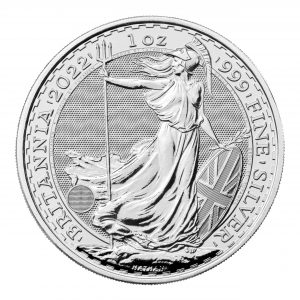
Bullion coins such as Silver Britannias are widely recognised investment products and have an established secondary market. Their value is influenced by the underlying silver price as well as the type of coin and the dealer’s prevailing buying rate.
Other silver coins may also have collectable or numismatic value above their silver content.
If you own investment silver coins, Physical Gold buys a range of silver bullion coins. Find out more about selling silver coins and how the process works.
If you are unsure what type of coin you own, establish its identity before selling it purely for its silver content.
Investment silver bars are also different from ordinary scrap silver.
Recognised bullion bars are manufactured to specified weights and levels of purity and are generally valued primarily according to their silver content and the prevailing market for the particular product.
Physical Gold buys investment silver bars. If you have bars you want to sell, visit our sell silver bars page for more information about the process.
The manufacturer, weight, purity and condition of a bar can all be relevant when obtaining a price.
Physical Gold does not buy scrap silver in forms such as jewellery, cutlery, silverware or household objects.
For these items, you will need to find an appropriate specialist buyer.
Depending on what you own, this could include:
The appropriate buyer depends on the item. A scrap precious-metals dealer may be suitable for something valued predominantly according to its silver content, while an antique, jewellery or collectable specialist may be more appropriate where an item has potential value beyond its metal content.
Before selling, consider checking the buyer’s reputation, how your silver will be tested, how the offered price has been calculated and whether any charges or deductions will be made.
If you have rare or collectable coins, the British Numismatic Trade Association can also be useful when researching established coin dealers.
Before accepting an offer for silver:
Taking some time to identify and understand your silver before selling can help avoid treating a potentially valuable item simply as scrap.
Physical Gold buys investment silver in the form of silver coins and silver bars.
If you have investment silver to sell, you can find out more about:
The price available will depend on the products you own and prevailing market conditions.
If you’re unsure whether your silver coins or bars are products we buy, call the Physical Gold team on 020 7060 9992 or contact us.
Please note that Physical Gold does not buy silver jewellery, cutlery, silverware or other forms of scrap silver.
Image Credits: J.S. Klingemann
Start by identifying the type, weight and purity of the silver you own. Check the current silver price and consider whether the item could have antique or collectable value before approaching a buyer.
For ordinary scrap silver, compare reputable specialist buyers and understand how each valuation has been calculated.
Physical Gold buys investment silver coins and bars but does not buy other forms of scrap silver.
The underlying metal value of scrap silver depends primarily on its weight, purity and the prevailing silver price.
A buyer’s offer may be below the theoretical value of the silver contained in an item because costs associated with testing, processing and refining may need to be taken into account.
Antiques, jewellery, coins and collectable items can also have value beyond their silver content.
Whether now is an appropriate time to sell depends on the type of silver you own, the price available and your individual reasons for selling.
Silver prices fluctuate and recent price movements cannot reliably predict what will happen next. Checking the current silver price can help you understand the market value when comparing offers.
Avoid aggressive polishing if an item may be antique or collectable.
Cleaning can alter the surface or patina of an object and potentially affect its value. If you are unsure whether an item has value beyond its silver content, consider having it assessed before cleaning it.
Yes. Tarnish does not remove the underlying silver content of an item.
However, condition can affect the value of antique or collectable silver, so avoid aggressive cleaning simply to remove tarnish before obtaining a valuation.
Scrap silver can include unwanted or damaged silver jewellery, cutlery, silverware and other objects containing recoverable silver.
The amount they are worth will depend partly on their silver content. Silver-plated objects contain considerably less silver than solid sterling silver and may therefore be treated differently by buyers.
Silver coins contain precious metal, but they should not automatically be valued as scrap.
Some bullion coins can trade above their underlying silver value, while rare or collectable coins may have substantial additional numismatic value.
If you own investment coins, Physical Gold buys silver coins. If you have an unfamiliar or potentially rare coin, consider establishing its value before selling it purely for its silver content.
Physical Gold buys silver coins and silver bars, but we do not buy other forms of scrap silver such as jewellery, cutlery, silverware or household objects.
If you have investment silver to sell, visit our sell silver coins or sell silver bars pages.

Live Gold Spot Price in Sterling. Gold is one of the densest of all metals. It is a good conductor of heat and electricity. It is also soft and the most malleable and ductile of the elements; an ounce (31.1 grams; gold is weighed in troy ounces) can be beaten out to 187 square feet (about 17 square metres) in extremely thin sheets called gold leaf.
Live Silver Spot Price in Sterling. Silver (Ag), chemical element, a white lustrous metal valued for its decorative beauty and electrical conductivity. Silver is located in Group 11 (Ib) and Period 5 of the periodic table, between copper (Period 4) and gold (Period 6), and its physical and chemical properties are intermediate between those two metals.


