What Is Junk Silver and Is It Worth Buying?
09/01/2024Daniel Fisher

Accumulate gold coins on a regular basis for home delivery or storage.
Let our experts hand-pick a gold investment portfolio for you.
Free & fully insured UK Delivery. Learn more

Secure & flexible payments. Learn more

Buyback Guarantee Learn more

A cost-effective way to buy silver bullion with off-shore storage
Let our experts hand-pick a silver investment portfolio for you.
Free & fully insured UK Delivery. Learn more
Secure & flexible payments. Learn more
Buyback Guarantee Learn more
Free & fully insured UK Delivery. Learn more
Secure & flexible payments. Learn more
Buyback Guarantee Learn more


Accumulate gold coins on a regular basis for home delivery or storage.
Let our experts hand-pick a gold investment portfolio for you.
A cost-effective way to buy silver bullion with off-shore storage
Let our experts hand-pick a silver investment portfolio for you.
Free & fully insured UK Delivery. Learn more
Secure & flexible payments. Learn more
Buyback Guarantee Learn more
Free & fully insured UK Delivery. Learn more
Secure & flexible payments. Learn more
Buyback Guarantee Learn more
Despite its name, junk silver can hold genuine value for precious metals investors.
The term generally refers to older circulating coins whose value comes primarily from their silver content rather than their rarity, condition or collectable appeal. The best-known examples are older US dimes, quarters and half-dollars containing significant quantities of silver.
Because these coins have already circulated and are not usually considered numismatic pieces, they can sometimes be purchased at lower premiums than newly minted bullion coins. That can make junk silver an interesting way to gain exposure to the silver price.
But lower premiums do not necessarily make junk silver the best silver investment – particularly for UK investors, who also need to consider liquidity, purity, VAT and Capital Gains Tax (CGT).
So, what exactly is junk silver, how much is it worth and does it deserve a place in a precious metals portfolio?
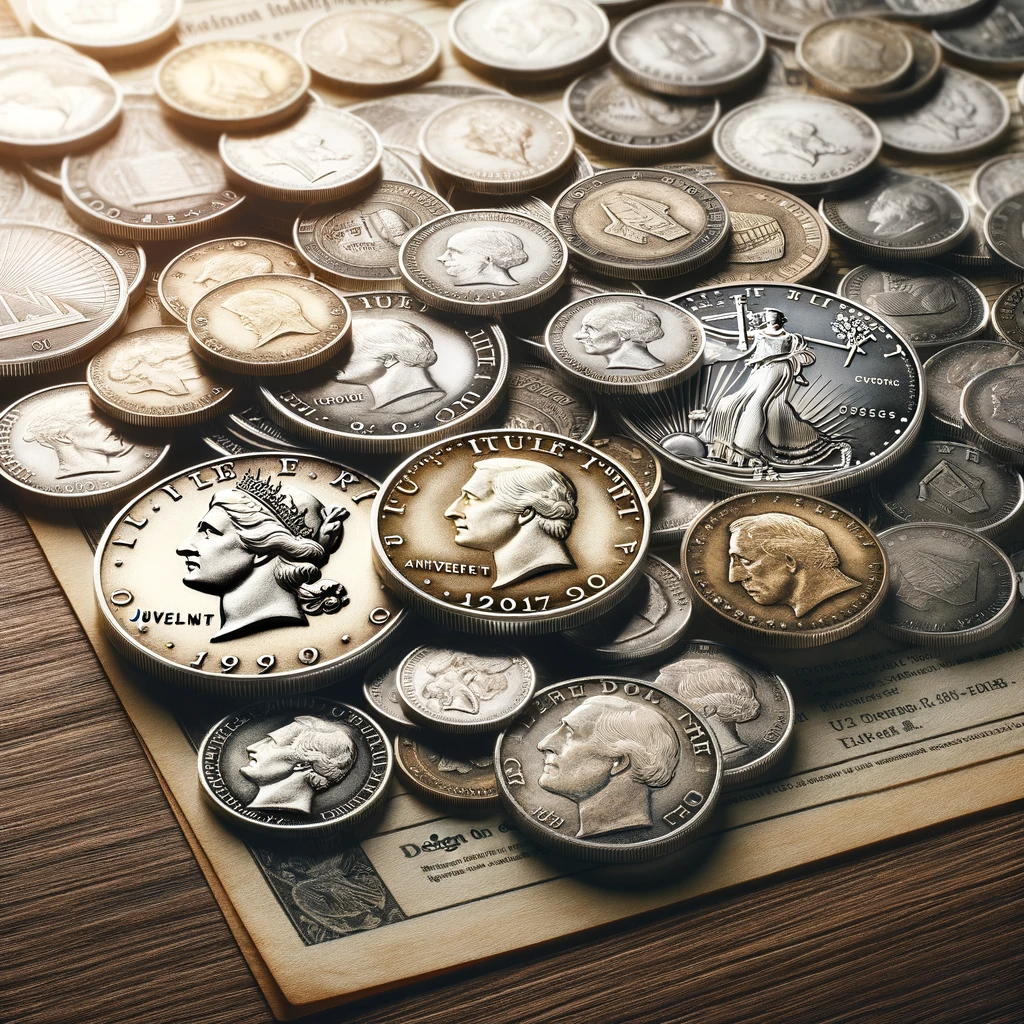
Junk silver is a term most commonly used for older silver coins that have little or no significant numismatic value and are therefore valued mainly according to the quantity of silver they contain.
Despite the word “junk”, the coins are not worthless or necessarily damaged. Many are simply circulated coins that were once everyday currency.
The term is particularly associated with historic US coinage, including dimes, quarters and half-dollars produced when circulating coins still contained substantial amounts of silver.
Their value is determined largely by:
This makes junk silver fundamentally different from rare or collectable coins, where scarcity, condition, provenance and collector demand can contribute significantly to the price.
The term is sometimes confused with scrap silver, but there is an important distinction between the two.
Before cheaper base metals became standard for circulating currency, many countries used silver in everyday coins.
In the United States, dimes, quarters and half-dollars were commonly produced from 90% silver until changes introduced under the Coinage Act of 1965 removed silver from dimes and quarters and reduced the silver content of half-dollars.
This is why pre-1965 US coins are so closely associated with the term junk silver.
However, junk silver is not restricted exclusively to the United States. Older circulating silver coins from Canada, the UK and other countries can sometimes be bought primarily for their metal content too.
For investors, the important point is not simply the age or nationality of the coin. It is understanding exactly how much silver the coin contains and whether the price being asked fairly reflects that amount.
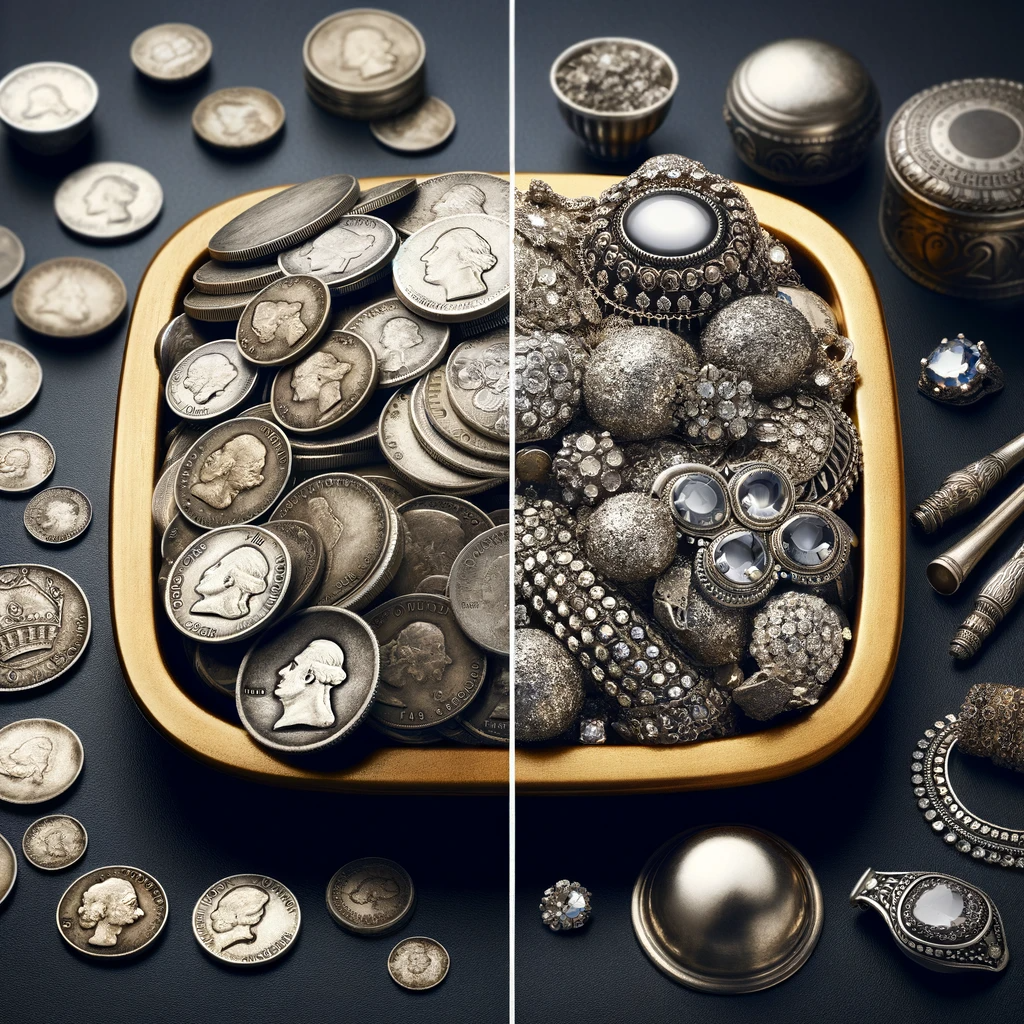
Although the terms are sometimes used interchangeably, junk silver and scrap silver are not quite the same thing.
Junk silver generally describes recognisable historic coins whose principal value comes from their silver content. Scrap silver is a much broader category covering unwanted silver objects that may ultimately be refined or melted down.
One advantage junk silver has over unidentified scrap is that the original specification of a genuine coin is generally known. That can make its approximate silver content easier to establish.
There is no single definition covering every coin that might be described as junk silver. However, several types dominate the market.
US dimes dated 1964 or earlier were generally struck from 90% silver and 10% copper.
Because they contain a relatively small quantity of silver individually, they can provide a way to accumulate physical silver in small denominations.
US quarters dated 1964 or earlier were also generally produced from 90% silver.
Like silver dimes, their value as junk silver is based primarily on their precious metal content rather than their face value.
US half-dollars dated 1964 and earlier generally contain 90% silver.
Kennedy half-dollars dated from 1965 to 1970 contain 40% silver, illustrating why investors should check both the coin type and year rather than assuming all examples have the same purity.
Historic US silver dollars require more care because their composition varies according to the particular coin and period.
For example, classic Morgan and Peace silver dollars were struck from 90% silver. Some later US dollar coins were issued in different compositions.
Certain silver dollars can also command substantial collector premiums, meaning they may no longer qualify as “junk” silver in the conventional sense.
US Jefferson nickels produced during part of the Second World War, from 1942 to 1945, were struck from an alloy containing 35% silver.
They can usually be identified by the large mint mark positioned above Monticello on the reverse.
Older Canadian circulating coins are another source of junk silver.
Many Canadian dimes, quarters and half-dollars were historically struck using silver, although composition varies according to denomination and year. Investors should therefore establish the specification of a particular coin before valuing it.
Free ultimate guide for keen precious metals investors
Junk silver combines precious metal content with relatively low-cost access to physical silver. Its appeal tends to come from five main characteristics.
One of the biggest attractions is the potential to buy silver with a smaller premium over the underlying metal value than some newly minted bullion products.
Because junk silver has already circulated and usually has little numismatic premium, investors are principally paying for the silver it contains.
However, low premiums are not guaranteed. Supply, demand and dealer spreads can all affect the price, so investors should calculate how much silver they are actually receiving for their money.
Unlike modern base-metal circulating coins, junk silver contains a meaningful quantity of precious metal.
Its value therefore has a direct relationship with the underlying silver market.
You can follow movements in the live silver price to understand how changes in the underlying metal price may affect the melt value of silver coins.
Junk silver is available in relatively small units.
For investors who want to build their silver holdings gradually, this can be attractive because individual coins contain much less silver than a large bullion bar.
Even where a coin has little significant numismatic value, holding an object that once circulated as everyday money can add an interesting historical dimension.
That differentiates junk silver from newly manufactured bullion.
Junk silver is popular with some people who practise silver stacking – steadily accumulating physical silver over time rather than attempting to trade short-term price movements.
Its relatively small denominations and potentially low premiums can make it suitable for this approach.
Our automated portfolio builder will provide suggestions based on various investment objectives.
Junk silver can be an effective way to gain physical exposure to silver, particularly when it can be purchased close to its underlying metal value.
However, whether it is a good investment depends on what you want your silver holding to achieve.
For a UK investor, there are several important considerations.
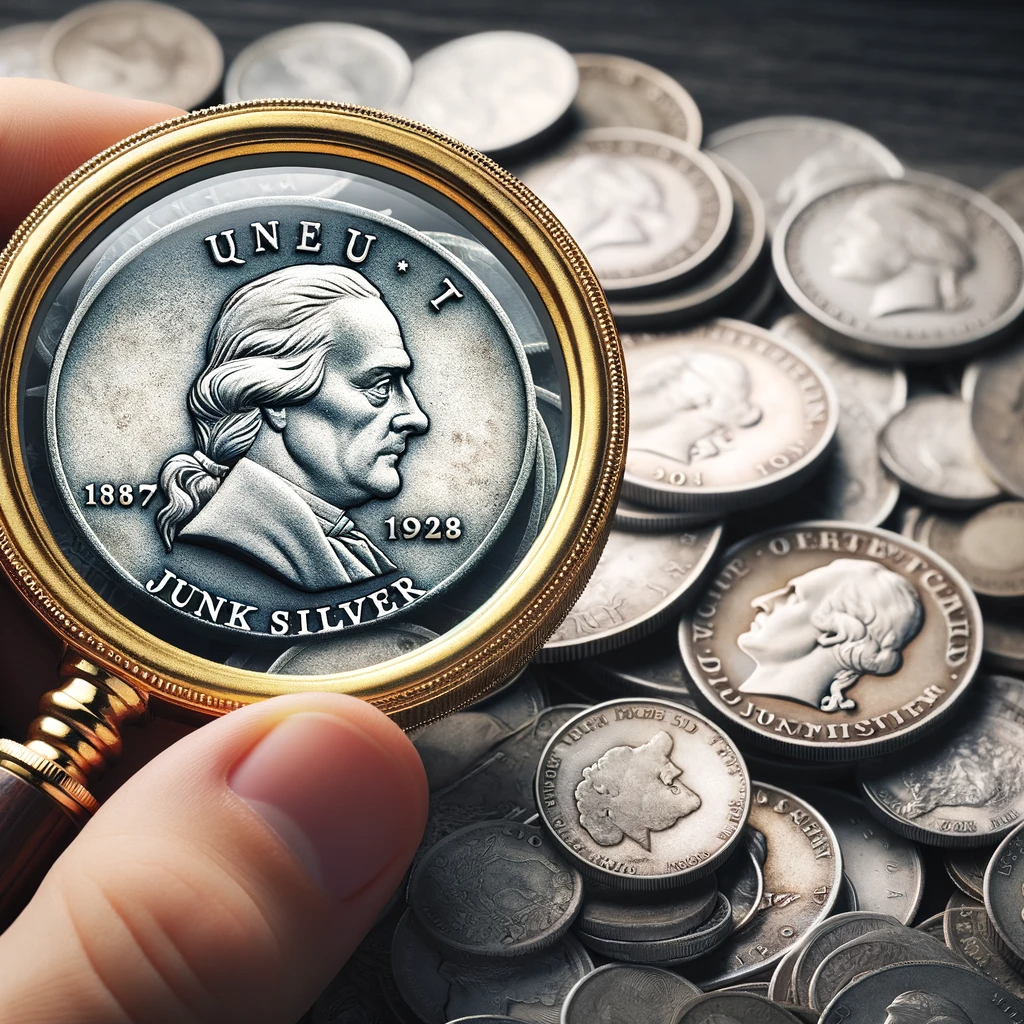
Purity varies considerably between junk silver coins.
Unlike modern investment-grade bullion, where the fineness is generally clearly defined and standardised, historic circulating coins can contain very different percentages of silver.
Understanding silver fineness and purity is therefore essential.
A coin containing 90% silver and one containing 40% silver should not be compared simply by their gross weight. You need to calculate the actual quantity of fine silver each contains.
This makes junk silver slightly more complicated to value than standardised bullion.
Low premiums are one of junk silver’s strongest selling points.
However, the cheapest coin is not necessarily the cheapest way to buy silver.
Investors need to consider the total cost per ounce or gram of fine silver rather than simply the price of an individual coin.
Dealer margins, shipping, VAT and eventual selling costs can all affect the overall return.
Liquidity is an important difference between junk silver and mainstream investment-grade bullion.
Well-known bullion coins are produced to standard specifications and are widely recognised by precious metals dealers. This can make them straightforward to value and sell.
Junk silver is less standardised. A potential buyer may need to establish the precise coin, date, purity and condition before making an offer.
That does not mean junk silver is illiquid, but selling it may involve more friction and potentially wider spreads.
Our guide to selling silver coins explains the factors that can affect the resale process.
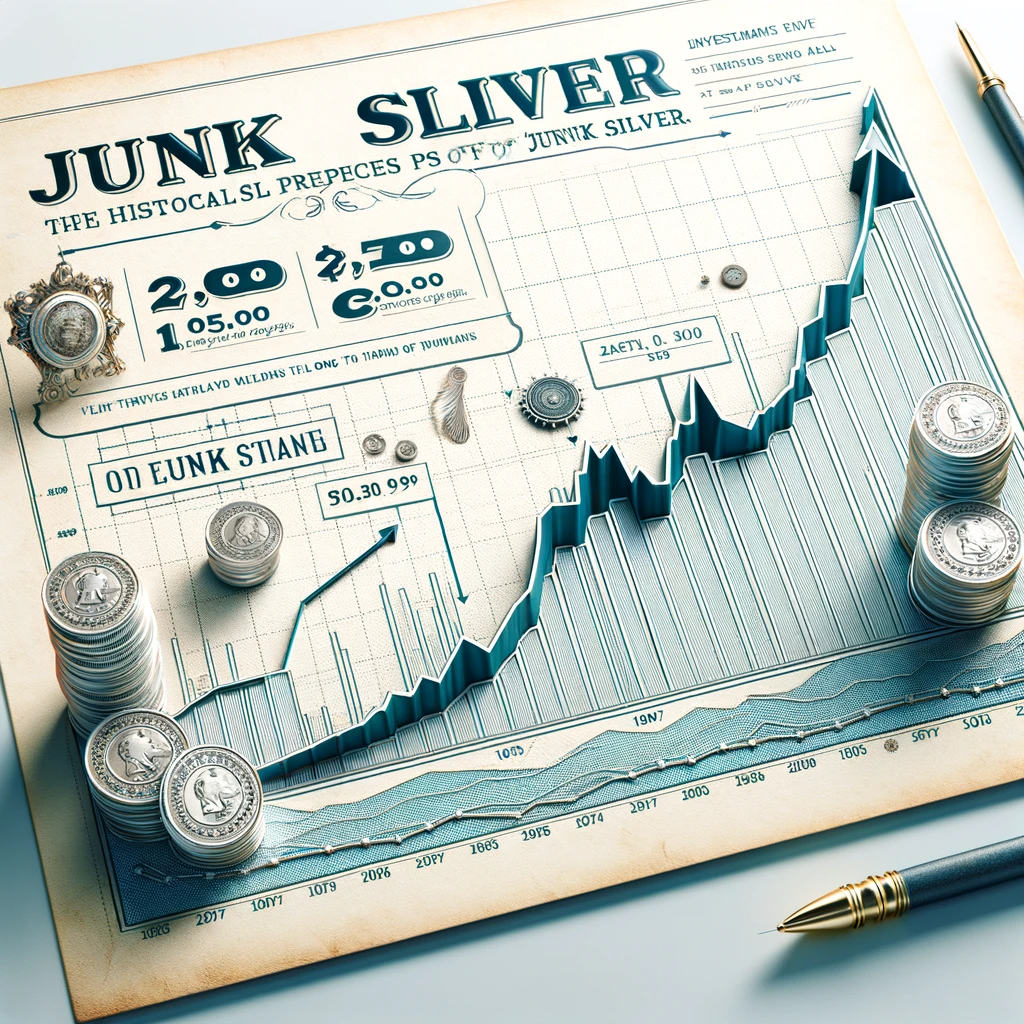
The investment return from ordinary junk silver is likely to be driven predominantly by changes in the underlying silver price and the spread between the price paid when buying and the amount received when selling.
If you buy at a low premium, less of a rise in silver may be required before the investment moves into profit.
However, investors should be cautious about assuming junk silver will develop substantial collector value.
Some historic coins do become more desirable because of rarity or numismatic demand, but at that point their valuation begins to move beyond the conventional definition of junk silver.
Genuinely rare coins can behave very differently. Our guide to the most valuable silver coins explains the factors that can create additional numismatic value.
This is particularly important for UK investors.
Profits from disposing of overseas junk silver coins can potentially form part of your Capital Gains Tax calculation, subject to your individual circumstances and the applicable CGT rules and allowances.
Certain UK bullion coins offer a significant advantage.
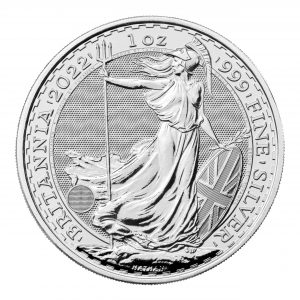
British legal-tender coins such as Silver Britannias are exempt from UK Capital Gains Tax. This can make them particularly attractive to UK investors anticipating significant long-term gains.
The tax advantage means the lowest-premium silver is not necessarily the most tax-efficient investment.
Read our complete guide to the tax implications of gold and silver for UK investors for more information.
Tax rules can change and individual circumstances differ, so professional tax advice should be sought where appropriate.
UK investors also need to consider VAT.
Unlike investment gold, physical silver is generally subject to VAT in the UK when purchased in the normal way.
The tax treatment and selling structure can therefore materially affect the economics of investing in physical silver, particularly when comparing different products or storage arrangements.
For larger investments, it is worth considering the full purchase and eventual resale cost rather than comparing products solely on their headline price.
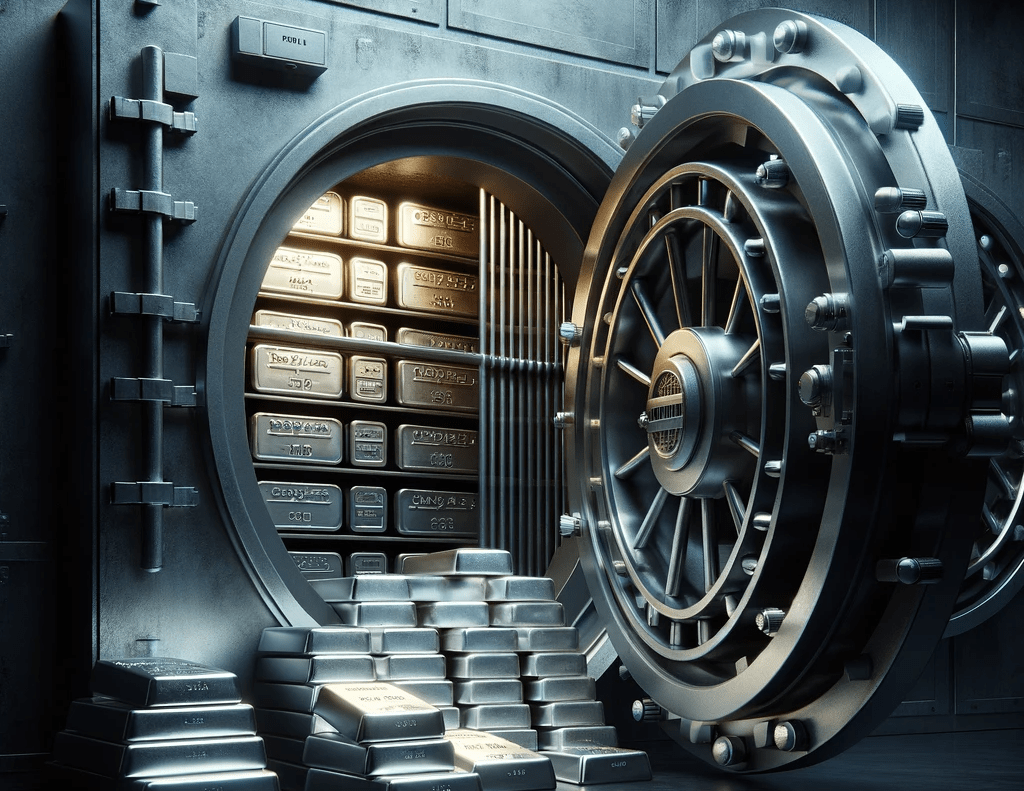
Low-cost silver can create a surprisingly large storage requirement.
Because silver has a much lower value per kilogram than gold, a substantial silver investment occupies considerably more physical space than an equivalent-value gold investment.
If junk silver enables you to acquire a larger number of coins, secure storage becomes increasingly important.
Small holdings may be kept securely at home, while larger investments may benefit from professional precious metals storage, where insurance and storage charges should be factored into the overall investment cost.
Silver can provide diversification within a wider investment portfolio and junk silver can also diversify an existing precious metals holding.
For example, an investor might combine lower-premium historic silver with highly recognisable bullion coins.
However, diversification does not remove investment risk. The silver price can rise and fall significantly and there is no guarantee that precious metals will produce a positive return over a particular period.
For UK investors, this is arguably the most important comparison.
Neither option is automatically better.
Junk silver can make sense where the objective is to acquire physical silver at a low premium. But for many UK investors, the liquidity and potential CGT advantages offered by recognised British bullion coins can outweigh a slightly higher initial premium.
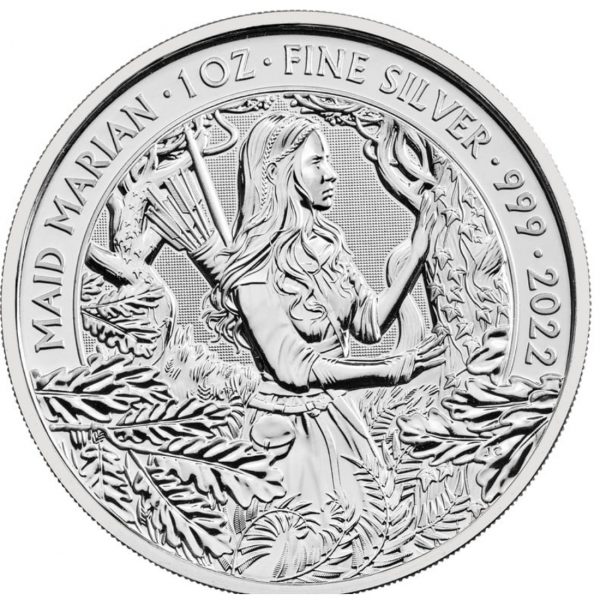
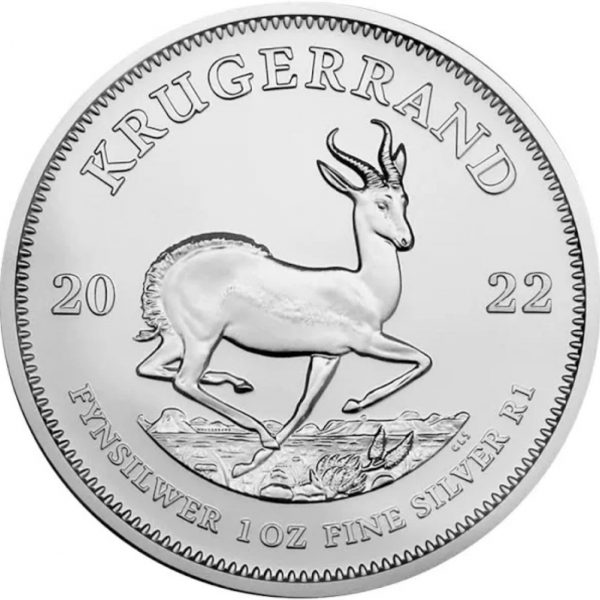
If you are considering buying historic silver coins, never assume that an old-looking coin contains silver.
Several checks can help establish what you have.
The year can be critical.
For US dimes and quarters, 1964 and earlier is an important threshold because these coins were generally produced from 90% silver.
Other denominations and countries have different cut-off dates.
Establish the exact coin rather than relying solely on appearance.
Different denominations from the same period may have different compositions.
Use reputable reference sources to establish the coin’s original weight, diameter and metal composition.
Knowing that a coin contains “silver” is not sufficient – you need to know how much fine silver it should contain.
Weighing a coin can help confirm whether its specifications are consistent with a genuine example.
Bear in mind that circulated coins can lose a small amount of weight through wear.
Silver is not magnetic, so a strongly magnetic coin is an obvious warning sign.
However, passing a magnet test does not prove that a coin is genuine silver because many other non-magnetic metals can be used in counterfeits.
For larger purchases or unfamiliar coins, professional testing or assessment from an established precious metals dealer or numismatist can reduce the risk of buying counterfeit or incorrectly described silver.
Our guide to how to tell if something is silver covers the main testing methods in greater detail.
The starting point for valuing junk silver is the amount of fine silver contained in the coin.
A simplified calculation is:
Coin weight × silver purity = fine silver weight
The fine silver weight can then be compared with the prevailing silver price to estimate its underlying metal or “melt” value.
For example, two coins of identical gross weight would have very different intrinsic values if one contained 90% silver and the other only 40%.
Actual buying and selling prices can differ from melt value because dealers and investors also take account of:
This is why investors should compare the price per unit of fine silver, rather than simply comparing individual coin prices.
No.
Sterling silver is an alloy containing 92.5% silver, with the remaining 7.5% usually consisting of another metal such as copper.
It is widely used for jewellery, cutlery and decorative objects.
Junk silver, by contrast, is a market term generally associated with historic circulating coins that are valued principally for their silver content.
An unwanted sterling silver object may therefore be considered scrap silver, but it would not normally be described as junk silver.
Read more about the difference between sterling silver and silver.
Junk silver can provide a cost-effective way to accumulate physical silver, particularly where coins can be bought at a low premium over their intrinsic metal value.
But price should not be the only consideration.
For UK investors, established investment-grade silver coins can offer several advantages, including consistent purity, easy valuation, strong recognition and potentially greater liquidity.
UK legal-tender bullion coins such as Silver Britannias also benefit from exemption from Capital Gains Tax, which can become increasingly valuable as the size and profitability of a precious metals portfolio grows.
For these reasons, junk silver may work well as part of a broader silver holding rather than necessarily forming the entire portfolio.
If your priority is investment rather than collecting, compare the total acquisition cost, purity, resale market and tax treatment before deciding which silver offers the best overall value.

At Physical Gold, we specialise in investment-grade precious metals for UK investors.
If your objective is to build a physical silver holding, our team can help you compare different coins and investment strategies according to your budget and objectives.
Browse our range of silver coins for investment, including one-ounce and collectable silver coins.
Alternatively, call our expert team on 020 7060 9992 or email info@physicalgold.com.
Junk silver generally refers to older circulating silver coins that have little significant numismatic value and are bought and sold mainly according to the amount of silver they contain. The word “junk” does not mean the coins are worthless – their value comes principally from their precious metal content.
Start by identifying the country, denomination and date. For example, most US dimes and quarters dated 1964 or earlier contain 90% silver. Check the official specification, weight and composition of the particular coin rather than relying on appearance alone.
The term distinguishes ordinary circulated silver coins from rare or high-value numismatic coins. Their value is primarily linked to their silver content rather than exceptional condition, rarity or collector demand.
It can be. Junk silver may provide relatively low-premium exposure to the silver price and can be useful for investors who want to accumulate physical silver in small denominations. However, UK investors should also consider liquidity, purity, VAT and CGT before choosing it over recognised bullion coins.
It can have a lower premium than newly minted bullion, but this is not always the case. Investors should calculate the total price per ounce or gram of fine silver and take account of taxes, dealer spreads and eventual selling costs.
Physical silver is generally subject to VAT when purchased in the UK in the normal way. The precise treatment can depend on how and where the silver is purchased and stored, so investors should consider the total tax-inclusive cost when comparing silver investments.
Not automatically. Overseas junk silver coins can potentially be subject to UK Capital Gains Tax when sold at a profit. By contrast, qualifying UK legal-tender bullion coins such as Silver Britannias are exempt from CGT for UK taxpayers.
The term commonly describes older US circulating coins made from an alloy containing 90% silver. Examples include many US dimes, quarters and half-dollars dated 1964 or earlier.
Establish the coin’s weight and silver purity to calculate its fine silver content. This can then be multiplied by the prevailing silver price to estimate its intrinsic metal value. The actual buying or selling price may be higher or lower depending on premiums, dealer margins, condition and market demand.
First identify the coins and establish their approximate silver content and melt value. Then obtain prices from reputable precious metals or coin dealers. Compare the amount offered rather than assuming every buyer will apply the same spread to the underlying silver price.

Live Gold Spot Price in Sterling. Gold is one of the densest of all metals. It is a good conductor of heat and electricity. It is also soft and the most malleable and ductile of the elements; an ounce (31.1 grams; gold is weighed in troy ounces) can be beaten out to 187 square feet (about 17 square metres) in extremely thin sheets called gold leaf.
Live Silver Spot Price in Sterling. Silver (Ag), chemical element, a white lustrous metal valued for its decorative beauty and electrical conductivity. Silver is located in Group 11 (Ib) and Period 5 of the periodic table, between copper (Period 4) and gold (Period 6), and its physical and chemical properties are intermediate between those two metals.


