
Advantages and Disadvantages of Investing in Precious Metals
10/09/2026Daniel Fisher

Accumulate gold coins on a regular basis for home delivery or storage.
Let our experts hand-pick a gold investment portfolio for you.
Free & fully insured UK Delivery. Learn more

Secure & flexible payments. Learn more

Buyback Guarantee Learn more

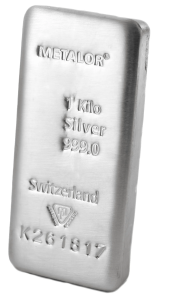
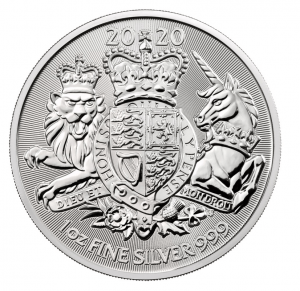
A cost-effective way to buy silver bullion with off-shore storage
Let our experts hand-pick a silver investment portfolio for you.
Free & fully insured UK Delivery. Learn more
Secure & flexible payments. Learn more
Buyback Guarantee Learn more
Free & fully insured UK Delivery. Learn more
Secure & flexible payments. Learn more
Buyback Guarantee Learn more


Accumulate gold coins on a regular basis for home delivery or storage.
Let our experts hand-pick a gold investment portfolio for you.
A cost-effective way to buy silver bullion with off-shore storage
Let our experts hand-pick a silver investment portfolio for you.
Free & fully insured UK Delivery. Learn more
Secure & flexible payments. Learn more
Buyback Guarantee Learn more
Free & fully insured UK Delivery. Learn more
Secure & flexible payments. Learn more
Buyback Guarantee Learn more
Investing in physical precious metals is quite different from putting money into shares, bonds or funds. You are buying a tangible asset that you can hold, store and ultimately sell – but one that pays no interest or dividends and comes with its own costs.
For some investors, those characteristics are exactly what make physical gold and silver attractive. For others, they may be reasons to look elsewhere.
So, before buying, it is worth understanding the good, the bad and, occasionally, the ugly of precious metals investment.
This guide looks at the main advantages and disadvantages of owning physical gold and silver, the costs and risks investors should consider and some of the ways those drawbacks can be reduced.
If you’re still deciding between the two metals, our separate guide compares gold vs silver as an investment in more detail.
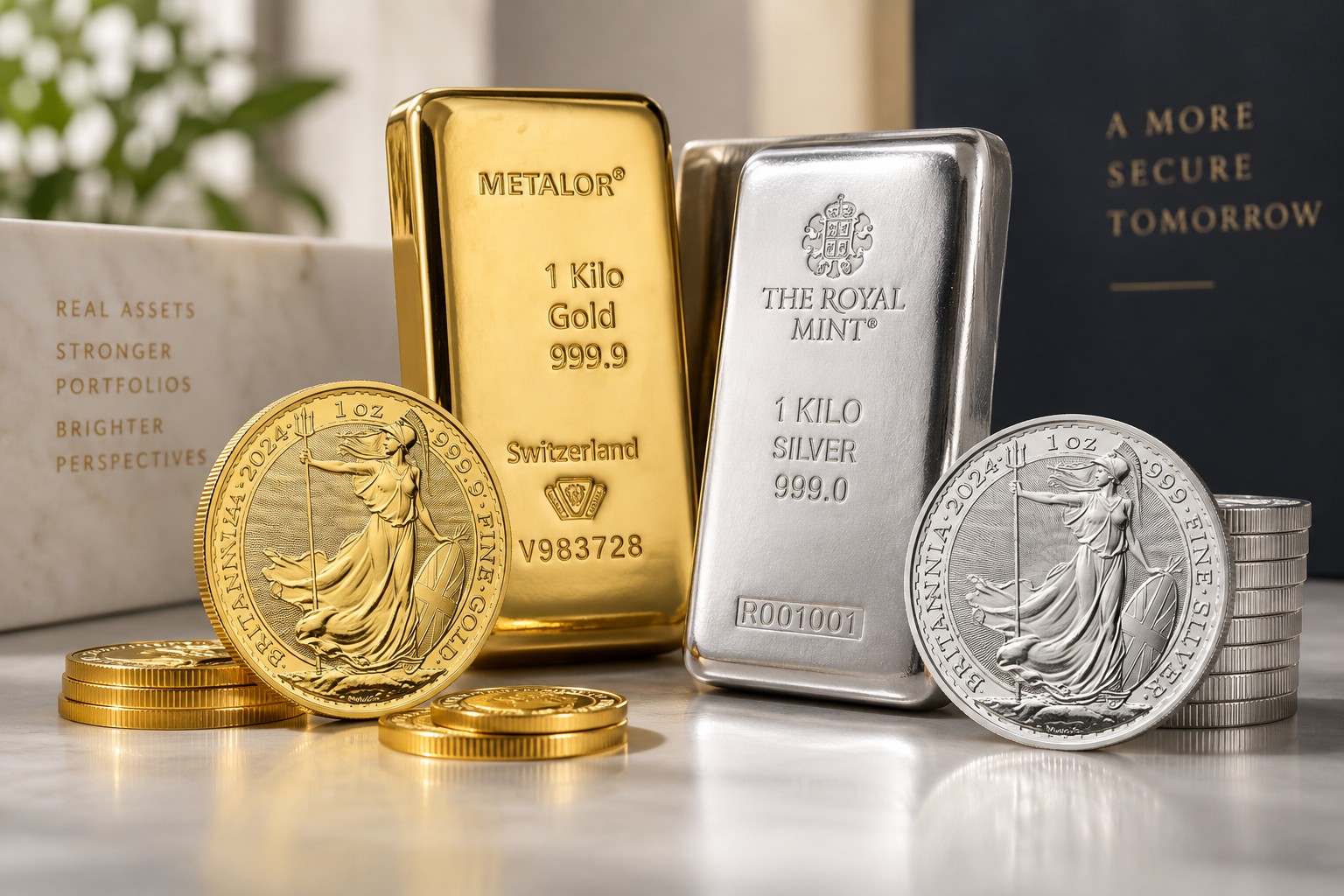
Gold and silver have been valued for thousands of years. Today, investors generally buy bullion for very different reasons from those of our ancestors, but physical precious metals retain some unusual characteristics that distinguish them from most modern investments.
Perhaps the most obvious advantage of physical precious metals is that they are exactly that – physical.
When you buy physical gold or buy physical silver, you own the underlying metal rather than a share, fund or other financial instrument designed to give you exposure to its price.
There is no company whose profitability determines whether your gold bar continues to exist and no fund manager making investment decisions on your behalf.
For investors who specifically want to hold some of their wealth outside conventional financial assets, that can be an important distinction.
One of the main reasons investors hold precious metals is diversification.
Gold in particular has historically behaved differently from assets such as equities during certain periods of financial stress. That does not mean gold will always rise when stock markets fall – markets are rarely that obliging – but holding assets with different drivers can help reduce reliance on the performance of a single market.
Silver can also provide diversification, although its substantial industrial demand means its price is influenced by a different mixture of investment and economic factors.
Precious metals should therefore generally be considered as one component of a broader investment strategy rather than an all-or-nothing bet.
For more on gold’s defensive characteristics, read our guide to gold as a safe-haven investment.
Download the FREE insider tips to gold investing
Currencies, governments and financial systems have changed considerably over the centuries. Gold has managed to retain demand throughout them.
That does not mean its purchasing power remains perfectly constant or that its price only moves upwards. Gold can experience substantial price falls as well as increases.
Its scarcity, international recognition and long history of being held as a monetary and investment asset do, however, help explain why investors continue to use gold as a potential long-term store of value.
This is also why we generally view physical gold as a long-term asset rather than a speculative short-term investment.
Gold and silver are traded internationally, with widely available spot prices providing investors with a transparent reference point for the underlying value of the metals.
That is a significant advantage over many less liquid physical assets.
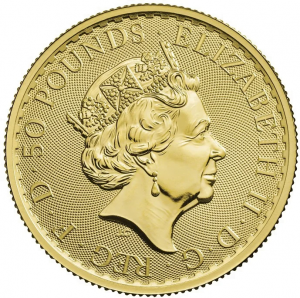
A gold Britannia, for example, does not need to find a collector who happens to want that exact coin before it can be sold. Standard bullion products are valued principally according to their precious metal content, condition and prevailing market price.
Established industry organisations such as the London Bullion Market Association (LBMA) also maintain standards across significant parts of the wholesale precious metals market.
For private investors, buying recognised bullion products from an established dealer can therefore provide a relatively straightforward route into – and eventually out of – physical precious metals.
One advantage of mainstream bullion is that its underlying value is relatively transparent.
If you own a one-ounce gold coin containing one troy ounce of fine gold, you can quickly check the prevailing gold price and obtain a reasonable indication of its underlying metal value.
The actual amount you pay or receive will differ from the spot price because of dealer premiums and spreads, but investors are not dependent on a subjective valuation in the same way they might be with fine art, antiques or some collectable assets.
This is one reason we generally recommend that investment-led buyers distinguish between bullion and collectable or numismatic coins. A rare coin may be a wonderful thing to own, but its value can depend on factors well beyond the metal it contains.
For UK investors, the way you choose to own precious metals can make a significant difference to tax.
Qualifying investment gold is exempt from VAT in the UK.
Certain UK legal-tender bullion coins can also offer a Capital Gains Tax advantage. Coins such as gold Sovereigns and gold and silver Britannias are UK legal tender and gains made by UK individuals on their disposal are generally exempt from CGT.
That can make product selection particularly important when building a larger precious metals portfolio.
Silver is treated differently from investment gold for VAT purposes and is generally subject to VAT when purchased in the UK, although certain storage structures can defer the tax while the metal remains within the relevant bonded environment.
Our guide to the tax implications of gold and silver investment explains the rules in much greater detail.
No investment is perfect.
Some of the very characteristics that make physical precious metals attractive also create their main disadvantages. Before investing, these need to be understood rather than brushed conveniently under the carpet.
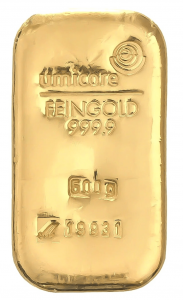
A gold bar does not pay a dividend.
A tube of silver Britannias will not generate interest.
Unlike shares, bonds or property, physical precious metals do not produce an income simply because you own them. Your financial return depends primarily on the price at which you eventually sell compared with the total cost of buying and owning the metal.
For an investor seeking regular income, that is an obvious disadvantage.
It is also one of the reasons physical precious metals are generally better considered as part of a diversified portfolio rather than as a replacement for every other investment.
Gold and silver are sometimes described as ‘safe’ investments, but that description needs context.
Owning the physical metal removes some risks associated with companies and financial intermediaries. It does not remove price risk.
Gold prices can fall, sometimes significantly, and silver has historically tended to experience even greater price volatility.
Investors should therefore never assume that buying precious metals guarantees a profit or that prices will rise simply because inflation, geopolitical uncertainty or economic instability exists.
Timing can matter, but attempting to trade every short-term movement in the market can create problems of its own. For most physical bullion investors, a longer investment horizon is generally more appropriate.
If gold is trading at a particular price per ounce, that does not mean you can necessarily buy a physical one-ounce coin for exactly that amount.
Physical bullion has to be refined, manufactured, transported, insured, stored and sold. Dealers therefore charge a premium above the underlying metal price.
When you eventually sell, there will also normally be a difference between the price at which a dealer sells bullion and the price at which they buy it back.
This buy-sell spread means the underlying metal price generally needs to rise before an investor makes a profit.
Premiums can vary considerably between products. Buying efficiently is therefore an important part of physical precious metals investment.
Electronic investments can sit in an investment account. A physical gold or silver portfolio has to sit somewhere in the real world.
For small holdings, some investors choose secure home storage. Larger portfolios may make professional vault storage more attractive.
Both approaches have considerations.
Home storage requires appropriate security and potentially insurance, while professional vaulting normally carries an ongoing fee.
Silver creates an additional practical issue: space.
The same monetary value of silver is considerably larger and heavier than gold, so storing a substantial silver investment can require significantly more room.
Physical Gold offers secure delivery and professional storage for investors who would prefer not to keep their bullion at home.

Not everything made from gold or silver is a good investment simply because it contains precious metal.
Jewellery, heavily marketed commemorative products, proof coins and genuinely rare numismatic coins can all command substantial premiums above their intrinsic metal value.
There is nothing inherently wrong with paying a premium for craftsmanship, rarity or collectability – provided that is what you actually want.
But if your objective is principally to gain exposure to the underlying value of gold or silver, paying a large premium can create an unnecessary hurdle before your investment becomes profitable.
Mainstream bullion coins and bars will therefore often make more sense for investment-focused buyers.
The cheapest product is not automatically the best either. Tax treatment, divisibility, liquidity and eventual resale should all form part of the decision.
It sounds obvious, but there is an important difference between seeing the gold price rise on a screen and actually realising a profit.
Physical bullion needs to be sold.
That means finding a buyer, agreeing a price and, if the metal is held personally, arranging secure delivery or taking it to a dealer.
For recognised bullion products, this is generally straightforward, but it is still less instantaneous than clicking ‘sell’ in an investment account.
Thinking about your eventual exit before you buy can therefore save considerable trouble later.
Use our simple Portfolio tool to see what your budget could buy
Now for the ugly part.
Wherever valuable assets are bought and sold, there will unfortunately be people looking to exploit inexperienced buyers.
Counterfeit coins and bars exist, as do businesses selling precious metals at inflated prices or promoting unsuitable products using unrealistic claims about future returns.
Some warning signs are fairly obvious. Guaranteed profits, aggressive sales tactics and claims that gold or silver ‘cannot fall’ should immediately invite questions.
Others can be more difficult for a first-time investor to identify.
That is why choosing an established and reputable precious metals dealer matters.
Before handing over your money, check who you are buying from, how long they have been trading, whether pricing is transparent and whether they belong to relevant industry organisations.
Physical Gold is a member of the British Numismatic Trade Association (BNTA) and you can read more about our approach to quality assurance.
If you’re new to the market, our guide to choosing a reputable gold dealer provides a useful starting point.
We have deliberately focused this guide on the characteristics that physical gold and silver broadly share.
But the two metals are not interchangeable investments.
Gold is generally more compact to store and qualifying investment gold is VAT-exempt. Silver costs considerably less per ounce but requires more storage for an equivalent investment value, is generally subject to VAT when purchased in the UK and tends to experience greater price volatility.
Silver also has extensive industrial applications, which means its price can be affected by changes in industrial demand as well as investor sentiment.
Those differences can influence which metal – or combination of metals – is most appropriate for an individual investor.
Rather than repeating the comparison here, we’ve covered it in our dedicated guide: Gold vs Silver – Which is the Better Investment?
You cannot eliminate investment risk, but many of the practical drawbacks of physical precious metals can be reduced by making sensible decisions at the outset.
If your objective is investment rather than collecting, focus on recognised bullion products with competitive premiums.
Our ranges of gold coins and gold bars provide different options depending on investment size, flexibility and personal preference.
Silver investors can similarly choose between silver coins and silver bars.
Two products containing a similar amount of precious metal can have different tax implications.
For UK investors, CGT-exempt legal-tender coins can become particularly attractive where the portfolio has generated substantial gains.
Understanding VAT is also essential when considering silver.
Tax should therefore be considered before building the portfolio rather than only when the time comes to sell.
Ask yourself a simple question before buying:
How easy will this be to sell?
Recognised bullion products in useful denominations will generally appeal to a wider market than obscure or highly specialised products.
Smaller coins and bars can also provide flexibility because you can sell part of a holding without liquidating the whole investment.
Consider storage at the same time as the purchase.
If you intend to keep bullion at home, think seriously about security and insurance. If you would rather use professional vaulting, include the ongoing storage fee when assessing the total cost of ownership.
Price matters, but it should not be the only consideration.
You are buying a high-value physical asset. Authenticity, transparent pricing, secure delivery, customer service and the ability to sell your bullion again in the future all matter too.
A bargain stops being a bargain rather quickly if the gold doesn’t exist.
That depends entirely on why you are investing.
If you want an asset that produces regular income, physical gold and silver are unlikely to tick that box.
If you’re looking for a guaranteed short-term profit, they won’t do that either.
But if you want to diversify some of your wealth into tangible assets, reduce dependence on conventional financial markets and hold an internationally recognised store of value over the longer term, physical precious metals can have a useful role.
The important part is buying them for the right reasons.
Understand the costs. Choose the right products. Consider tax. Plan your storage. Think about how you will eventually sell.
And perhaps most importantly, don’t assume that simply buying something shiny automatically makes it a good investment.

Physical precious metals provide tangible ownership, can diversify an investment portfolio and have established international markets. Gold in particular has a long history as a store of value, while certain forms of physical gold and UK legal-tender bullion coins can also provide tax advantages for UK investors.
The main disadvantages are that physical precious metals do not produce income, prices can fall, buying and selling involves premiums and spreads, and the metal needs to be stored securely. Investors also need to choose products carefully to avoid paying unnecessarily high premiums.
Yes. Neither gold nor silver guarantees a profit. Precious metal prices fluctuate and investors also need to overcome the difference between their purchase and eventual sale price before making a return.
No. Physical bullion does not pay interest or dividends. Investors generally seek returns through an increase in the value of the metal over time.
Consider the dealer premium above the underlying metal price, the buy-sell spread, delivery and potentially storage and insurance. Silver investors should also consider VAT, which generally applies to physical silver purchased in the UK.
Recognised bullion coins and bars generally have an established resale market. Liquidity can vary according to the product, however, which is one reason investment-focused buyers often favour widely recognised coins and bars.
Qualifying investment gold is VAT-exempt, while certain UK legal-tender bullion coins – including gold Sovereigns and gold and silver Britannias – can be exempt from Capital Gains Tax for UK individuals. Read our full gold and silver tax guide before investing.
There is no universal answer. Gold and silver have different price characteristics, tax treatment, storage requirements and market drivers. Some investors favour one metal while others hold both. Our gold vs silver investment guide compares the two in detail.

The right precious metals portfolio will depend on your objectives, investment size, attitude to risk and tax position.
At Physical Gold, we help investors understand their options rather than simply pointing them towards the most expensive product.
You can explore our ranges of investment gold and investment silver, or contact our precious metals team to discuss your requirements.
You can also download our FREE Insider’s Guide to Tax Efficient Gold and Silver Investing for more information on structuring a precious metals portfolio efficiently.
Call us on 020 7060 9992 to speak to a member of the Physical Gold team.

Live Gold Spot Price in Sterling. Gold is one of the densest of all metals. It is a good conductor of heat and electricity. It is also soft and the most malleable and ductile of the elements; an ounce (31.1 grams; gold is weighed in troy ounces) can be beaten out to 187 square feet (about 17 square metres) in extremely thin sheets called gold leaf.
Live Silver Spot Price in Sterling. Silver (Ag), chemical element, a white lustrous metal valued for its decorative beauty and electrical conductivity. Silver is located in Group 11 (Ib) and Period 5 of the periodic table, between copper (Period 4) and gold (Period 6), and its physical and chemical properties are intermediate between those two metals.


