
How to Buy Gold Coins in the UK: A Complete Guide
03/11/2026Daniel Fisher

Accumulate gold coins on a regular basis for home delivery or storage.
Let our experts hand-pick a gold investment portfolio for you.
Free & fully insured UK Delivery. Learn more

Secure & flexible payments. Learn more

Buyback Guarantee Learn more

A cost-effective way to buy silver bullion with off-shore storage
Let our experts hand-pick a silver investment portfolio for you.
Free & fully insured UK Delivery. Learn more
Secure & flexible payments. Learn more
Buyback Guarantee Learn more
Free & fully insured UK Delivery. Learn more
Secure & flexible payments. Learn more
Buyback Guarantee Learn more


Accumulate gold coins on a regular basis for home delivery or storage.
Let our experts hand-pick a gold investment portfolio for you.
A cost-effective way to buy silver bullion with off-shore storage
Let our experts hand-pick a silver investment portfolio for you.
Free & fully insured UK Delivery. Learn more
Secure & flexible payments. Learn more
Buyback Guarantee Learn more
Free & fully insured UK Delivery. Learn more
Secure & flexible payments. Learn more
Buyback Guarantee Learn more
Buying gold coins is one of the most accessible ways to invest in physical gold. Whether you’re purchasing your first coin or building a substantial precious metals portfolio, understanding which coins to choose, how much to pay and where to buy can make a significant difference to your investment.
For UK investors, gold coins offer several advantages. They provide direct ownership of a tangible asset, can be bought in a range of sizes and, in the case of qualifying British legal-tender coins, offer valuable tax benefits.
However, not all gold coins represent equally good value. Premiums, gold content, liquidity and potential resale prices can vary considerably.
This guide explains how to buy gold coins in the UK, which coins are worth considering in 2027, and the practical steps you can take to make an informed purchase.

Discover how to buy gold coins in the UK, including Britannias and Sovereigns, and understand premiums, tax benefits and investment options.
Gold has been valued for thousands of years, both as a form of money and a store of wealth. Today, investors commonly buy physical gold to diversify their portfolios, reduce reliance on financial assets and gain exposure to an internationally traded precious metal.
Unlike shares or bonds, physical gold coins do not depend on a company’s profitability or promise of repayment. Their underlying value is primarily determined by the gold they contain.
There are four particularly compelling reasons to consider gold coins.
Gold can behave differently from equities, bonds and property, potentially helping diversify an investment portfolio. However, gold prices can fluctuate significantly, and diversification does not guarantee protection against losses.
Gold is internationally priced, predominantly in US dollars. For UK investors, movements in sterling can influence the domestic gold price.
Although gold has historically preserved purchasing power over some extended periods, it does not consistently outperform inflation over shorter timescales.
Gold coins are available in different denominations, allowing investors to sell part of their holdings rather than liquidating an entire investment.
For example, an investor holding several Sovereigns could sell two or three coins while retaining the remainder.
Qualifying investment gold coins are exempt from UK VAT. In addition, certain British legal-tender gold coins, including Britannias and Sovereigns, are exempt from Capital Gains Tax for individual UK investors.
We explain these distinctions in more detail later in this guide.
For investors seeking a broader understanding of gold’s role in a portfolio, our gold investment FAQs address many common questions.
Buying gold coins needn’t be complicated. Following a structured process can help you avoid common mistakes, particularly if you’re purchasing physical gold for the first time.
Start by establishing your investment budget and how gold fits into your overall financial position.
Gold does not generate dividends or interest, so it is generally better suited to investors who can hold it without needing immediate access to their money.
Consider whether you want to make a single purchase or gradually build your holdings.
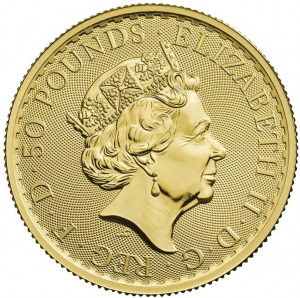
For most UK investors, Gold Britannias and Gold Sovereigns are sensible starting points.
Both are widely recognised, have established secondary markets and benefit from favourable UK tax treatment.
Foreign bullion coins, including Krugerrands, Maple Leafs and American Eagles, are also popular but generally do not offer the same UK Capital Gains Tax exemption.
Larger gold coins often offer lower premiums relative to their gold content, while smaller coins provide greater flexibility when selling.
A 1oz Britannia may appeal to someone seeking a competitive price per gram, whereas Sovereigns or fractional Britannias can be useful for investors wanting smaller individual holdings.
The price of a gold coin consists of its underlying gold value plus a dealer premium.
Compare the total cost, including any delivery or storage charges, rather than focusing solely on the advertised premium.
Where available, quantity discounts can reduce the effective premium when purchasing multiple coins.
Look for an established specialist dealer with transparent pricing, clear delivery and storage arrangements, a verifiable trading history and an understandable buyback process.
Be cautious about private marketplace purchases, particularly where authenticity cannot be independently verified.
Decide whether you want your coins delivered or held in professional vault storage.
If storing gold at home, consider security, insurance and accessibility.
Retain purchase confirmations, invoices and relevant documentation.
Understanding how your dealer calculates buyback prices can help you assess the total cost of ownership and make better decisions when selling.
Ready to start? Explore our range of gold coins to compare available options.

Follow these seven practical steps to buy gold coins confidently, from choosing Britannias or Sovereigns to comparing premiums and arranging secure storage.
Free insider's cheat sheet for successful gold investing
The best gold coin depends on what you want to achieve.
Some investors prioritise low premiums and maximum gold content. Others value smaller denominations, tax efficiency or the potential for collectable appreciation.
For most UK investors buying gold primarily for its metal value, Britannias and Sovereigns deserve particular consideration.
Our Gold Britannia versus Gold Sovereign comparison explores their differences in greater detail.
The following table summarises the main options.
Both coins are produced by The Royal Mint and are among the most popular choices for UK bullion investors.
The key differences are their size, purity, history and typical purchase premiums.
Modern Gold Britannias are struck in 999.9 fine gold, making them 24-carat bullion coins.
The standard 1oz Britannia contains one troy ounce (31.1035g) of pure gold. Fractional versions are also available in 1/2oz, 1/4oz and 1/10oz denominations.
Britannias are particularly attractive to investors seeking recognised bullion coins with competitive premiums.
The 2027 Britannia range also offers buyers the opportunity to purchase current-year coins, including the anniversary editions.
Browse our Gold Britannia coins to compare the latest issues and available denominations.
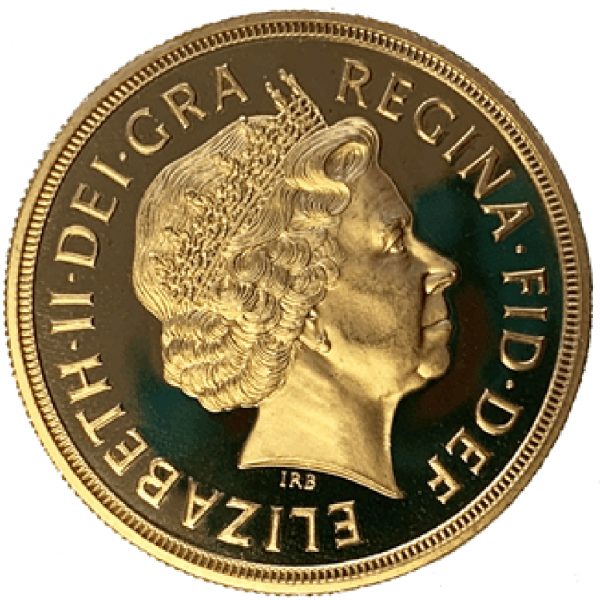
Gold Sovereigns have a much longer history, with the modern Sovereign dating back to 1817.
A standard full Sovereign weighs approximately 7.98g and contains around 7.32g of pure gold.
Unlike modern Britannias, Sovereigns are struck in 22-carat gold, with the remaining alloy contributing to their durability.
Their smaller size makes them particularly useful for investors wanting to divide their holdings into manageable amounts.
Both new and pre-owned Sovereigns are available, including coins from previous monarchs.
If your priority is buying larger quantities of gold at a competitive premium, 1oz Britannias may be particularly attractive.
If you value divisibility and the flexibility to sell smaller amounts, Sovereigns may be preferable.
Many investors choose a combination of the two.

Compare the sizes, weights and gold content of Britannias and Sovereigns to help choose the right gold coins for your investment.
Gold coin sizes affect affordability, premiums and selling flexibility.
The smaller the denomination, the less gold you need to purchase in a single transaction. However, manufacturing and distribution costs generally mean that smaller coins attract higher premiums relative to their gold content.
The figures represent approximate fine-gold content, not necessarily total coin weight.
An investor holding ten Sovereigns can sell a portion of their gold without disposing of the entire holding. Someone holding a single larger coin has less flexibility.
However, buying many small coins can increase the total premium paid.
The objective is to find the balance between purchase cost and the flexibility you may need later.
One of the most effective ways to reduce the cost of buying gold coins is to consider pre-owned bullion.
New coins generally carry a premium reflecting current production, distribution and demand.
Pre-owned coins can often be purchased at a lower premium, particularly when the year or design is not important.
For investors focused on gold content rather than collectability, this can make pre-owned bullion especially attractive.
Best Value coins are generally selected according to available stock rather than a particular year.
They offer investors the opportunity to buy recognised bullion coins without paying extra to obtain the latest issue.
For example, a pre-owned Britannia containing one troy ounce of fine gold has the same underlying gold content as a new 1oz Britannia.
Although resale prices can vary according to market demand, age, condition and coin type, the underlying metal value remains the same.
This makes Best Value Gold Coins worth considering for investors seeking competitive premiums.
New coins may appeal to investors who want a particular issue year or design, the latest Royal Mint security features, or a coin intended as a gift.
However, paying more for a particular year does not guarantee a higher resale value.
For investors who would prefer an expert-selected option, Physical Gold’s Director’s Pick provides another route to choosing bullion.
Rather than selecting coins solely by their year or appearance, investors can explore products chosen with value and investment suitability in mind.
This may be particularly useful for buyers who want to compare competitively priced options without researching every available coin individually.

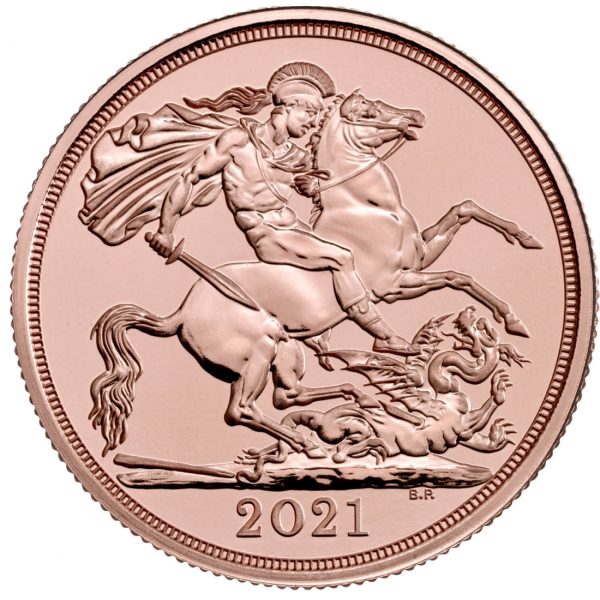
When buying gold coins, understanding the difference between the gold price and the dealer’s selling price is essential.
A premium is the amount charged above the underlying value of the gold contained in the coin.
It covers costs associated with manufacturing, sourcing, distribution, security and the dealer’s margin.
For example, if the underlying gold value of a coin were £3,000 and the dealer sold it for £3,150, the premium would be £150, or 5%.
The premium varies according to coin type, size, availability and demand.
Smaller coins generally carry higher percentage premiums because their manufacturing and handling costs are spread across less gold.
For a more detailed explanation, including the factors that influence premiums across different bullion products, read our guide to gold coin premiums.
Yes. Some dealers, including Physical Gold, offer lower unit prices when customers purchase larger quantities of certain coins.
Buying several Sovereigns or Britannias in one transaction may therefore reduce the premium compared with buying each coin separately.
However, quantity discounts vary by product and order size. Always compare the final price per gram of fine gold.
The selling spread is the difference between the price you pay to buy a coin and the price a dealer is prepared to pay to buy it back.
For example:
| Illustrative transaction | Amount |
| Underlying gold value | £3,000 |
| Purchase price (5% premium) | £3,150 |
| Dealer buyback price (4% below spot) | £2,880 |
| Difference between buying and selling | £270 |
In this example, the investor would need the gold price or the dealer’s buying terms to improve sufficiently to recover the initial difference.
The figures are illustrative, not live quotations. They assume an unchanged spot price between purchase and sale.
This is why choosing lower-premium coins can be important for long-term investment returns.

Understanding gold coin premiums, dealer buyback prices and quantity discounts can help UK investors minimise purchasing costs and make more informed investment decisions.
Tax treatment is one of the most important considerations when choosing between different gold coins.
However, VAT exemption and Capital Gains Tax exemption are two separate rules.
Qualifying investment gold coins are exempt from UK VAT.
The relevant rules generally cover qualifying gold coins minted after 1800 with a purity of at least 900 thousandths, that are or have been legal tender in their country of origin and normally sell within the statutory gold-value threshold. Certain coins specifically listed by HMRC also qualify.
This means many popular bullion coins, including Britannias, Sovereigns, Krugerrands and Maple Leafs, can be purchased without UK VAT.
Not every collectable or proof coin automatically qualifies.
The detailed rules are set out in HMRC’s investment gold coin guidance.
Gold Britannias and qualifying post-1837 Sovereigns are exempt from UK Capital Gains Tax because they are sterling legal-tender currency.
This means individual UK investors can generally sell these coins without paying CGT on any increase in value.
Foreign bullion coins, such as Krugerrands and Maple Leafs, generally do not benefit from this exemption.
HMRC confirms the treatment of Britannias, Sovereigns and foreign currency coins in its Capital Gains Manual.
Individual circumstances, ownership structures and the nature of a transaction can affect tax treatment.
For a fuller explanation of the rules and how they can influence investment decisions, read our guide to the tax implications of gold and silver for investors.
Gold coins can be purchased from specialist bullion dealers, jewellers, auction houses and private sellers.
However, not every purchasing route offers the same level of protection.

Established bullion dealers generally provide a wider selection of investment coins, transparent pricing and established procedures for checking authenticity.
They may also offer insured delivery, secure storage and buyback services.
Physical Gold offers UK investors a range of new and pre-owned bullion coins.
You can browse available gold coins and compare denominations before purchasing.
Some jewellers sell bullion coins, particularly Sovereigns.
This can be convenient for customers who prefer purchasing in person, although selection and pricing may be more limited.
Compare premiums carefully and establish whether the jeweller specialises in bullion trading.
Private sales and online marketplaces occasionally offer competitive prices, but buyers may face greater authenticity, delivery and payment risks.
Counterfeit bullion coins can be difficult to identify without appropriate testing equipment and experience.
For inexperienced investors, the apparent saving may not justify the additional risk.
Before purchasing, check the dealer’s trading history, company details, independent customer reviews, delivery arrangements and buyback terms.
Be cautious of claims promising guaranteed returns, unusually low prices or pressure to make an immediate payment.
A reputable dealer should explain both the benefits and risks of owning physical gold.
FREE tips for keen investors
There is no consistently reliable way to identify the perfect time to buy gold.
Gold prices respond to several factors, including interest rates, inflation expectations, geopolitical events, central bank demand and currency movements.
For UK buyers, changes in the pound against the US dollar can also affect the sterling gold price.
Some investors prefer making a single purchase when they believe gold offers good value. Others spread their purchases over time to reduce the risk of committing their entire budget at one price.
Purchasing gold coins periodically can help reduce the impact of short-term price fluctuations on the average entry price.
However, this approach does not guarantee a profit and can result in repeated transaction premiums.
Gold often attracts investment demand during periods of financial or geopolitical uncertainty.
However, the price may already reflect those concerns, and gold can still fall in value during market stress.
Rather than trying to predict short-term price movements, consider your investment objectives, holding period and willingness to accept volatility.
For a more detailed discussion of market timing, price movements and buying strategies, read our guide to when to buy gold.
You can also monitor current prices using our live UK gold price chart.
Once you’ve purchased gold coins, the next decision is where to keep them.
Keeping gold at home provides direct access and control.
However, security and insurance need careful consideration.
A suitable safe, discreet storage arrangements and confirmation of insurance cover can help reduce the risks.
Standard household insurance policies may impose limits on precious metals.
Specialist vault storage offers an alternative for investors who prefer not to keep substantial quantities of gold at home.
Physical Gold offers secure storage arrangements, with annual gold storage charges of 1% of the gold’s purchase cost plus VAT, subject to the applicable terms.
Before choosing any storage provider, understand the arrangements for ownership, insurance, access, audits and eventual withdrawal or sale.
If you’re weighing up the benefits of keeping your gold at home against professional vaulting, our guide to gold storage or delivery explores the practical considerations.
Bullion coins should be handled carefully to avoid unnecessary marks or damage.
Protective capsules or tubes can help preserve their condition.
Although the intrinsic gold content remains the primary source of value for ordinary bullion coins, condition may influence resale prices, particularly for collectable examples.
Buying gold is only part of the investment process. Understanding how you will eventually sell is equally important.
Gold Britannias and Sovereigns have established secondary markets, making them familiar to many UK bullion dealers.
However, the amount offered will depend on the current gold price, coin type, condition, market demand and dealer buying terms.
Before selling, obtain a clear quotation and establish whether any additional charges apply.
You may also want to consider selling only part of your holdings, particularly if you own smaller denominations.
This is one of the advantages of building a portfolio containing multiple Sovereigns or fractional Britannias.
For further information, see our guide to selling Gold Britannia coins.
Both gold coins and gold bars provide direct exposure to physical gold, but they offer different advantages.
Gold bars, particularly larger denominations, can offer lower premiums per gram.
Gold coins provide additional flexibility because they are available in smaller units, and qualifying British legal-tender coins offer valuable CGT advantages.
Neither is automatically the better investment.
For UK investors, a combination of coins and bars can sometimes provide a balance between purchase efficiency and future flexibility.
If you’re considering bars as an alternative, our guide to buying gold bars in the UK explains how to compare bar sizes, premiums, refiners and buying options.
Gold Britannias and Gold Sovereigns are popular choices because of their recognition, established secondary markets and UK tax advantages. The best choice depends on your budget, desired denominations and purchase premiums.
There is no fixed minimum investment. Fractional gold coins and Half Sovereigns provide smaller purchase options than full-ounce coins, although smaller denominations often carry higher percentage premiums.
Gold coins can offer greater selling flexibility and, for qualifying UK legal-tender coins, CGT advantages. Larger gold bars may offer lower premiums per gram. The right choice depends on your investment objectives.
Pre-owned bullion coins can offer excellent value when their premiums are lower than those of equivalent new coins. The underlying gold content remains the same, although condition and collectability may affect resale prices.
Gold coin values generally follow movements in the underlying gold price, although premiums and collectable demand can also influence prices. Gold can rise or fall in value, and returns are not guaranteed.
Qualifying investment Gold Sovereigns are VAT-exempt. Post-1837 Sovereigns that remain sterling legal tender are also exempt from UK Capital Gains Tax for individual investors.
Yes. Many bullion dealers buy back recognised gold coins. The price offered will depend on the gold price, coin type, condition and the dealer’s prevailing buying terms.
Both approaches have advantages. Buying all at once provides immediate exposure to the gold price, while spreading purchases over time can reduce the impact of short-term price movements on the entry price. Neither guarantees better returns.
Gold coins can be a useful addition to a diversified investment portfolio, particularly for UK investors who value physical ownership, tax efficiency and the flexibility to sell smaller amounts.
The key is to choose coins that match your objectives rather than simply buying the newest or most expensive issues.
For many investors, Gold Britannias and Sovereigns offer an attractive combination of recognition, liquidity and favourable tax treatment.
Comparing premiums, considering pre-owned coins and understanding selling spreads can help you make more informed decisions.
At Physical Gold, we help UK investors compare different gold coins and choose suitable options for their budgets and objectives.
Explore our full range of gold coins or contact our team to discuss your options.

Share this post on:


Latest Posts:
Live Gold Spot Price in Sterling. Gold is one of the densest of all metals. It is a good conductor of heat and electricity. It is also soft and the most malleable and ductile of the elements; an ounce (31.1 grams; gold is weighed in troy ounces) can be beaten out to 187 square feet (about 17 square metres) in extremely thin sheets called gold leaf.
Live Silver Spot Price in Sterling. Silver (Ag), chemical element, a white lustrous metal valued for its decorative beauty and electrical conductivity. Silver is located in Group 11 (Ib) and Period 5 of the periodic table, between copper (Period 4) and gold (Period 6), and its physical and chemical properties are intermediate between those two metals.