What is the Silver Spot Price?
26/08/2026Daniel Fisher

Accumulate gold coins on a regular basis for home delivery or storage.
Let our experts hand-pick a gold investment portfolio for you.
Free & fully insured UK Delivery. Learn more

Secure & flexible payments. Learn more

Buyback Guarantee Learn more

A cost-effective way to buy silver bullion with off-shore storage
Let our experts hand-pick a silver investment portfolio for you.
Free & fully insured UK Delivery. Learn more
Secure & flexible payments. Learn more
Buyback Guarantee Learn more
Free & fully insured UK Delivery. Learn more
Secure & flexible payments. Learn more
Buyback Guarantee Learn more


Accumulate gold coins on a regular basis for home delivery or storage.
Let our experts hand-pick a gold investment portfolio for you.
A cost-effective way to buy silver bullion with off-shore storage
Let our experts hand-pick a silver investment portfolio for you.
Free & fully insured UK Delivery. Learn more
Secure & flexible payments. Learn more
Buyback Guarantee Learn more
Free & fully insured UK Delivery. Learn more
Secure & flexible payments. Learn more
Buyback Guarantee Learn more
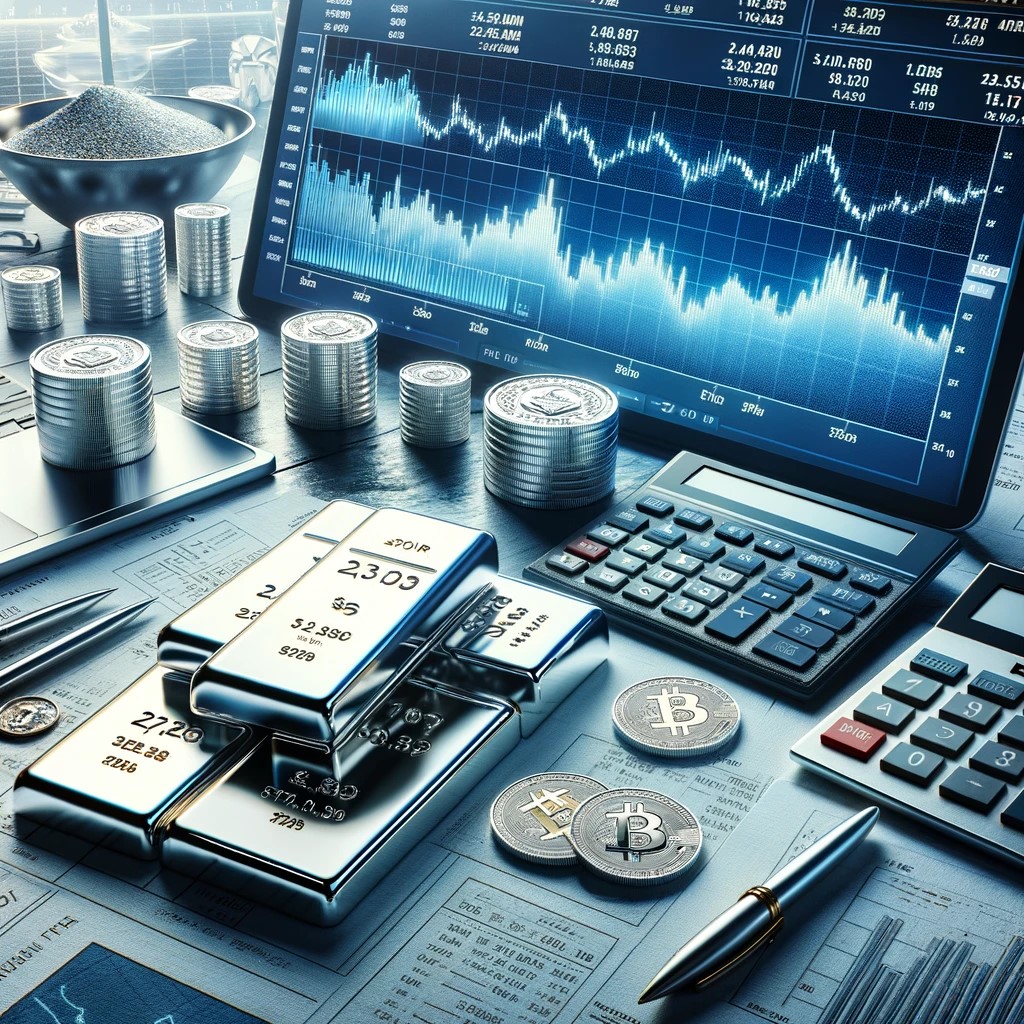
The silver spot price is the live market price used as the benchmark for valuing silver around the world. Whether you’re considering buying physical silver, selling existing holdings or simply tracking the market, understanding the spot price helps explain how silver products are priced.
However, the spot price isn’t necessarily the price you’ll actually pay for a silver coin or bar. Physical silver products are normally bought at a premium to the spot price, reflecting factors such as manufacturing, distribution, dealer margins and the particular product being purchased.
In this guide, we explain what the silver spot price is, how it is determined, what causes it to move and how it relates to the price of physical silver.
There are essentially four types of silver price available;
Here, we specifically look at the spot silver price. We cover the silver fix, silver futures, and buy/sell prices in other articles.
The silver spot price represents the current market price of silver at a particular point in time. It is the live benchmark price used as the basis for valuing silver for immediate settlement and changes continually while the global precious-metals markets are trading.
The term “spot” in spot price refers to transactions that occur on the spot or immediately. Unlike silver futures, which are contracts based on future delivery, the spot price reflects the current supply and demand dynamics of the silver market at that moment.
The silver spot price is continuously updated throughout the trading day, reflecting the most recent market conditions and fluctuations in supply and demand. This real-time nature ensures that investors and traders have access to the most current pricing information, allowing for timely decision-making and trade execution.
The silver price’s relative volatility means that depending on one fixed price isn’t accurate or feasible. The up-to-the minute nature of the spot price enables participants to obtain the very latest prices, whether they’re looking to buy, sell, or simply value their silver.
The prices consumers pay for physical silver are based on the spot price plus a premium. The premium varies according to the type of product, its size, manufacturing costs, availability and the quantity purchased.
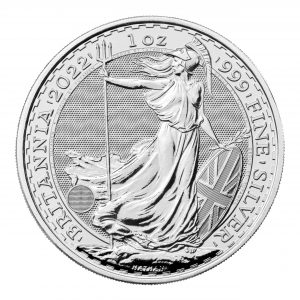
For example, the live prices of Physical Gold’s silver coins and silver bars move in response to changes in the underlying silver price.
Free ultimate guide for keen precious metals investors
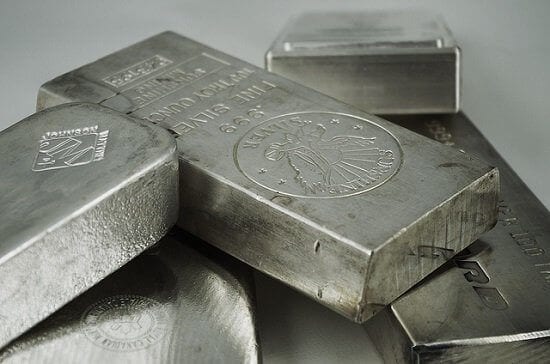
There is no single organisation that simply decides the global silver spot price. Instead, it reflects trading activity across the international precious-metals markets, with prices influenced by futures markets, wholesale physical trading, supply and demand, currencies and market sentiment.
As these factors change, the spot price moves to reflect the price at which market participants are willing to buy and sell silver.
One important influence is the balance between silver supply and demand. Demand comes from several sources, including industrial uses for silver, jewellery, investment in physical silver and other applications. On the supply side, mine production and recycled silver contribute to the amount of metal available to the market.
Market sentiment and speculation play a significant role in determining the silver spot price. Traders and investors assess various economic indicators, geopolitical tensions, and other market signals to anticipate future price movements. This sentiment-driven speculation can lead to short-term fluctuations in the spot price as market participants react to news and events, even if they don’t directly impact supply and demand fundamentals.
Futures trading on major exchanges such as COMEX plays an important role in silver price discovery. Futures contracts allow market participants to buy and sell silver for delivery at a future date, and activity in these markets contributes to the prices used as reference points across the global silver market.

The LBMA Silver Price provides an important benchmark for the global wholesale silver market. It is established through an electronic auction and provides market participants with a transparent reference price for silver.
This benchmark is particularly useful for larger commercial transactions where even relatively small movements in the silver price can have a significant impact on transaction values.
Clearly, global participants need to be able to buy and sell silver with their own currency, meaning silver spot prices need to be available in various key currencies. The comparative value of world currencies will add another layer of impact on the quoted silver spot price.
Because silver is internationally traded, exchange-rate movements affect the price seen by investors using different currencies. A movement in sterling against the US dollar, for example, can cause the silver price in pounds to behave differently from the dollar-denominated silver price.
Interest rates can also affect precious-metal prices through their influence on currencies, investor sentiment and the relative attraction of non-interest-bearing assets.
Our automated portfolio builder will provide suggestions based on various investments objectives
The silver spot price serves as a crucial reference point for various participants in the precious metals market. It’s an invaluable measure for investors, miners, manufacturers, and traders to assess the value of silver and make informed decisions regarding buying, selling, or investing in silver.
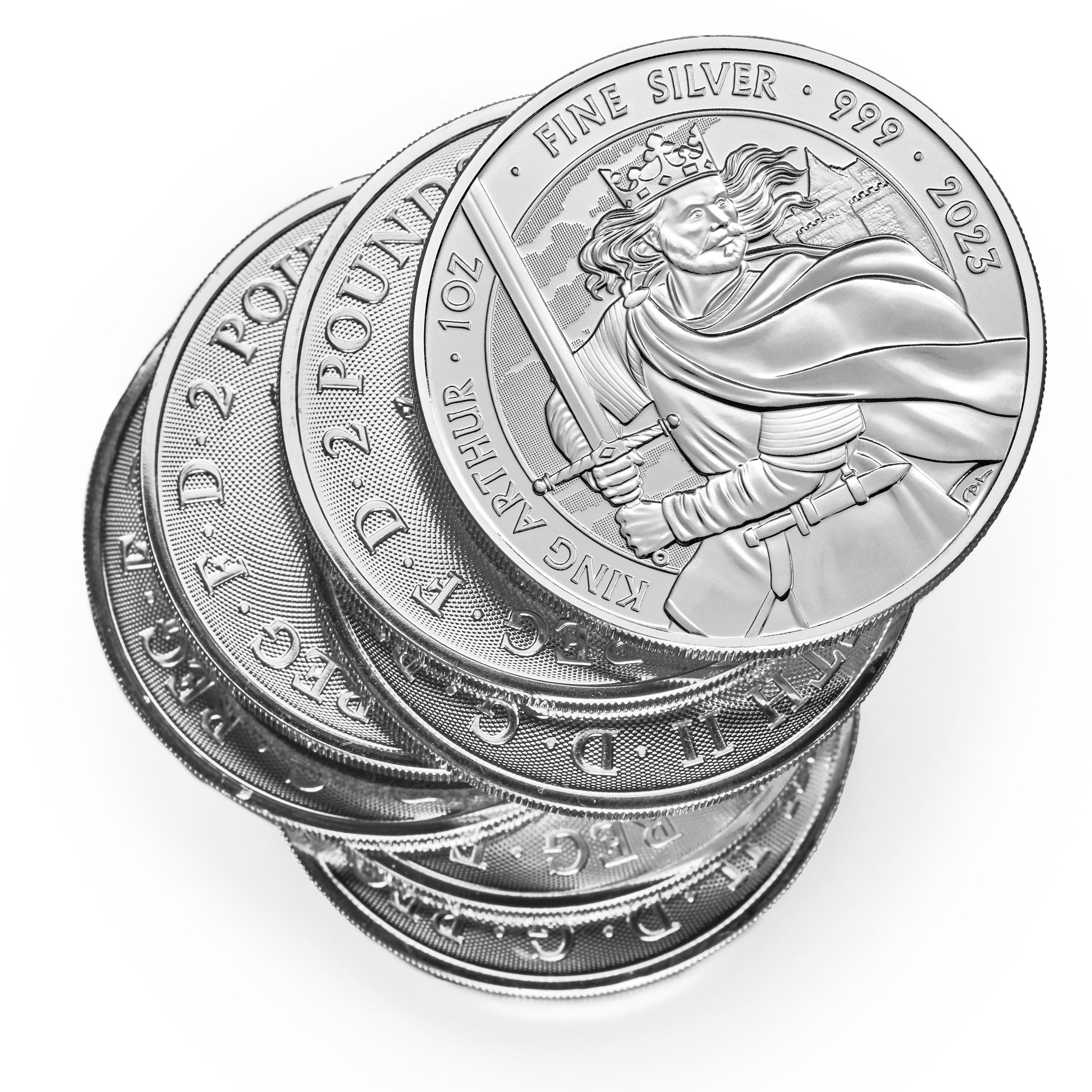
It’s important to understand that the spot price is a benchmark rather than the exact retail price of physical silver. When buying silver bars or silver coins, the price will generally include a premium above spot. This can reflect refining and manufacturing costs, distribution, product availability, dealer margin and other factors.
The price offered when selling silver may also differ from the prevailing spot price, depending on the product, quantity and market conditions.
Miners and manufacturers rely on the silver spot price to manage production and pricing strategies. For silver miners, the spot price influences decisions on whether to increase or decrease production levels based on market conditions. Manufacturers, on the other hand, use the spot price to calculate the cost of raw materials and adjust pricing for finished goods accordingly. By aligning production and pricing with the spot price, miners and manufacturers can optimize profitability and mitigate risks in the volatile silver market.
The silver spot price is also integral to the functioning of financial markets, where it serves as a benchmark for pricing various silver-related contracts and financial instruments. Futures contracts, options, and exchange-traded funds (ETFs) tied to silver often use the spot price as a reference point for setting contract prices and valuing underlying assets. This allows traders and investors to speculate on silver price movements and hedge against price risks, contributing to market liquidity and efficiency.
Gone are the days of rifling through the Financial Times in an attempt to know the current silver price. These days, checking the spot price of silver is relatively straightforward, thanks to the accessibility of information in today’s digital age.
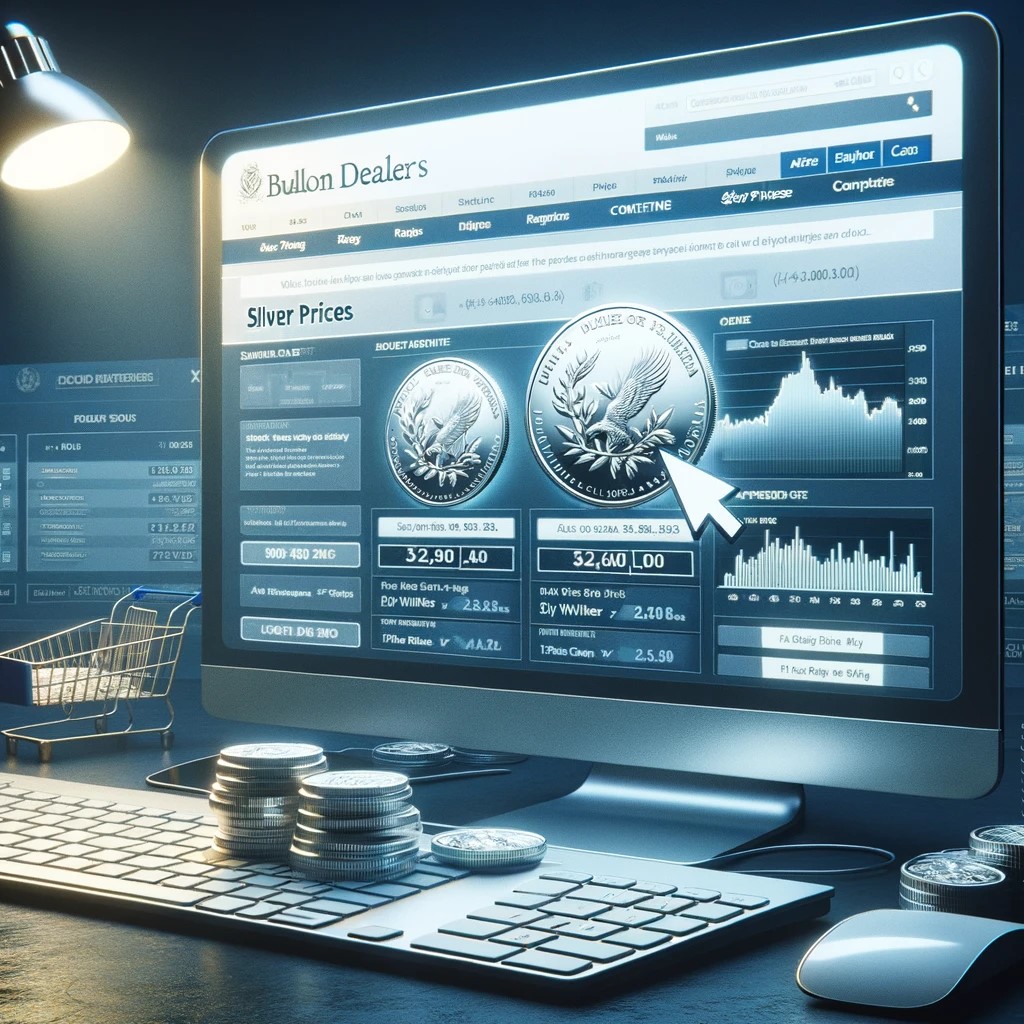
The easiest way to check the current silver spot price is through a live precious-metals price chart. Prices update throughout the trading day, allowing you to see both the current price and recent market movements.
Physical Gold’s live silver price chart displays the silver price in pounds and provides historical price information for comparison.
Many precious metals mobile apps are available for smartphones and tablets, offering convenient access to silver spot prices on the go. These apps often provide customizable alerts and notifications, allowing users to set price thresholds and receive updates when silver prices reach specified levels.
With the tap of a finger, users can check the current spot price of silver and monitor market movements wherever they are, empowering them to make timely decisions regarding silver investments or transactions.
Silver is traded across global markets, so price discovery takes place for most of the day from Monday to Friday. Trading moves between major financial centres including Asia, London and New York, with brief interruptions depending on the exchange or trading platform.
While spot silver trading technically operates around the clock, there are periods of higher activity and liquidity known as trading sessions. The most active trading sessions for spot silver occur when major financial markets overlap, such as the European and American trading sessions (London afternoon). During these times, trading volumes tend to be higher, and price movements may be more pronounced, presenting opportunities for investors and traders to execute trades at favourable prices.
It’s important to note that while spot silver trading is continuous, some exchanges may have brief periods of downtime for maintenance or other operational reasons. Additionally, trading hours may vary during holidays or other market disruptions. As such, individuals interested in trading spot silver should consult the specific trading hours of the exchange or platform they plan to use to ensure they can participate in the market at the desired times.

Understanding the spot price makes it easier to compare the price of physical silver products and the premiums charged above the underlying metal value.
Physical Gold offers a range of silver coins and silver bars for UK investors. You can also browse our wider silver investment range or contact the team on 020 7060 9992 with questions about the products available.
The silver spot price changes continually while global precious-metals markets are trading. Check our live silver price chart for the latest silver price in pounds.
UK investors will usually view the silver spot price in pounds sterling per troy ounce. Because one troy ounce equals approximately 31.1035 grams, the price per gram can be calculated from the price per troy ounce. View the current price on our live silver price chart.
The silver spot price reflects trading across the global silver market and is influenced by factors including futures-market activity, physical supply and demand, investor sentiment, industrial demand, currencies and broader economic conditions.

Live Gold Spot Price in Sterling. Gold is one of the densest of all metals. It is a good conductor of heat and electricity. It is also soft and the most malleable and ductile of the elements; an ounce (31.1 grams; gold is weighed in troy ounces) can be beaten out to 187 square feet (about 17 square metres) in extremely thin sheets called gold leaf.
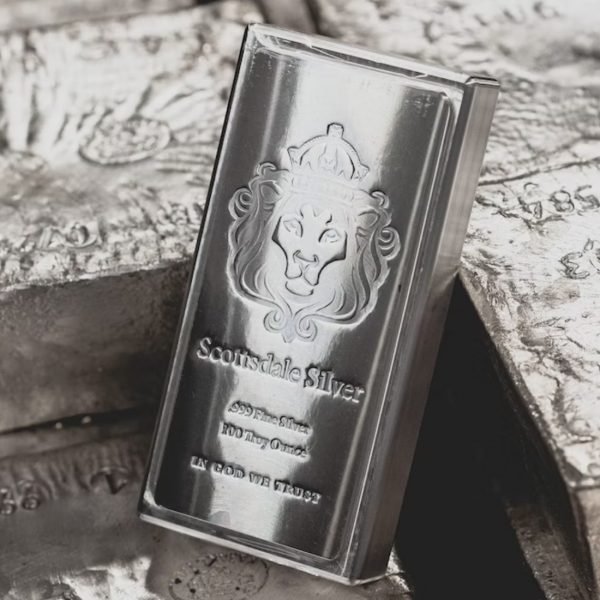
Live Silver Spot Price in Sterling. Silver (Ag), chemical element, a white lustrous metal valued for its decorative beauty and electrical conductivity. Silver is located in Group 11 (Ib) and Period 5 of the periodic table, between copper (Period 4) and gold (Period 6), and its physical and chemical properties are intermediate between those two metals.


