
8 Proven Techniques to Check if a Coin is Counterfeit
13/07/2023Daniel Fisher

Accumulate gold coins on a regular basis for home delivery or storage.
Let our experts hand-pick a gold investment portfolio for you.
Free & fully insured UK Delivery. Learn more

Secure & flexible payments. Learn more

Buyback Guarantee Learn more

A cost-effective way to buy silver bullion with off-shore storage
Let our experts hand-pick a silver investment portfolio for you.
Free & fully insured UK Delivery. Learn more
Secure & flexible payments. Learn more
Buyback Guarantee Learn more
Free & fully insured UK Delivery. Learn more
Secure & flexible payments. Learn more
Buyback Guarantee Learn more


Accumulate gold coins on a regular basis for home delivery or storage.
Let our experts hand-pick a gold investment portfolio for you.
A cost-effective way to buy silver bullion with off-shore storage
Let our experts hand-pick a silver investment portfolio for you.
Free & fully insured UK Delivery. Learn more
Secure & flexible payments. Learn more
Buyback Guarantee Learn more
Free & fully insured UK Delivery. Learn more
Secure & flexible payments. Learn more
Buyback Guarantee Learn more
If you’re going to invest in silver or gold coins, you’ll need to ensure they’re the genuine article. But how can you tell if a coin is nothing more than a convincing counterfeit?
It’s important to understand why fake coins exist, which type of counterfeits to be aware of, and crucially how to spot a coin copy before it’s too late.
Here are eight techniques to help you avoid being scammed.
Genuine coins can be used as currency to purchase goods or may have a high intrinsic value if made from a precious metal. Their inherent value attracts criminals as a direct means to profit through deception.
Since their first introduction 3,000 years ago, criminals have sought ways to exploit the use and value of coins for their own means. While coin production and detection has become increasingly sophisticated to deter counterfeiters, there will also be motivation to create and use fake coins. Understanding some of the reasons for counterfeit coins existing can be the first step to being equipped to spot a fake. Some of the common incentives to bogus coins are;
Very simply, producing imitation currency coins is a method of literally printing your own money! Coins can be used to make purchases or exchange for legitimate currency.
Counterfeiters may target collectors of rare coins, willing to pay ultra high premiums for difficult to source editions. This can be particularly lucrative due to the high value of the genuine article and passion and commitment of the coin enthusiast to pay it.
Criminality and counterfeit coins unfortunately exist in every corner of the world, but poorer countries with weak currencies are particularly prone to illegal coin reproductions. Economic instability leading to hyperinflation can create a scenario whereby a currency becomes almost completely devalued. Fabricating coins is a way to try and survive these periods and pay inflated prices.
Imitation coins can be used as a form of untraceable currency in illegal transactions. Criminal organisations wishing to avoid a money trail may use fake coins to fund their activities and avoid detection from authorities.
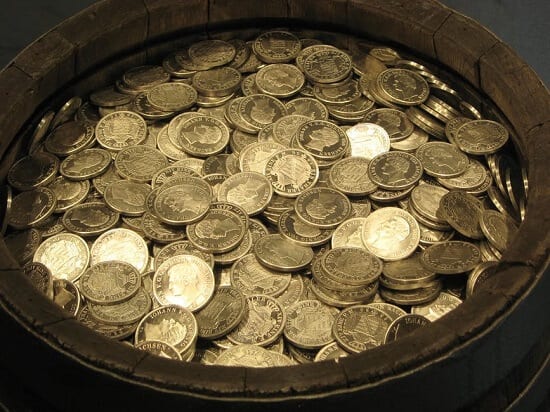
There are two main ways of fabricating phoney coins. Each method can create very convincing fakes.
This method uses metal discs which are ‘struck’ using dies onto metal planchets to physically stamp them. Struck counterfeits can be particularly difficult to detect as the striking method closely mimics the approach used by official mints to produce genuine coins. While the strike detail aims to closely replicate the real coins, the metal composition used will be compromised to dramatically reduce cost. Compromised image sharpness and detail can sometimes indicate a fake. Specific edge characteristics can be particularly difficult to reproduce such as a ridged finish (reeding) or lettering. More obviously, weight and size of the coin can vary from the authentic version.
This refers to imitation coins produced by pouring molten metal into a cast mold of the real coin. Like struck counterfeits, coins can lack some detail as the molds can struggle to capture the finer features of the design. Specific giveaways of cast fakes is that there can be telltale mold marks , which are lines or imperfections on the surface resulting from the casting process. Similarly, this method can lead to rough spots and uneven thickness when compared to struck forgeries.
Essential Rules To maximize Your Selling Price
Sourcing coins from a reputable and established specialist coin dealer will minimise risk. Most coin dealers will source new coins directly from Official Mints and have use equipment and the expertise of their team of numismatists to verify pre-owned coins are authentic. However, it’s always useful to know these 8 provide techniques to spot and test whether a coin is genuine.

Anyone who knows a little about precious metals will already be familiar with the fact that gold and silver do not interact with magnetic forces. This means that a high quality, genuine coin should remain unmoved if exposed to a magnet.
If a coin that is claimed to have a high gold or silver content is attracted to a magnet, then it is likely a counterfeit that contains more steel or iron than advertised.
It’s worth remembering that for this reason, some counterfeiters use other non-magnetic metals like copper and lead. This means the magnet test should be carried out alongside the other techniques if it proves inconclusive.
Even the best counterfeiters in the world make mistakes, and with a well-trained eye, you should be able to spot the difference between the real deal and a fake. This applies to counterfeits of mainstream coins as well as rare collectable coins for investment.
To do this most accurately, pick up a magnifying glass, or go a step further and invest in a specialised loupe used by jewellers to get a closer look at the surface.
If you don’t have a genuine coin to hand, find a high-resolution image of the coin online and use this to make your comparison. Don’t forget, not all genuine gold coins are hallmarked, so the omission of one doesn’t mean it’s a fake.
From modern silver Britannia coins to vintage gold half sovereigns, all high quality coins will have been struck consistently and only put into circulation if they adhere to strict standards for their dimensions and weight.
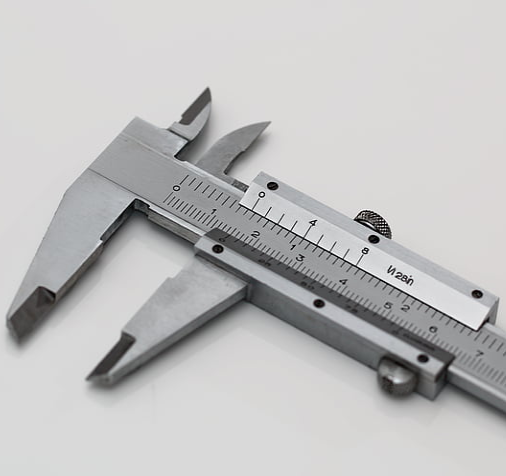
Because major mints are so reliable in these terms, spotting a fake coin is fairly easy. You just need a calliper and a set of electronic scales.
A standard set of kitchen scales will not offer sufficiently accurate measurements, so buy a scale that displays weights to at least two decimal places. Weigh the suspicious coin and if it is out of kilter with official figures by a significant margin, reject it.
Even a coin that is on the ball in terms of weight can still be a fake. By using a calliper to measure its depth and diameter, you will be able to spot any inconsistencies.
Counterfeiters find it almost impossible to create the perfect phoney coin which both weighs the same as the currency it is spoofing and also has the same dimensions. With the right kit, you can steer clear of dodgy deals.
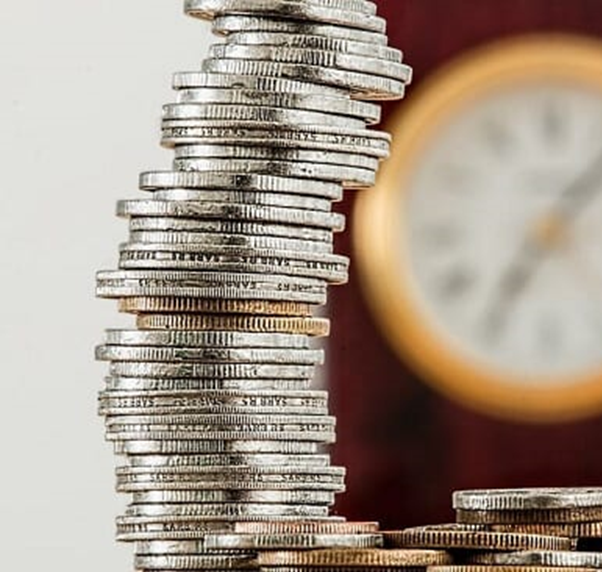
Another obvious sign that a coin is not of sound origin can be seen in the relief. Even small variations in the height of the relief can become apparent with a straightforward stacking test.
All you need to do is place the coin in a small stack with other examples of similar heritage. Real coins will stack neatly and remain stable, while fakes that are not struck with the same attention to detail or high-quality craftsmanship will teeter, totter and tumble over.
Identifying uneven relief height using this technique does require that you have access to real coins of the same age and denomination. This might limit its usefulness if you are new to investing in or collecting coins, but will help those who are expanding an existing hoard.
This technique is specific to gold and silver coins as a result of the properties of the metals and the noise that coins make when they collide with a hard surface.
Pinging is a straightforward test for valuable coins, as the sound produced by silver and gold as they hit a tabletop, or are struck against another coin, is unique. While coins made with lesser metals, including counterfeits, will sound dull when dropped, a genuine coin will ring out for longer and produce an unforgettable high-frequency sound.
Prepare yourself to scrutinise potential coin purchases by performing the ping test on a gold or silver coin you know to be genuine, or check audio examples online. That way you’ll have a fixed idea of what to listen out for later on.
Gold is a great conductor of heat, silver even more so. That means as soon as an ice cube comes in contact with the surface of a gold or silver coin, it will begin to turn back into liquid water.
If a coin is made of a less conductive and less valuable metal, this process will not begin as quickly. Try this test out with genuine gold and collectable silver coins to see what the reaction should look like.

This is a far more technically advanced test than the others covered so far, which makes it a little harder to recommend to the average coin investor. However, arming yourself with as much knowledge as possible is always a good thing, so understanding the specific gravity test will be helpful for everyone.
The specific gravity of gold and silver will be unique and thus different from that of other metals. You can calculate the expected relative density of a coin made of a precious metal, then test it in real time using a set of scales, a container and some distilled water.
Weigh the coin, then fill the container with the water and place it on the scales, before resetting the measurement to zero. Tie a small length of thread around the coin and slowly place it into the water until it is entirely beneath the surface, but not touching the bottom of the container. Take a note of the weight that has been added and then divide it by the ‘dry’ weight of the coin you took earlier.
For gold, the specific gravity you are looking for is 19.3 for a completely pure sample. For silver, it’s 10.49.
If you want to avoid all of the complications that come with trying to detect counterfeit coins under your own steam, the best option is to only buy from dealers that have a good reputation.
This isn’t just about avoiding first-hand contact with con artists, but also about building up a trusting relationship with a company like Physical Gold which you can rely on for all your future precious metal investment needs.
Most of all you should avoid coins that are being sold well below their market value, or being pushed upon you by a dealer who seems eager to get the sale over with as quickly as possible. The signals of an attempt to shift fake coins should be clear, so long as you are willing to look for them and don’t fall for a deal that’s too good to be true.
Free ultimate guide for keen gold investors
Gold’s enduring appeal and value is not just due to its scarcity but also its unique appearance. While no other metal can exactly mimic gold, there are some which resemble the sought after yellow metal. While these metals may share either colour or lustre properties with gold, each will possess distinct properties to differentiate them to gold.
Pyrite is the official name for Fool’s Gold. It’s a sulfide mineral that has a metallic lustre and a brassy yellow color, closely resembling gold. However, it’s much lighter and harder than gold and lacks gold’s malleability.
Similar to pyrite, chalcopyrite is a mineral that has a golden yellow color and metallic lustre. It’s often mistaken for gold, but it is a copper iron sulfide and is considerably harder than gold.
Brass is an alloy of copper and zinc that can have a yellowish or gold-like appearance. While it is not a precious metal like gold, brass is commonly used in the manufacture of decorative items and is less expensive.
Pure copper has a reddish-brown color, but certain copper alloys, especially those high in copper content, can exhibit a golden hue. Over time, copper develops a patina that can further enhance its resemblance to aged gold. It’s one of the most common metals used (along with silver) to create the 22 carat gold alloy used to produce popular coins such as the Royal Mint Sovereign and South African Krugerrand.
Bronze is an alloy primarily composed of copper, with tin and other elements. Depending on the composition, bronze can have a golden-brown appearance. It is commonly used in sculptures, coins, and decorative items.
Titanium has a natural silvery-gray color, but certain surface treatments can give it a golden appearance. Titanium is lightweight, corrosion-resistant, and often used in jewellery as a gold alternative.
While alluminium has a silver-white appearance, it can be coated or anodized to achieve a gold-like color. However, it’s much lighter than gold and lacks its density.
If you come into possession with counterfeit coins, it’s best to hand them in to your local police station. It’s illegal to try to use or pass off as real any counterfeit coin.
Our experts know everything there is to know about gold and silver coins, such as Sovereigns and Britannias. So, if you are thinking about investing and want more information, then the best option is to get in touch. Make a quick phone call to 020 7060 9992 or email us for outstanding coin advice.
Image Credits: Pixabay, Pixabay, PickPik, Pix4Free and Pixabay.

Share this post on:


Latest Posts:
Live Gold Spot Price in Sterling. Gold is one of the densest of all metals. It is a good conductor of heat and electricity. It is also soft and the most malleable and ductile of the elements; an ounce (31.1 grams; gold is weighed in troy ounces) can be beaten out to 187 square feet (about 17 square metres) in extremely thin sheets called gold leaf.
Live Silver Spot Price in Sterling. Silver (Ag), chemical element, a white lustrous metal valued for its decorative beauty and electrical conductivity. Silver is located in Group 11 (Ib) and Period 5 of the periodic table, between copper (Period 4) and gold (Period 6), and its physical and chemical properties are intermediate between those two metals.