
Is Gold Jewellery a Good Investment?
12/03/2025Daniel Fisher

Accumulate gold coins on a regular basis for home delivery or storage.
Let our experts hand-pick a gold investment portfolio for you.
Free & fully insured UK Delivery. Learn more

Secure & flexible payments. Learn more

Buyback Guarantee Learn more

A cost-effective way to buy silver bullion with off-shore storage
Let our experts hand-pick a silver investment portfolio for you.
Free & fully insured UK Delivery. Learn more
Secure & flexible payments. Learn more
Buyback Guarantee Learn more
Free & fully insured UK Delivery. Learn more
Secure & flexible payments. Learn more
Buyback Guarantee Learn more


Accumulate gold coins on a regular basis for home delivery or storage.
Let our experts hand-pick a gold investment portfolio for you.
A cost-effective way to buy silver bullion with off-shore storage
Let our experts hand-pick a silver investment portfolio for you.
Free & fully insured UK Delivery. Learn more
Secure & flexible payments. Learn more
Buyback Guarantee Learn more
Free & fully insured UK Delivery. Learn more
Secure & flexible payments. Learn more
Buyback Guarantee Learn more
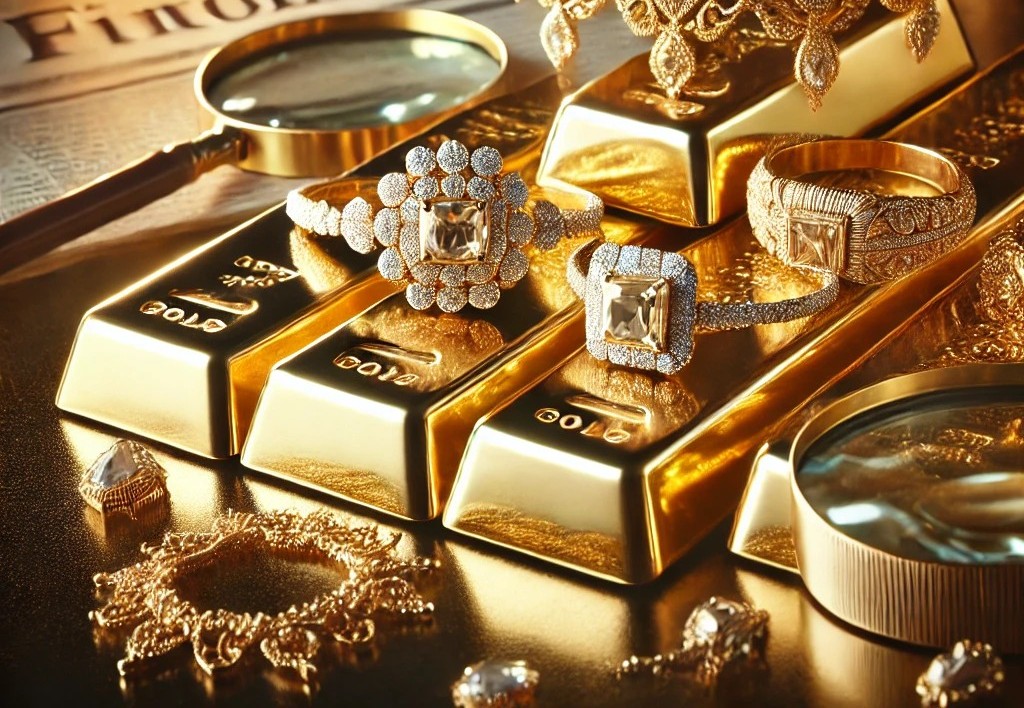
Gold jewellery can hold significant financial as well as personal value, but is it a good way to invest in gold?
From a purely investment perspective, gold jewellery generally has disadvantages compared with physical gold bars and coins. Jewellery prices can include craftsmanship, design and brand premiums, while its resale value may be affected by condition, fashion and the price a buyer is willing to pay.
Gold bullion, by comparison, is primarily valued according to its fine gold content and the prevailing gold price, making its investment value easier to assess.
In this guide, we compare gold jewellery with gold coins and bars across seven factors, including valuation, purchase premiums, purity, liquidity, tax and wear and tear.
You can also explore the different methods of gold investing available to UK investors.
Gold has been used as a store of value and medium of exchange for thousands of years. Its physical properties, limited supply and wide range of uses contribute to continuing demand.
Unlike shares or bonds, physical gold does not produce income. Its investment return therefore depends primarily on changes in the gold price and, in the case of particular coins or jewellery, any additional premium a buyer is willing to pay.
The amount of gold available is also constrained by existing above-ground stocks, recycling and the cost and time involved in mining new gold.
Gold’s value goes beyond just its shiny appearance. Here are the key reasons why gold has been treasured and appreciated in worth for generations:
While gold is considered a stable asset in the long run, its price fluctuates based on several factors.
Gold prices can rise or fall over both short and longer periods, so historical performance should not be treated as a guarantee of future returns. You can view the current and historical gold price to see how the market has performed over different time periods.
Read more about the factors investors consider when deciding when to buy gold.
Free ultimate guide for keen precious metals investor
When considering physical gold, investors can choose between jewellery, gold bars and gold coins. While all three methods contain gold, their investment potential varies significantly due to factors like purity, resale value, tax, and additional costs.
Gold jewellery is often seen as both a fashion statement and a financial asset, while gold bullion and coins are typically purchased for pure investment purposes. But how do they compare in terms of seven key factors?

Understanding the ongoing value of your investment plays a crucial role in assessing your current financial position and basing decisions on buying and selling. If your asset is difficult or ambiguous to value, it can diminish your ability to accurately assess options.
The easiest forms of gold investment to value are electronic. ETFs, gold funds, and digital gold trading will likely publish fluid ‘buy’ and ‘sell’ prices which can be applied to your holding. This provides 24-hour transparency to value your investment.
Next in line is physical gold bars and common bullion coins. Valuation is based on their weight and purity of gold. If the spot price per gram is £75 and the 24k bar weighs 10g, then in theory, the value is £750. However, this provides a basic mid-market rate, based on the spot price. While this may be suitable for valuation purposes, many investors will want to understand a more realistic ‘sell price’, which would likely be 2-4% lower.
Valuation of gold coins becomes tricker when the coins possess additional value due to rarity, history, or collectability. A prudent valuation of a Victoria Sovereign coin for example, would put their worth at that of a basic bullion Sovereign of the same weight. This would provide a worst-case scenario. However, it’s very possible that a dealer would pay a higher rate for the coin as they would possibly be able to sell it on at a premium too. This premium usually reflects the current state of the gold market. If demand is outstripping supply, then values are usually higher, and vice versa in low-demand periods. In this way, value can be more subjective and elastic to market conditions.
Bringing up the rear with ease of valuation, is gold jewellery. To start with, simply knowing the item’s weight, purity, and composition isn’t straightforward. Unlike a gold bar which will have its weight and purity stamped on it, a necklace will not. Checking for hallmarks may provide some information regarding purity, but overall weight can be ambiguous if the piece contains jewels and varying purities within its different components.
In addition, the price a buyer would pay is open to a large degree of subjectivity and is even more influenced by market conditions. This creates a very difficult framework to value your gold jewellery accurately and consistently. The value a jeweller would provide will most likely contain a far higher spread to where he thinks he can resell the item than bars or coins. This increased margin reflects their additional risk that the item will only be resold when and if a new customer desires the item. In reality, gold jewellery will sit in stock for longer periods than gold coins or bars, depending on how niche the item is, affecting the dealer’s cost of carry.
For this reason, many jewellers will choose to melt down items they purchase from the public to refabricate into new items, or simply to sell as scrap gold. The cost of doing this will be built into their buy price, thus lowering the value of your gold.
Gold jewellery is not just an investment—it’s also a style statement. This means its value is influenced by:
Branded or collectable jewellery can sometimes command a premium beyond its gold content, but that premium depends on continuing demand for the particular brand, design or maker. This introduces an additional variable that doesn’t usually apply to standard bullion bars.
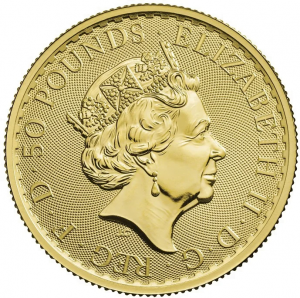
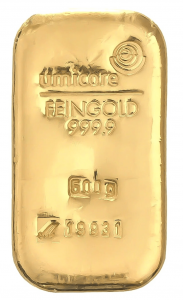
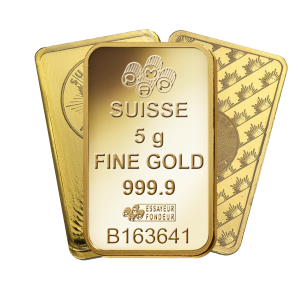
Gold bars generally trade at prices based simply on their gold weight (plus a small premium to cover production and distribution). But even here, we see customers paying higher prices for certain ‘premium’ bullion brands such as Pamp. From an investment perspective, this is seldom a wise idea as selling rarely yields a different price to ‘budget’ gold bars.
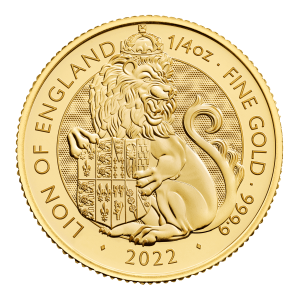
Gold coins can bridge the gap between bars and jewellery due to some being limited issue or having numismatic value due to age and collectability. In this way, additional investment risk exists as the investor is exposed not only to the gold price but also collectible market trends.
When you buy gold jewellery, you’re not just paying for the gold content—you’re also covering:
Gold jewellery is labour-intensive, requiring skilled craftsmanship, design work, and sometimes gemstone additions. It’s unlikely to receive such premiums when selling your items, especially if the buyer intends to simply melt down the piece for re-use.
Gold bullion and coins, in contrast, are priced closer to the actual gold spot market rate, with only a small premium for minting and distribution.
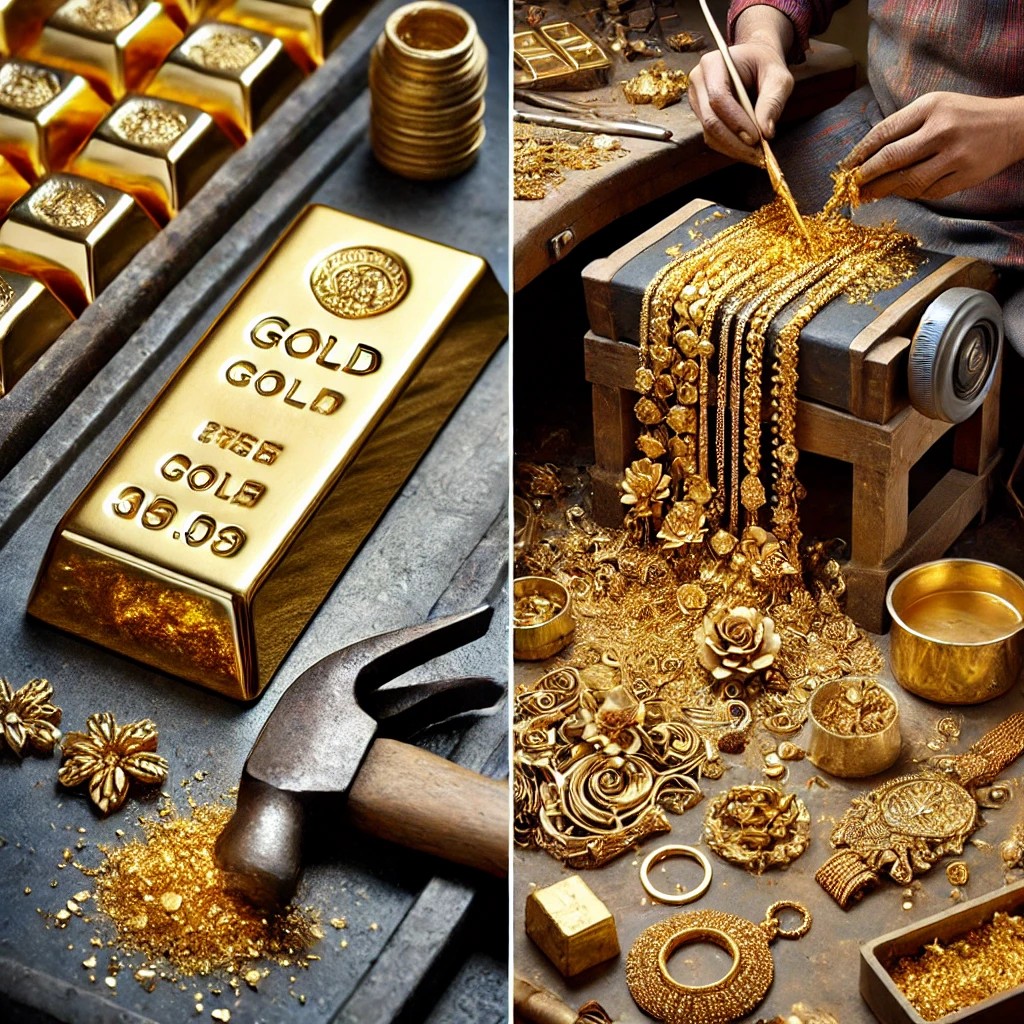
Gold jewellery is often made from an alloy of gold and other metals. This improves its durability and can alter its colour, but it also means that the item’s total weight does not represent its weight in pure gold.
Common jewellery purities include:
Jewellery may also contain gemstones, clasps and other materials that contribute to its purchase price and overall weight but not to the value of its gold content. Buyers may also pay for craftsmanship, design and branding, meaning the retail price can be significantly higher than the value of the gold itself.
Gold bullion is generally more straightforward to assess. Gold bars are commonly produced in 24-karat gold, usually 99.99% pure, while investment coins can be produced in either 22 or 24 karat gold purity levels.
Importantly, a lower karat rating does not necessarily mean an investment coin contains less fine gold. For example, a one-ounce Krugerrand is 22 karat but still contains one full troy ounce of pure gold. The additional alloy increases the coin’s total weight and makes it more resistant to scratching and wear.
This distinction can make bullion easier to compare as an investment. With bars and widely traded bullion coins, the fine gold content is clearly specified, allowing their underlying metal value to be compared directly with the prevailing gold price. With jewellery, the relationship between the purchase price and the underlying gold value is generally less direct.
Our automated portfolio creator will help you choose the ideal selection based on your budget and objectives.

Gold’s liquidity refers to how easily it can be sold when you need cash.
Selling jewellery often comes with complications:
Find out the latest prices for gold coins here
If investment is your motivation for buying gold, then tax implications will have a significant impact on your returns. Tax can be viewed in three possible stages. Tax when you buy gold, tax when you hold gold, and finally tax when you sell gold.
Value Added Tax (VAT)
Qualifying investment gold is exempt from VAT in the UK. Specific conditions determine whether a gold coin or bar qualifies as investment gold, so purity alone should not be used to determine its VAT treatment.
Gold jewellery does not benefit from the investment-gold VAT exemption and VAT may therefore form part of its purchase price.
Tax on Income or Dividends
Unless you’re lending out your gold bullion or jewellery in return for a charge, then no income or dividends will be received when you hold physical gold of any variety. Therefore, no tax will be incurred while holding these assets. Some forms of electronic gold, such as ETFs and mining shares, could generate dividends, consequently incurring additional tax.
Capital Gains Tax (CGT)
Capital Gains Tax may apply when an asset is sold for a gain, subject to the individual’s circumstances and the applicable annual exempt amount.
Certain UK legal-tender gold coins, including Gold Britannias and Sovereigns, are exempt from CGT. This can give these coins a tax advantage over gold bars and many other forms of physical gold for UK investors.
Gold jewellery does not receive this legal-tender exemption, although the tax treatment of individual disposals can depend on the circumstances.
Read our gold and silver tax guide for more information.
One of the biggest differences between gold jewellery, bullion bars, and coins as investments is how they hold up over time. Since gold is a soft metal, it can be prone to scratches, dents, and other forms of damage, which can affect its resale value – especially in jewellery.


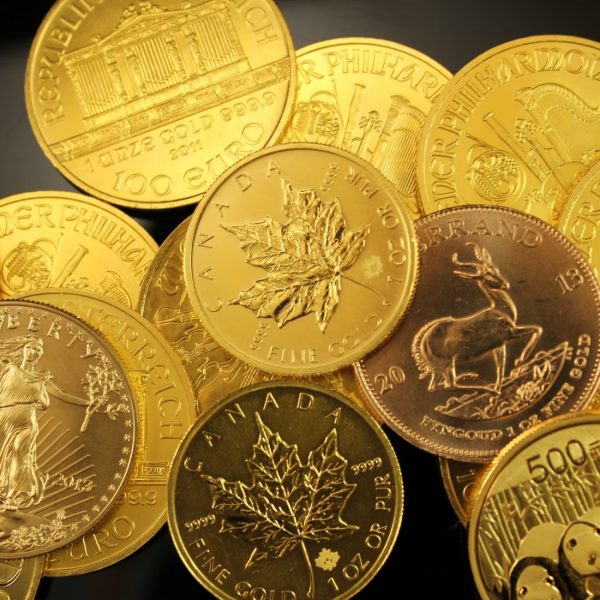
Gold jewellery and investment bullion serve different purposes. Jewellery combines its gold content with craftsmanship, design, brand and the ability to wear and enjoy the item. Those features can also make its purchase and resale value less directly connected to the underlying gold price.
Gold bars and bullion coins are designed primarily as ways of owning physical gold. Their value is generally easier to relate to their fine gold content and the prevailing gold price, while qualifying investment gold can also benefit from VAT exemption in the UK.
UK legal-tender gold coins such as Britannias and Sovereigns can additionally benefit from CGT exemption. For investors primarily seeking exposure to the gold price rather than jewellery’s aesthetic or sentimental value, these differences are important considerations.
Explore Physical Gold’s gold coins and gold bars to compare the physical gold options available.
Gold jewellery is not the most efficient investment because of making charges, design premiums, and resale deductions. Gold bars and coins generally have a more direct relationship with the underlying gold price.
Yes, but with limitations. While the gold content retains value, fashion trends, wear and tear, and making charges impact resale prices. You may not get back the full amount you paid when selling it.
To get the best value, opt for:
Selling gold jewellery is less straightforward than selling gold bars or coins. Jewellers may deduct making charges and offer lower rates than the market price. It’s best to compare offers from multiple buyers.
Gold jewellery is better suited for personal enjoyment with a secondary investment benefit. If the primary objective is exposure to the value of physical gold, bullion coins and bars generally provide a more direct route than jewellery because their pricing is more closely related to their fine gold content.

Share this post on:


Latest Posts:
Live Gold Spot Price in Sterling. Gold is one of the densest of all metals. It is a good conductor of heat and electricity. It is also soft and the most malleable and ductile of the elements; an ounce (31.1 grams; gold is weighed in troy ounces) can be beaten out to 187 square feet (about 17 square metres) in extremely thin sheets called gold leaf.
Live Silver Spot Price in Sterling. Silver (Ag), chemical element, a white lustrous metal valued for its decorative beauty and electrical conductivity. Silver is located in Group 11 (Ib) and Period 5 of the periodic table, between copper (Period 4) and gold (Period 6), and its physical and chemical properties are intermediate between those two metals.