10 of the Best British Gold Coins in History
08/09/0206Daniel Fisher

Accumulate gold coins on a regular basis for home delivery or storage.
Let our experts hand-pick a gold investment portfolio for you.
Free & fully insured UK Delivery. Learn more

Secure & flexible payments. Learn more

Buyback Guarantee Learn more

A cost-effective way to buy silver bullion with off-shore storage
Let our experts hand-pick a silver investment portfolio for you.
Free & fully insured UK Delivery. Learn more
Secure & flexible payments. Learn more
Buyback Guarantee Learn more
Free & fully insured UK Delivery. Learn more
Secure & flexible payments. Learn more
Buyback Guarantee Learn more


Accumulate gold coins on a regular basis for home delivery or storage.
Let our experts hand-pick a gold investment portfolio for you.
A cost-effective way to buy silver bullion with off-shore storage
Let our experts hand-pick a silver investment portfolio for you.
Free & fully insured UK Delivery. Learn more
Secure & flexible payments. Learn more
Buyback Guarantee Learn more
Free & fully insured UK Delivery. Learn more
Secure & flexible payments. Learn more
Buyback Guarantee Learn more
British gold coins have long been symbols of wealth, history and national identity. Beyond their precious metal content, they provide tangible links to Britain’s past, reflecting different monarchs, artistic styles and periods of economic and political change.
For modern investors, certain British coins offer another important advantage. Qualifying UK legal-tender gold coins, including Sovereigns and Britannias, are exempt from UK Capital Gains Tax (CGT), while investment-grade gold is also VAT exempt.
But not every British gold coin should be approached in the same way. Some coins are primarily bought for their gold content and investment potential, while older and rarer examples may derive a significant proportion of their value from scarcity, condition and numismatic demand.
With centuries of British coinage to choose from, which coins stand out? Here are ten of our favourites.
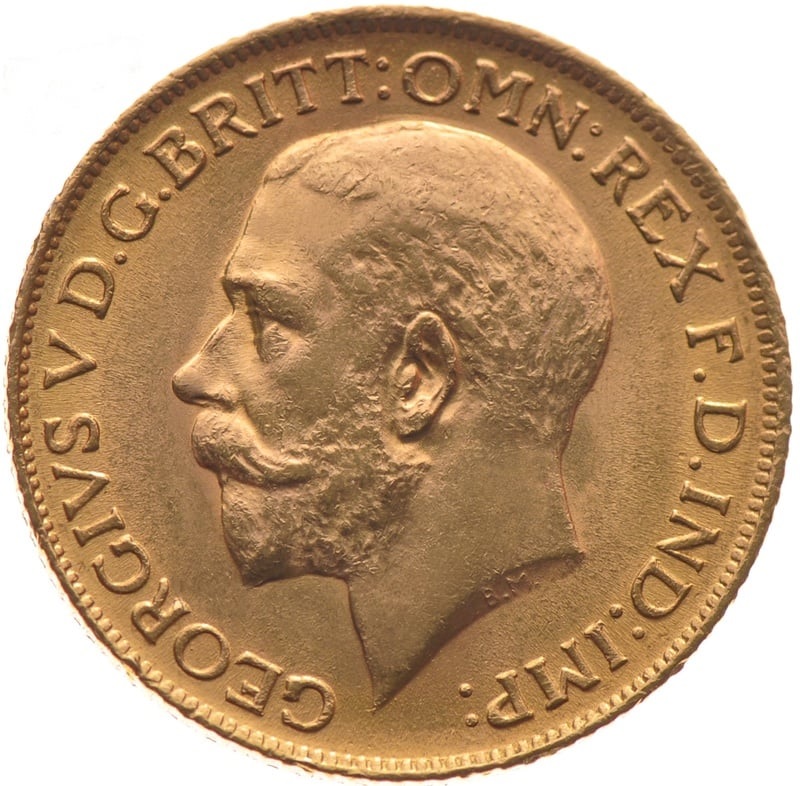
The Gold Sovereign is one of Britain’s most recognisable coins. Although the first English Sovereign was struck for Henry VII in 1489, the modern Sovereign was introduced in 1817 as part of Britain’s major coinage reform following the Napoleonic Wars.
The George V Sovereign represents an especially interesting period in the coin’s history. George V came to the throne in 1910, and Sovereigns bearing his portrait were produced at several mints across the British Empire.
The obverse carries Sir Edgar Bertram Mackennal’s portrait of the King, while many examples feature Benedetto Pistrucci’s famous depiction of St George and the dragon on the reverse.
George V Sovereigns appeal to investors because many examples combine genuine historical interest with relatively modest premiums compared with scarcer numismatic coins. They contain 7.3224g of fine gold and, as UK legal-tender coins, qualify for the CGT exemption available to British currency.
If you’d like to understand the different dates, mints and values in more detail, read our complete guide to King George V Sovereigns.
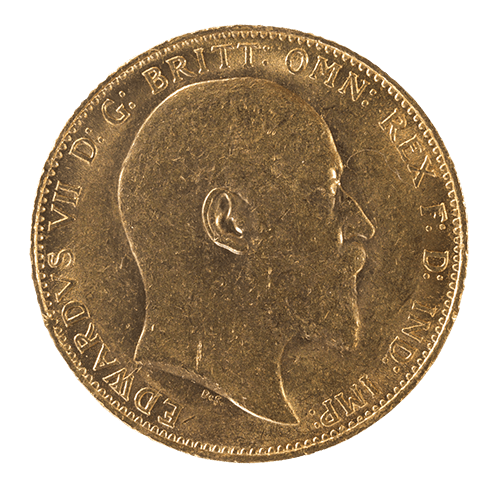
Edward VII’s reign marked the transition from the Victorian era into the early twentieth century. Sovereigns bearing his portrait were struck from 1902 until 1910 and feature an obverse designed by George William De Saulles.
Like George V Sovereigns, Edward VII examples contain 7.3224g of fine gold. Their shorter production period and historical appeal can mean that particular dates and mint marks attract additional collector interest.
Edward VII Sovereigns were produced at the London, Melbourne, Sydney and Perth mints. Consequently, values can differ according to the year, mint, rarity and condition of an individual coin.
For an investor primarily interested in physical gold, it is important to compare any additional premium with more widely available Sovereigns. Paying a substantial numismatic premium means a greater proportion of your purchase price depends on future collector demand rather than simply movements in the gold price.
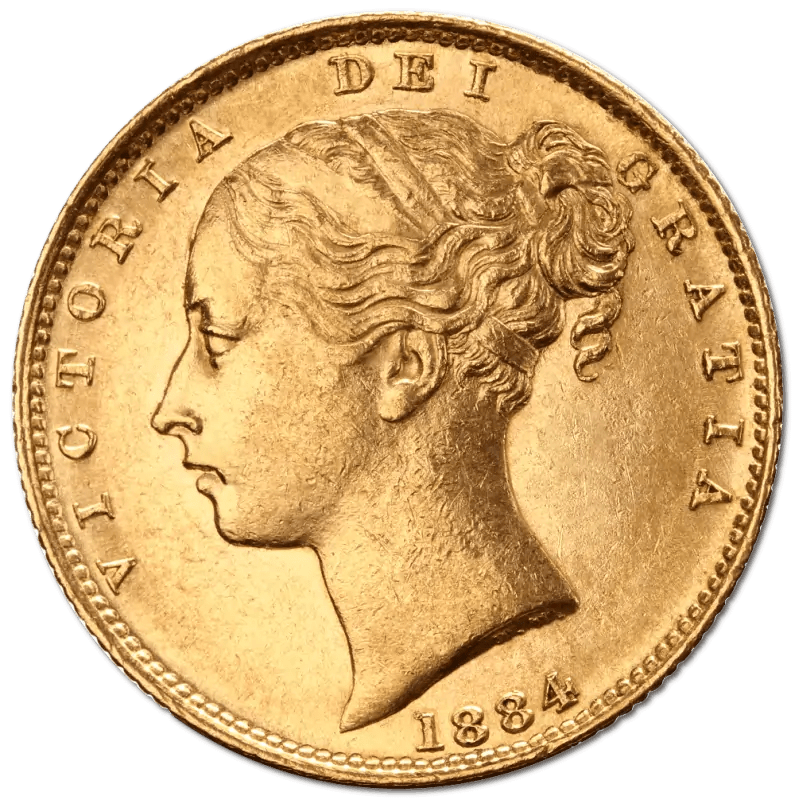
Few British monarchs are represented by as varied a selection of Sovereigns as Queen Victoria.
Her reign lasted from 1837 until 1901 and encompassed several different Sovereign portraits. The earliest and longest-running was William Wyon’s celebrated Young Head portrait.
Young Head Sovereigns were issued with two principal reverse styles. Earlier coins generally feature the royal shield, while Pistrucci’s St George and the dragon design was introduced to Victorian Sovereigns in 1871.
This variety is part of their appeal. Date, mint, reverse design and condition can all influence the price, with scarcer combinations potentially commanding significant premiums.
For investors who want to own historic British gold without moving entirely into specialist numismatics, more readily available Victorian Sovereigns can offer an interesting middle ground. However, buyers should always understand how much of the price represents gold value and how much represents a collector’s premium.
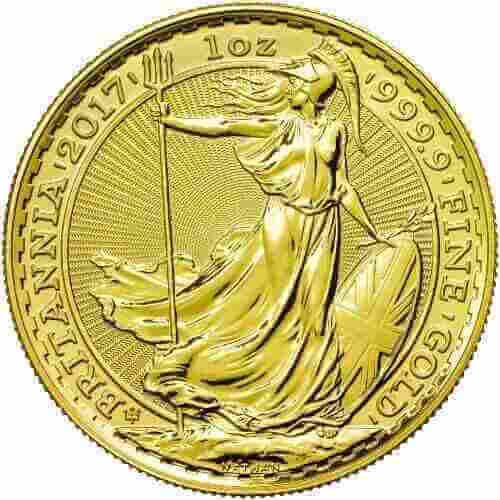
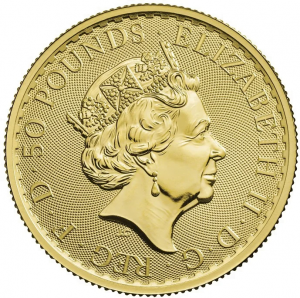
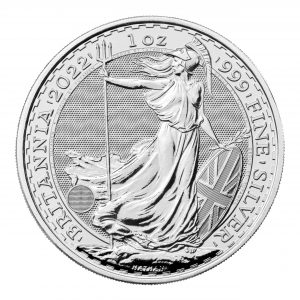
The Gold Britannia was introduced by The Royal Mint in 1987 and has become one of Britain’s best-known modern bullion coins.
Its reverse features Britannia, the personification of Britain that has appeared on British coinage in various forms for centuries.
The 2017 Britannia marked the 30th anniversary of the modern bullion series. Anniversary coins feature a small trident-shaped ’30’ privy mark beside the coin’s main design, distinguishing them from standard issues.
Since 2013, 1oz Gold Britannias have been struck from 999.9 fine gold. Their combination of high purity, international recognition and UK legal-tender status makes Britannias particularly attractive to British bullion investors.
For many investors, the tax treatment is equally important. Gold Britannias are exempt from UK CGT and investment gold is VAT exempt. This can make them particularly efficient for investors building larger physical gold holdings.
The anniversary edition adds an element of collectability to those underlying investment characteristics, although buyers should not assume that a special issue will necessarily appreciate faster than an ordinary bullion Britannia.
Free ultimate guide for keen precious metals investor
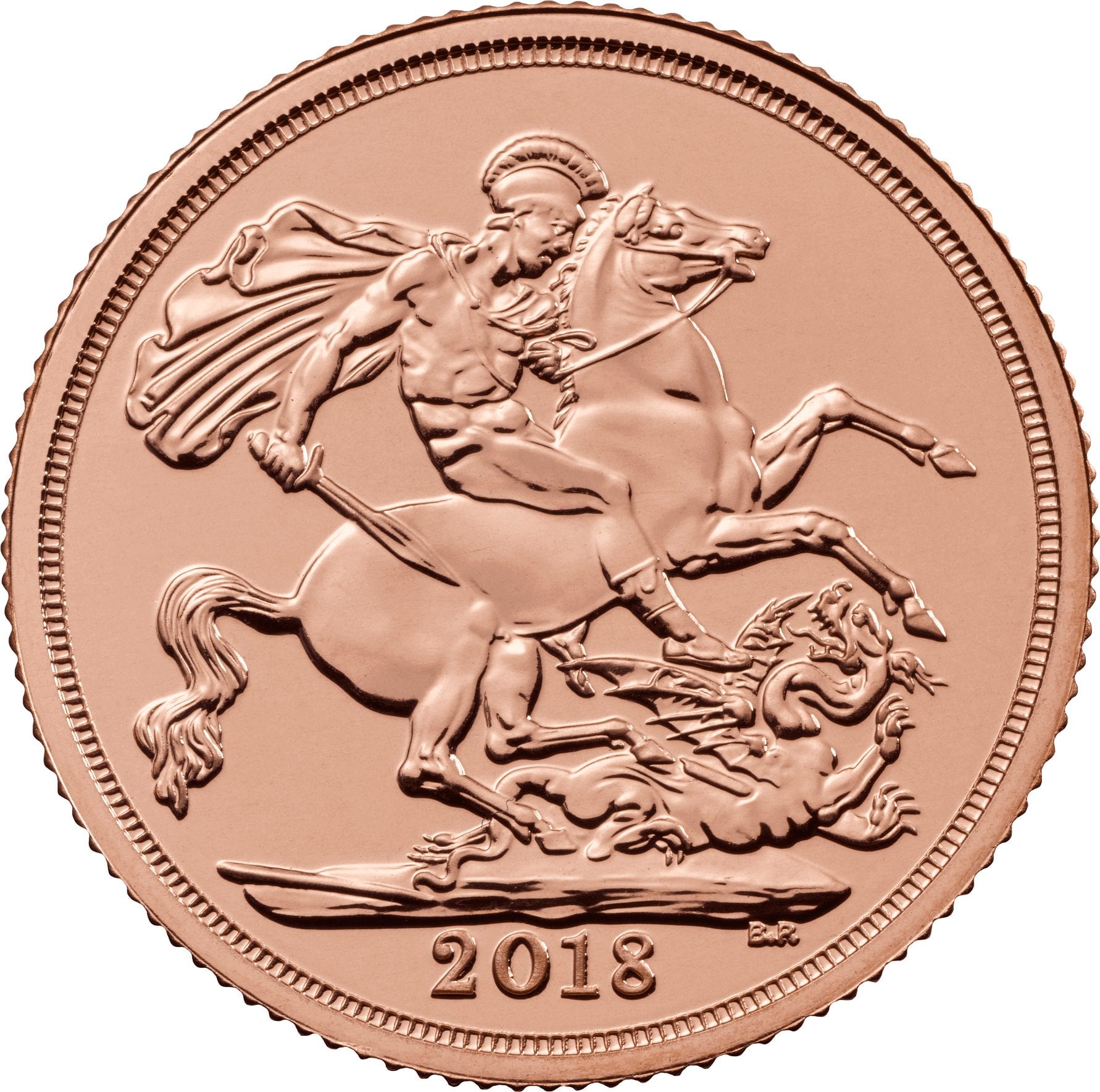
The Half Sovereign offers many of the characteristics of a full Sovereign in a smaller denomination.
Modern Half Sovereigns contain 3.6612g of fine gold – exactly half the gold content of a full Sovereign. Historic examples are available from the reigns of monarchs including Queen Victoria, Edward VII and George V, alongside modern Elizabeth II and Charles III issues.
Their smaller size can be useful for investors seeking greater divisibility. For example, selling several Half Sovereigns allows you to liquidate a smaller quantity of gold than selling the equivalent number of full Sovereigns or 1oz coins.
There is a trade-off. Smaller gold coins will often carry a higher percentage premium over their intrinsic gold value than larger coins. Investors therefore need to balance flexibility against the cost per gram of gold.
Half Sovereigns can nevertheless be an attractive choice for investors who value flexibility or want to build their holdings gradually.
Read our guide to the differences between a Gold Sovereign and Half Sovereign for a detailed comparison.
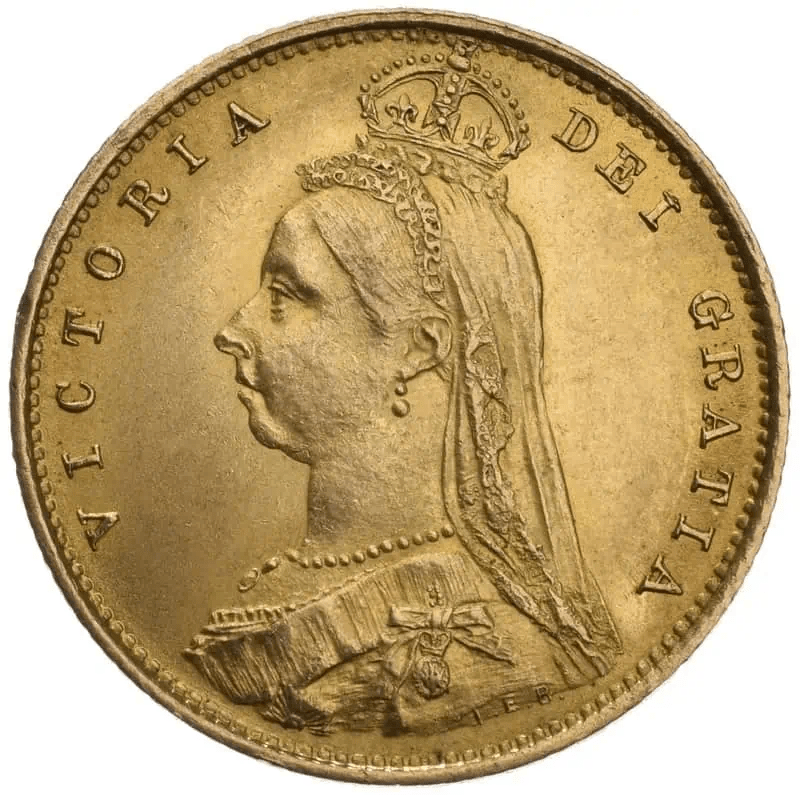
Queen Victoria’s Jubilee Head Sovereign provides another distinctive chapter in the history of Britain’s best-known gold coin.
The portrait, designed by Sir Joseph Edgar Boehm, was introduced in 1887, the year of Victoria’s Golden Jubilee. It depicts the Queen wearing a small crown and replaced the Young Head portrait that had appeared on her Sovereigns for decades.
Jubilee Head Sovereigns were produced for a relatively short period before the portrait was replaced by Thomas Brock’s Old Head design in 1893.
Coins were struck at London, Melbourne and Sydney, with mint marks helping identify their origin. Particular combinations of year, mint and condition can be more desirable to collectors than others.
For investors, Jubilee Head Sovereigns offer the opportunity to own physical gold with a distinctive Victorian heritage. As with other historic Sovereigns, however, it is worth comparing the premium with more common bullion alternatives before buying.
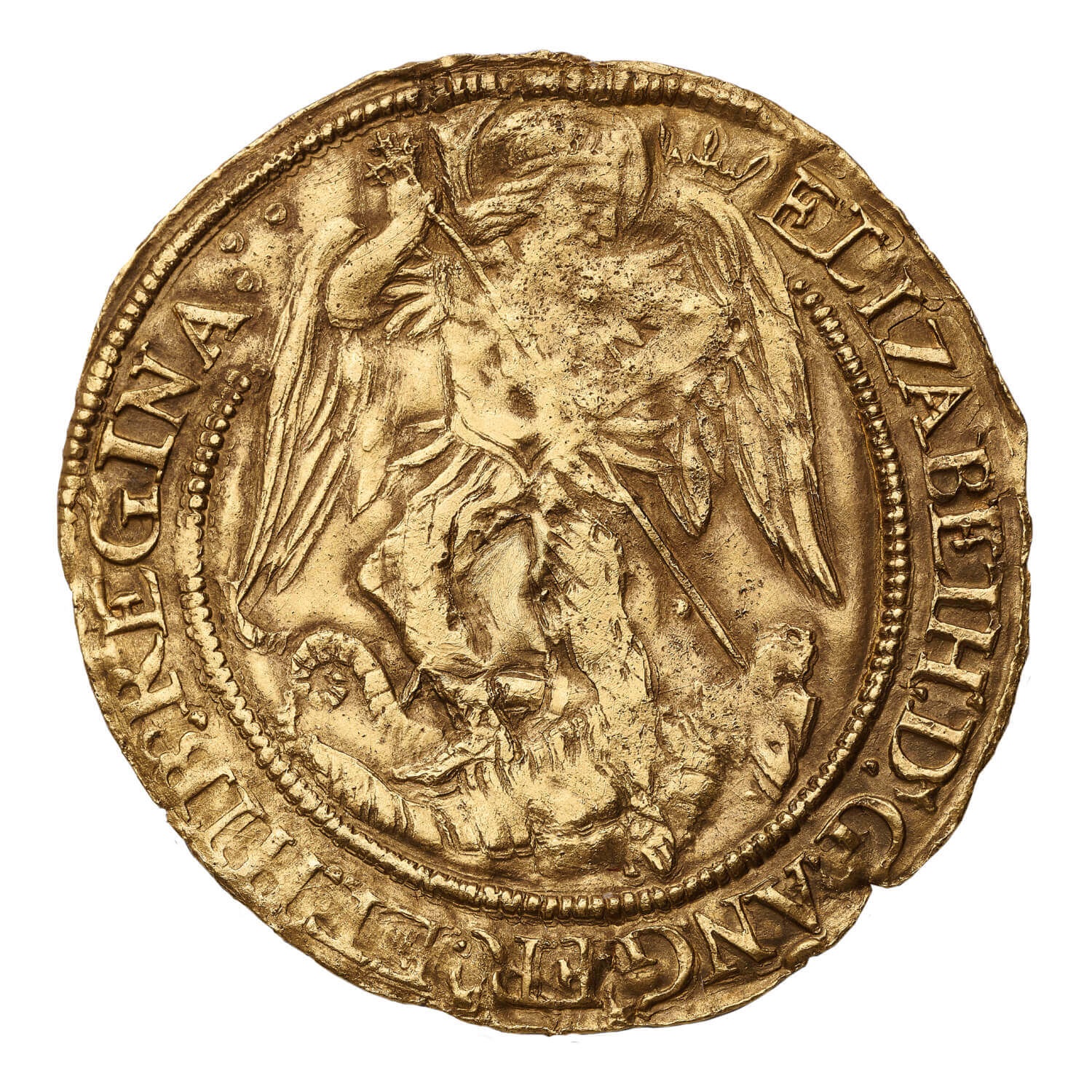
Moving much further back in British history brings us to a very different type of gold coin.
The English Angel was introduced during the reign of Edward IV in 1465. Its name comes from the striking image of the Archangel Michael defeating the dragon on its obverse, while the reverse depicts a ship bearing a shield.
Angels were issued under several English monarchs and their denomination changed over time. They also acquired a significance beyond ordinary currency. Monarchs traditionally presented Angels during the ceremony of the Royal Touch, when it was believed that a sovereign’s touch could cure scrofula.
Surviving examples are now primarily numismatic collectables rather than bullion investments.
That distinction matters. Unlike a modern Britannia or an ordinary Sovereign, the value of a rare Angel can be determined far more by its age, monarch, rarity, provenance and condition than by the market value of its gold content.
For collectors of medieval and Tudor coinage, however, few British gold coins have a more compelling history.
The reign of Elizabeth I produced a fascinating range of gold coinage, including Crowns, Half Crowns, Angels and other denominations.
Elizabethan Gold Crowns date from the later part of her reign and carry a portrait of Elizabeth on the obverse, with the royal arms on the reverse.
Their appeal today is overwhelmingly numismatic. Surviving coins provide a tangible connection with one of the most famous periods of English history – an era encompassing Shakespeare, overseas exploration and the defeat of the Spanish Armada.
For collectors, characteristics such as the precise issue, mint mark, strike quality, condition and provenance can have a substantial influence on value.
That also makes Elizabethan coins very different investments from modern bullion. Anyone buying a rare Tudor coin should ideally possess specialist numismatic knowledge or obtain expert advice rather than judging its value principally by weight and gold purity.
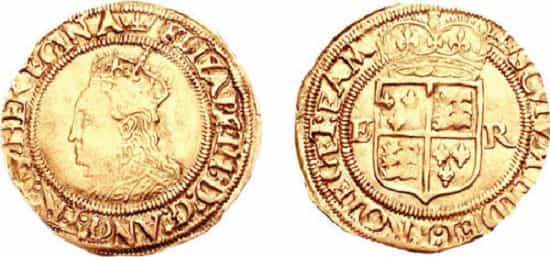
The gold crown from the Elizabethan era is a valuable collectors item today
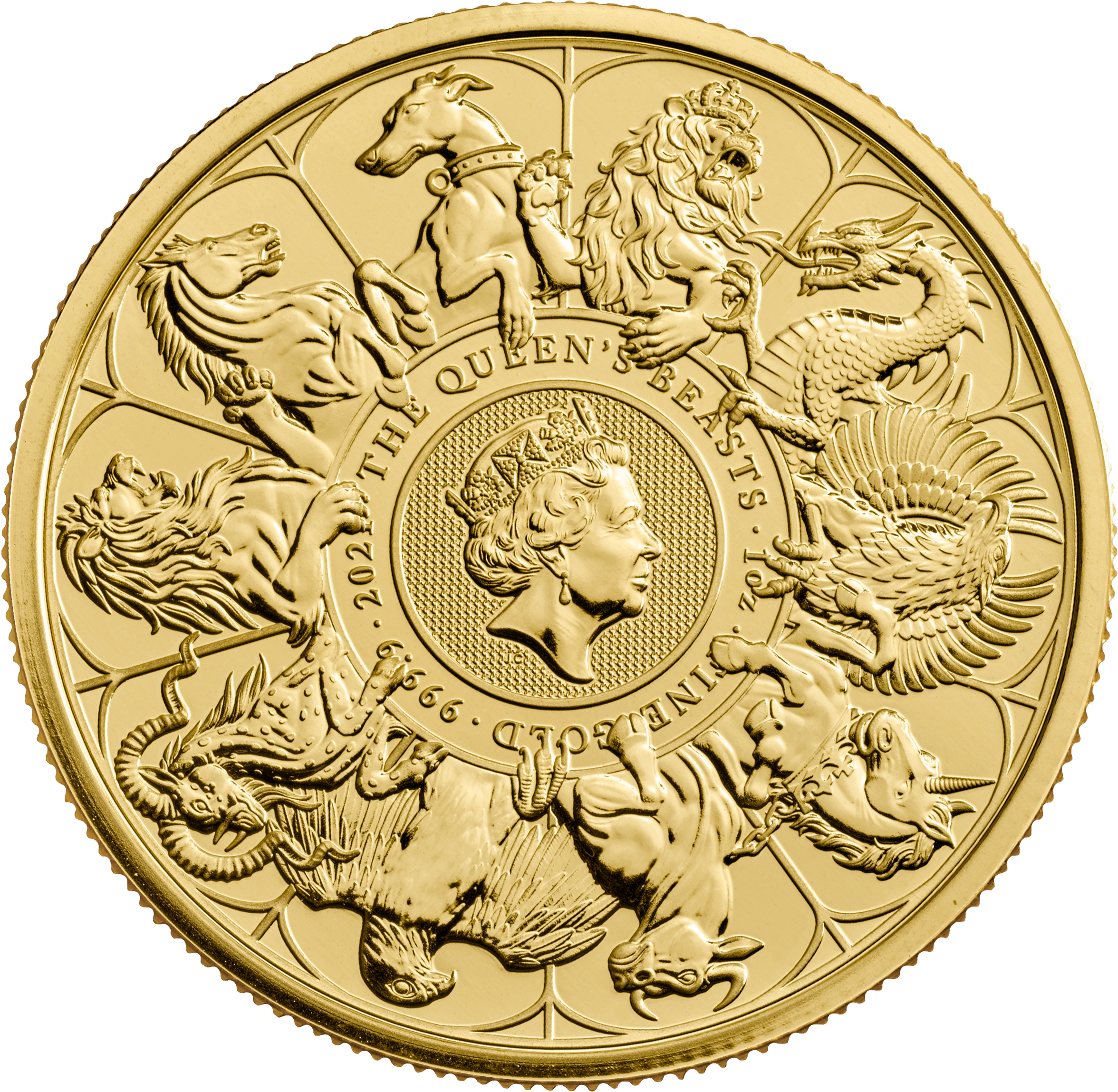
For a much more modern collectable series, it’s difficult to overlook The Royal Mint’s Queen’s Beasts.
The bullion series began in 2016 with the Lion of England. Its ten principal designs represented the heraldic beasts whose statues stood outside Westminster Abbey for Queen Elizabeth II’s coronation in 1953.
The collection subsequently concluded with the Queen’s Beasts Completer Coin, which brought all ten beasts together in a single design.
Queen’s Beasts coins combine bullion gold with a strong collecting theme. The 1oz versions contain one troy ounce of 999.9 fine gold, while larger and smaller denominations were also produced.
As UK legal tender, qualifying Queen’s Beasts coins are exempt from UK CGT. However, discontinued designs may trade at premiums influenced by availability and collector demand as well as their underlying gold content.
The success of the Queen’s Beasts was followed by The Royal Mint’s Tudor Beasts collection, providing investors and collectors with another British heraldic bullion series to consider.
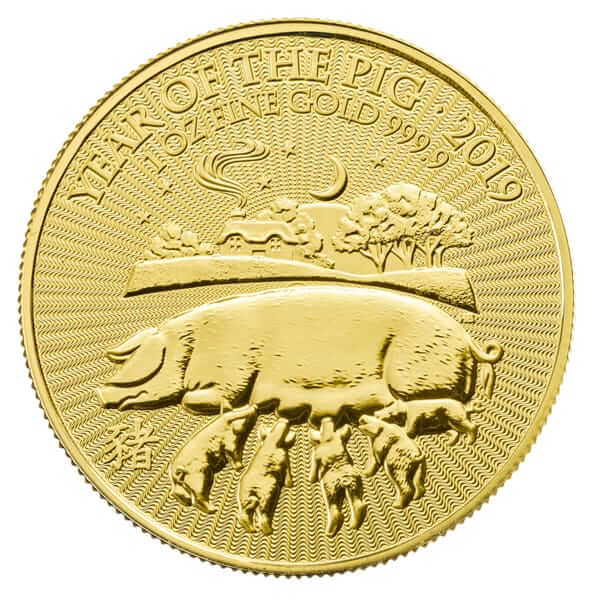
The Royal Mint’s Shengxiao Collection brought the Chinese zodiac to British legal-tender bullion coins.
The series began with the Year of the Horse in 2014, followed by annual designs representing animals from the traditional Chinese zodiac.
These coins provided an alternative to the more traditional imagery associated with Sovereigns and Britannias and appealed to both bullion buyers and collectors interested in completing a themed series.
An unusual feature associated with the series occurred with some 2014 Year of the Horse 1oz gold coins. A number were struck using an obverse die intended for the 2014 Britannia, creating a recognised mule variety. Such minting anomalies can generate additional numismatic interest.
Standard Lunar gold coins, meanwhile, provide exposure to physical gold combined with distinctive annual designs and UK legal-tender status.
As with other collectable bullion ranges, investors should compare the premium with mainstream bullion coins and avoid assuming that a discontinued or unusual design will automatically increase in value.
The answer depends largely on why you’re buying gold.
If your primary objective is gold investment, widely traded Sovereigns and Britannias are usually a logical starting point. They combine recognised designs, established secondary markets and valuable tax advantages for UK investors.
If you’re interested in history and collecting, Victorian Sovereigns, medieval Angels and Tudor coins offer something quite different. Their prices can depend substantially on rarity, condition and collector demand, so specialist knowledge becomes increasingly important.
Modern series such as Queen’s Beasts sit somewhere between the two. They contain investment-grade bullion but may also develop additional collector premiums.
Whichever route you choose, consider:
You can explore our wider selection of gold coins for investment or read our guide to the tax implications of investing in gold and silver before deciding which coins best suit your objectives.
Our automated portfolio builder will provide suggestions based on various investment objectives

British gold coins span more than five centuries, from medieval Angels and Tudor Crowns to Sovereigns, Britannias and modern Royal Mint collections.
That variety is one of their greatest attractions. Investors can choose internationally recognised bullion coins whose prices are closely linked to their gold content, while collectors can explore historic pieces whose rarity and provenance may be just as important as the precious metal itself.
For UK investors in particular, modern British legal-tender bullion coins can also offer significant tax advantages. But gold prices and collectable coin values can fall as well as rise, and paying a higher premium does not guarantee a higher future return.
At Physical Gold, we can help you understand the differences between the various coins and select physical gold that suits your objectives and budget.
Call us on 020 7060 9992 or contact Physical Gold for guidance on buying gold coins.
Some historic English gold coins are exceptionally rare, including particular issues of Tudor and Stuart coinage such as Angels, Ryals and Triple Unites. Rarity can depend on the monarch, denomination, date, mint, surviving population and condition, so values vary considerably between individual coins.
For investors primarily seeking exposure to physical gold, rare numismatic coins should be treated differently from mainstream bullion because a substantial proportion of their price may reflect collector demand rather than gold content.
British gold coins can be an effective way to invest in physical gold, particularly established bullion coins such as Sovereigns and Britannias.
Both are widely recognised and qualifying UK legal-tender coins are exempt from UK Capital Gains Tax. Investment-grade gold is also VAT exempt.
However, gold prices can fall as well as rise and returns are not guaranteed. Investors should also consider dealer premiums, spreads, storage, liquidity and whether a particular coin carries an additional collector premium.
Neither is inherently better – the right choice depends on your objectives.
Sovereigns contain 7.3224g of fine gold, making them smaller and providing greater flexibility when selling part of a portfolio. A standard 1oz Britannia contains a full troy ounce of gold and can offer a lower percentage premium when buying larger quantities.
Both qualifying Sovereigns and Britannias are exempt from UK CGT, so many investors choose to hold a mixture of the two.
Read our guide to Gold Sovereigns vs Gold Britannias for a more detailed comparison.
For investors focused primarily on the value of their gold rather than numismatic rarity, Sovereigns and Britannias are two of the most popular British options.
They are widely recognised, have established secondary markets and benefit from UK CGT exemption as legal-tender sterling coins. Sovereigns offer smaller denominations, while 1oz Britannias can provide an efficient way of buying larger quantities of gold.
Historic and collectable British coins can also appreciate in value, but their prices depend more heavily on factors such as rarity, condition and collector demand.
Image credits: Wikimedia Commons, Public Resource.org and Wikimedia Commons

Live Gold Spot Price in Sterling. Gold is one of the densest of all metals. It is a good conductor of heat and electricity. It is also soft and the most malleable and ductile of the elements; an ounce (31.1 grams; gold is weighed in troy ounces) can be beaten out to 187 square feet (about 17 square metres) in extremely thin sheets called gold leaf.
Live Silver Spot Price in Sterling. Silver (Ag), chemical element, a white lustrous metal valued for its decorative beauty and electrical conductivity. Silver is located in Group 11 (Ib) and Period 5 of the periodic table, between copper (Period 4) and gold (Period 6), and its physical and chemical properties are intermediate between those two metals.


