The Do’s and Don’ts of Buying Silver
01/09/2026Daniel Fisher

Accumulate gold coins on a regular basis for home delivery or storage.
Let our experts hand-pick a gold investment portfolio for you.
Free & fully insured UK Delivery. Learn more

Secure & flexible payments. Learn more

Buyback Guarantee Learn more

A cost-effective way to buy silver bullion with off-shore storage
Let our experts hand-pick a silver investment portfolio for you.
Free & fully insured UK Delivery. Learn more
Secure & flexible payments. Learn more
Buyback Guarantee Learn more
Free & fully insured UK Delivery. Learn more
Secure & flexible payments. Learn more
Buyback Guarantee Learn more


Accumulate gold coins on a regular basis for home delivery or storage.
Let our experts hand-pick a gold investment portfolio for you.
A cost-effective way to buy silver bullion with off-shore storage
Let our experts hand-pick a silver investment portfolio for you.
Free & fully insured UK Delivery. Learn more
Secure & flexible payments. Learn more
Buyback Guarantee Learn more
Free & fully insured UK Delivery. Learn more
Secure & flexible payments. Learn more
Buyback Guarantee Learn more
Buying physical silver can provide a straightforward way to add a tangible precious metal to an investment portfolio. However, there is more to consider than simply looking at the current silver price.
The type of silver you buy, the premium above the underlying metal value, VAT, Capital Gains Tax, storage and eventual resale can all affect the overall cost and suitability of an investment.
If you’re considering buying physical silver, these are some of the key do’s and don’ts to consider before making a purchase.
Physical investment silver is most commonly available as silver bars and silver coins.
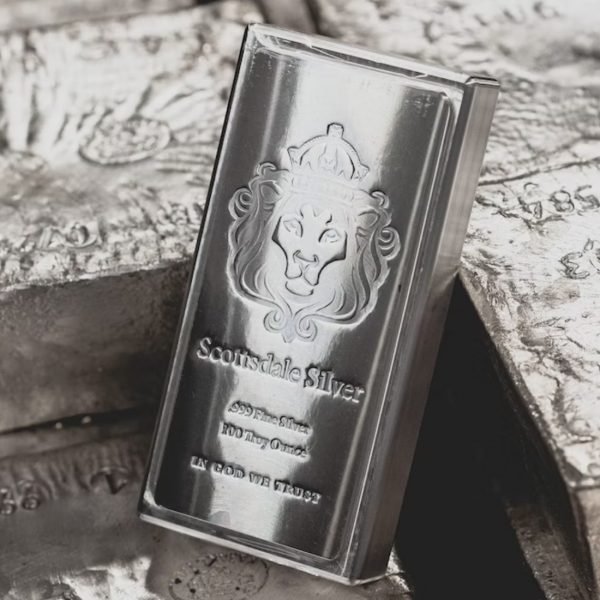
Silver bullion bars are produced in a variety of weights and are generally valued primarily according to their silver content. Investment-grade bars will usually display important information such as their weight, fineness and manufacturer.
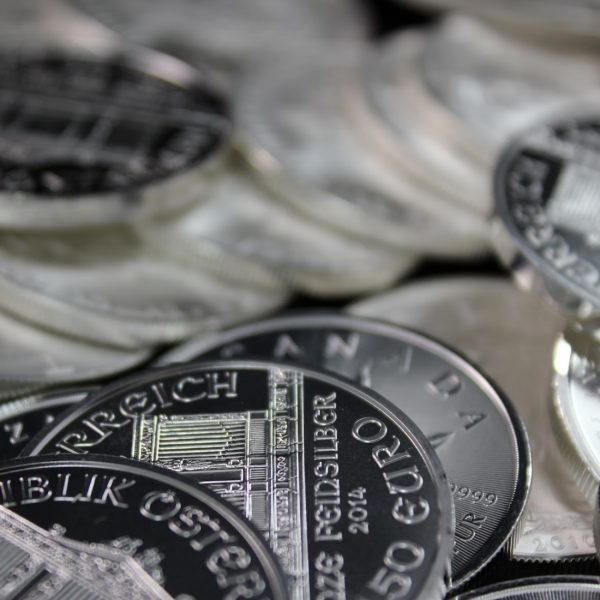
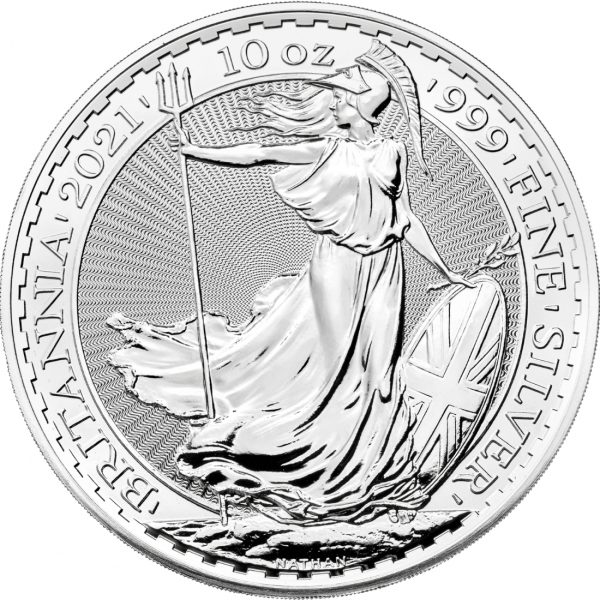
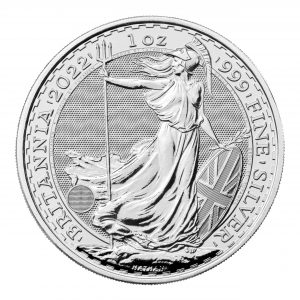
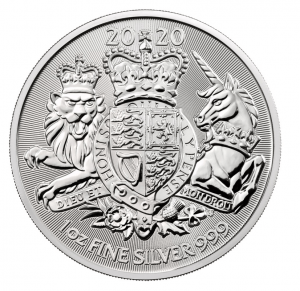
Silver bullion coins are produced by government and private mints and are also primarily purchased for their precious-metal content. Popular examples include Silver Britannias.
There are also proof, commemorative and collectable silver products. These can command significantly higher premiums because their value may reflect rarity, condition, design and collector demand as well as their underlying silver content.
If your primary objective is exposure to the silver price, it is important to understand how much of the purchase price represents the value of the silver and how much represents an additional collectable premium.
Silver bars are available in a wide range of sizes, from small bars weighing a few ounces to much larger bars intended for substantial holdings.
The size you choose can affect both the premium you pay and how flexible the investment is when you eventually come to sell.
Larger bars will often have lower premiums per ounce because manufacturing and distribution costs represent a smaller proportion of their overall value. Smaller bars can cost more per ounce but provide greater divisibility, allowing an investor to sell part of a holding without disposing of a larger bar.
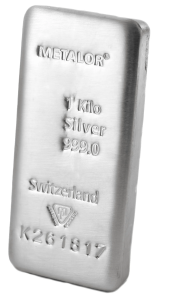
Physical Gold offers silver bars in a range of sizes, including one-ounce silver bars and one-kilo silver bars.
Storage should also be considered when deciding how much silver to buy. Because silver has a considerably lower value per ounce than gold, a substantial silver investment can require significantly more physical storage space.
Customers who prefer not to store bullion at home can use professional silver storage.
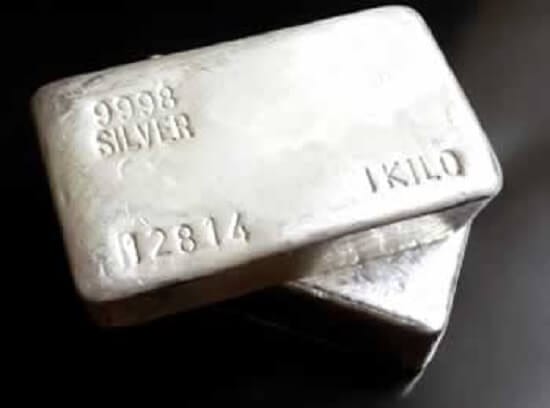
One kilo silver bars are a great investment
Before buying silver, it is useful to understand the difference between the underlying silver price and the price you will actually pay for a physical product.
The silver spot price represents the prevailing market price of silver. Physical coins and bars are normally sold above this price because their retail price also reflects costs such as refining, fabrication, distribution and the dealer’s margin.
This difference is commonly referred to as the premium.
Premiums can vary considerably between products and can be affected by factors including the size of the bar or coin, quantity purchased, availability and market demand.
Rather than simply comparing headline prices, consider the premium you are paying relative to the amount of silver contained in the product.
Silver coins and bars can both provide direct ownership of physical silver, but they have different characteristics.
Larger silver bars can provide an efficient way to purchase larger quantities of silver because their premiums per ounce can be lower.
Silver coins generally provide greater divisibility and a wider choice of products. Certain UK legal-tender silver coins can also provide a Capital Gains Tax advantage for UK investors.
There is therefore no single product that is automatically best for every buyer. Investment size, premiums, storage, tax and eventual resale should all be considered.
For a more detailed comparison, read our guide to silver coins vs silver bars.
Tax is particularly important when buying physical silver in the UK.
Silver purchased for delivery in the UK is generally subject to VAT at the standard rate. This differs from qualifying investment gold, which is exempt from VAT.
Capital Gains Tax is a separate consideration. Certain UK legal-tender silver coins, including Silver Britannias, are exempt from CGT for UK investors. Silver bars and non-qualifying coins do not receive the same exemption, although whether CGT is ultimately payable will depend on the investor’s gains and individual circumstances.
Investors who do not require physical delivery can also explore VAT-free silver held in bonded storage.
Read our gold and silver tax guide for more information.
Free insider tips to getting the most from buying silver
For bullion investment, a brand-new coin or bar is not necessarily more valuable than a previously owned equivalent containing the same amount and purity of silver.
Pre-owned bullion can sometimes be available at a lower premium than newly minted products. For an investor primarily interested in precious-metal content, this can potentially provide a more cost-effective way to acquire silver.
However, condition can be more important for proof, rare and collectable coins, where scratches, damage or missing packaging may affect collector value.
Whatever the age of the product, buy from an established dealer and ensure that its weight, purity and authenticity can be verified.
Price is important, but the cheapest-looking silver product is not necessarily the lowest-cost option overall.
Consider the total amount you will pay, including the product premium, VAT, delivery and any storage or insurance costs.
Delivery charges are particularly worth checking when comparing online dealers. A lower advertised product price can be offset by higher shipping or insurance costs.
You should also consider what you are buying. An unfamiliar product available at a very low premium may not necessarily be as straightforward to resell as a widely recognised bullion coin or bar.
Compare the total purchase cost rather than simply the advertised price of the silver.
Buying precious metals online requires careful consideration of who you are purchasing from.
Online marketplaces can contain genuine silver products, but they also bring additional risks because products may be offered by private individuals or sellers whose expertise, authenticity checks and financial standing are difficult to establish.
Before making a significant purchase, research the seller, check their trading history and understand their delivery, insurance and returns arrangements.
Buyers can also look for established precious-metals trade organisations such as the British Numismatic Trade Association when researching dealers.
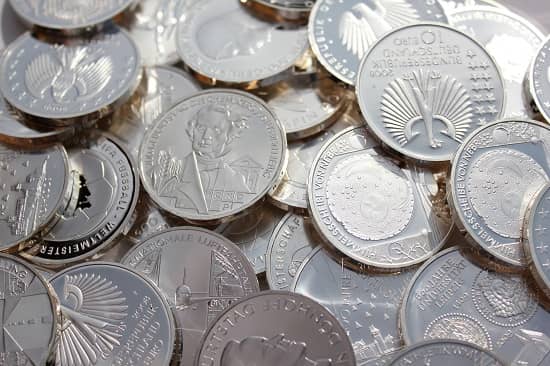
Numismatic rare silver coins often cost much more than their silver value
Counterfeit precious-metal products exist, so authenticity should be considered when buying silver, particularly when purchasing from private sellers or unfamiliar sources.
Established bullion products will normally carry markings identifying information such as their manufacturer or mint, weight and fineness. Coins may also incorporate security features designed to make counterfeiting more difficult.
Buying through an established precious-metals dealer provides an additional layer of verification because products can be checked before being offered for resale.
Read our guide to checking whether gold and silver are genuine for more information.
It is worth considering the eventual resale of an investment before deciding what to buy.
Widely recognised bullion coins and bars generally have an established secondary market, but the price available when selling will depend on the prevailing silver price, the particular product, its condition and the dealer’s buying rate.
Product size can also affect flexibility. Someone holding numerous smaller coins or bars can sell part of their investment, whereas selling a large bar means disposing of a greater amount of silver in a single transaction.
Physical Gold offers a buyback service for qualifying products purchased through us.
Silver prices can be volatile and can rise or fall substantially over relatively short periods.
The silver price is influenced by numerous factors, including industrial and investment demand, mine supply, interest rates, currencies and wider economic conditions.
Forecasts can provide useful context, but no prediction of the future silver price is certain. A purchase should therefore not be based simply on claims that silver is about to rise significantly in value.
Anyone considering silver as an investment should understand both the potential advantages and the risks and consider how it fits within their wider investment objectives.
Physical Gold offers a range of silver investments, including bullion coins and bars for investors seeking direct ownership of physical silver.
If you have questions about the silver products available, call the Physical Gold team on 020 7060 9992 or contact us.
Image credits: Wikimedia Commons and Pixabay

Share this post on:


Latest Posts:
Live Gold Spot Price in Sterling. Gold is one of the densest of all metals. It is a good conductor of heat and electricity. It is also soft and the most malleable and ductile of the elements; an ounce (31.1 grams; gold is weighed in troy ounces) can be beaten out to 187 square feet (about 17 square metres) in extremely thin sheets called gold leaf.
Live Silver Spot Price in Sterling. Silver (Ag), chemical element, a white lustrous metal valued for its decorative beauty and electrical conductivity. Silver is located in Group 11 (Ib) and Period 5 of the periodic table, between copper (Period 4) and gold (Period 6), and its physical and chemical properties are intermediate between those two metals.