
Types of Silver Bars: A Guide for Investors
04/09/2026Daniel Fisher

Accumulate gold coins on a regular basis for home delivery or storage.
Let our experts hand-pick a gold investment portfolio for you.
Free & fully insured UK Delivery. Learn more

Secure & flexible payments. Learn more

Buyback Guarantee Learn more

A cost-effective way to buy silver bullion with off-shore storage
Let our experts hand-pick a silver investment portfolio for you.
Free & fully insured UK Delivery. Learn more
Secure & flexible payments. Learn more
Buyback Guarantee Learn more

Free & fully insured UK Delivery. Learn more
Secure & flexible payments. Learn more
Buyback Guarantee Learn more


Accumulate gold coins on a regular basis for home delivery or storage.
Let our experts hand-pick a gold investment portfolio for you.
A cost-effective way to buy silver bullion with off-shore storage
Let our experts hand-pick a silver investment portfolio for you.
Free & fully insured UK Delivery. Learn more
Secure & flexible payments. Learn more
Buyback Guarantee Learn more
Free & fully insured UK Delivery. Learn more
Secure & flexible payments. Learn more
Buyback Guarantee Learn more
Owning physical silver bars can be an exciting way to invest in precious metals. They provide direct ownership of silver in a simple, tangible form and are available in a huge range of sizes, finishes and designs.
But a silver bar isn’t simply a silver bar.
Cast, minted, stamped and hand-poured bars are produced differently, while their size, brand and finish can have a surprisingly large impact on the premium you pay. Making the right choice can therefore influence both the cost of building your silver holding and its eventual resale.
In this guide, we’ll look at the different types of silver bars, how they’re made and the factors you should consider before investing. If you’re still deciding whether bars are right for you, our guide to the benefits of buying silver bars is a useful place to start.
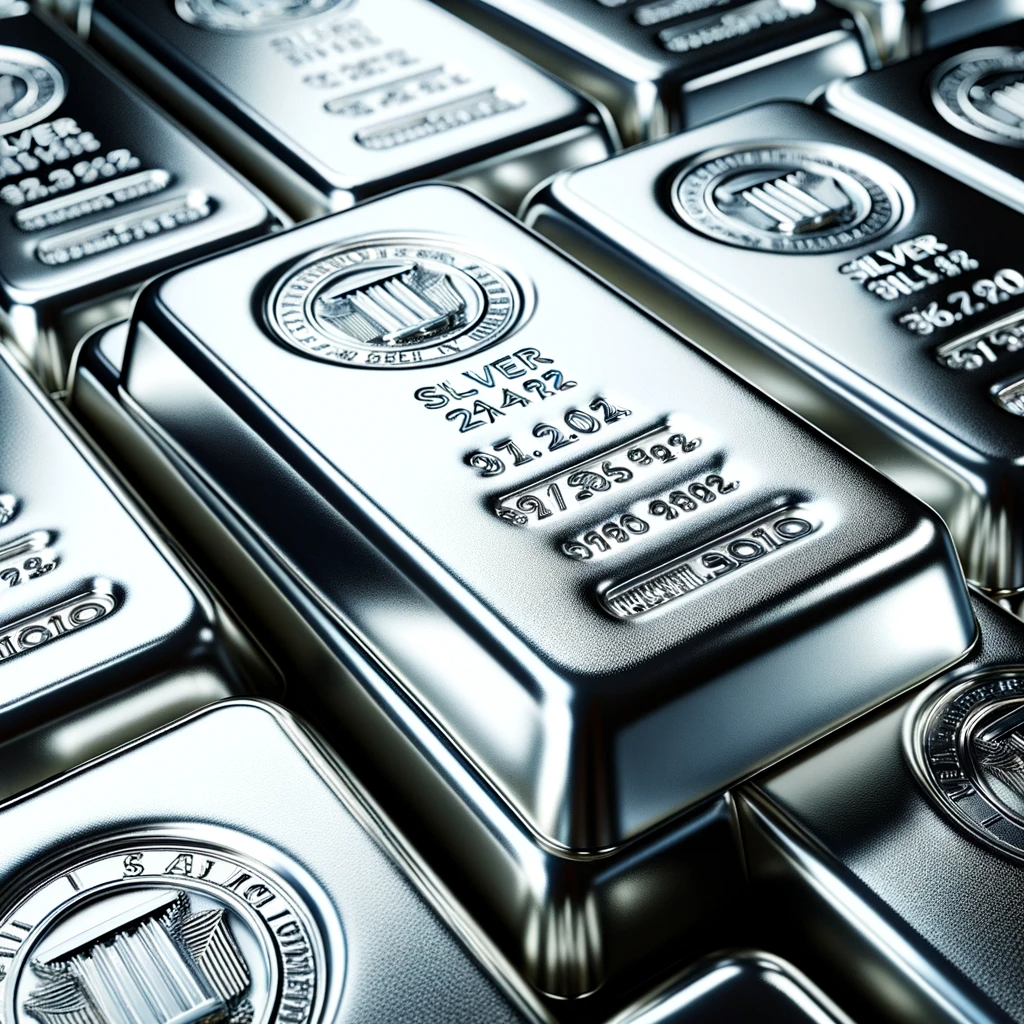
Investors wanting to own physical silver can weigh up silver coins vs silver bars – or, of course, choose to own both.
Silver bars have a straightforward appeal. Rather than paying for the collectability or legal-tender status associated with certain coins, investors can focus primarily on acquiring physical silver.
They’re generally rectangular, available in a huge variety of weights and produced by refineries and mints around the world.
For investment-focused buyers, one of their biggest attractions is that larger bars can offer lower premiums per gram than smaller bars and many silver bullion coins.
But not every silver bar is produced in the same way. The best place to start is by understanding the different manufacturing methods.
The way a silver bar is produced influences its appearance, finish and, importantly, its price.
There are four main types you’re likely to encounter.
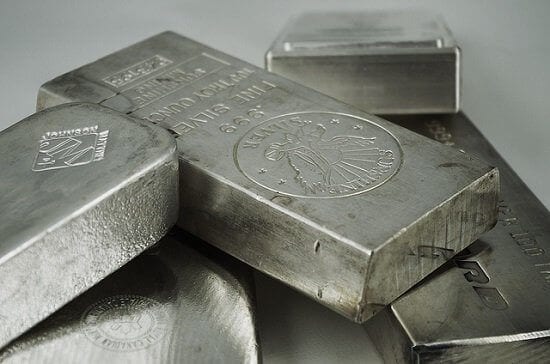
Cast silver bars are produced by melting silver and pouring it into a mould, where it is left to cool and solidify.
The result is the distinctive, slightly rustic appearance associated with cast bullion. Small variations, cooling marks and surface irregularities are part of their appeal rather than necessarily being defects.
Cast bars tend to dominate the larger investment sizes, where keeping production costs and premiums down matters more than achieving a highly polished finish.
For investors primarily interested in acquiring silver rather than presentation, that’s a major advantage.
Best suited to: investors prioritising silver content and value over appearance.
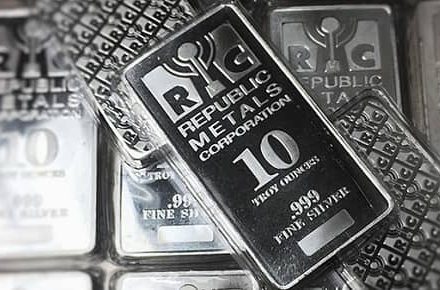
Minted silver bars sit at the other end of the spectrum.
They’re manufactured from precisely cut silver blanks and finished using dies to produce detailed designs, sharp edges and a highly consistent appearance – a process with similarities to the production of silver bullion coins.
Minted bars often come in protective packaging or assay cards displaying information about the bar and its purity.
They look fantastic and make popular gifts, but that additional manufacturing and presentation comes at a price. Minted bars will generally command higher premiums than equivalent cast bullion bars.
Best suited to: buyers who value presentation, gifting or collectability as well as the underlying silver.
Hand-poured bars are effectively an artisanal variation of the casting process.
Rather than being manufactured on a highly automated production line, molten silver is poured into moulds by hand. The process can create distinctive ripples, cooling patterns and irregularities, meaning no two bars necessarily look exactly alike.
That’s precisely why some people love them.
For an investor purely seeking the lowest possible premium, they may not always be the obvious choice. For collectors who appreciate the craftsmanship and individuality of physical bullion, however, hand-poured silver can have considerable appeal.
Best suited to: collectors and buyers who value individuality and craftsmanship.
Stamped silver bars are produced using mechanical presses to apply identifying marks and designs to the silver.
The method can provide a balance between efficient production and an attractive finished product without necessarily requiring the more elaborate production process associated with premium minted bars.
Stamped bars are particularly common in straightforward investment bullion where functionality and cost matter more than intricate design.
Best suited to: investors seeking functional bullion without paying heavily for presentation.
A practical guide to buying precious metals wisely and building your portfolio.
At the wholesale end of the silver market are Good Delivery bars.
These are large, high-purity cast silver bars manufactured to specifications set by the London Bullion Market Association (LBMA) for use within the professional bullion market.
A standard Good Delivery silver bar has a permitted gross weight of approximately 750–1,100 troy ounces, meaning individual bars can weigh roughly 23–34kg. Bars must also comply with requirements covering dimensions, markings and silver purity and fineness.
These aren’t generally the sort of bars a private investor orders for home delivery. They’re primarily designed to facilitate the efficient trading and storage of large quantities of silver within the wholesale bullion market.
For retail investors, the significance of the Good Delivery system is broader – the LBMA standards underpin an internationally recognised market for bullion produced by accredited refiners.
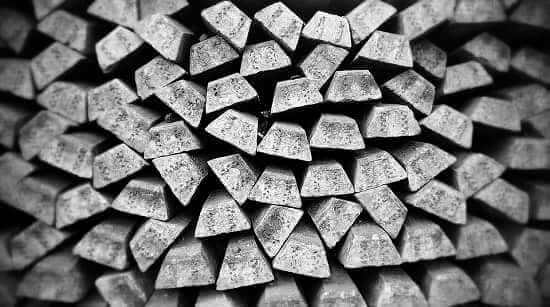
Large silver bars stacked for professional storage.
Silver bar and silver ingot are often used interchangeably, and in everyday bullion terminology there isn’t always a hard distinction between them.
Traditionally, an ingot simply refers to metal that has been cast into a convenient shape for storage, transport or further processing. Silver isn’t the only metal produced as ingots – the term is widely used throughout the metals industry.
A retail silver bar, by comparison, will typically be a finished bullion product displaying information such as its manufacturer, weight and fineness. Depending on the product, it may also carry a serial number or other identifying information.
So while you may hear both terms used to describe physical silver bullion, “silver bar” is generally the more useful description when discussing finished investment products.
Whichever terminology is used, buying recognised bullion from an established manufacturer can make identification and selling your silver more straightforward when the time comes.
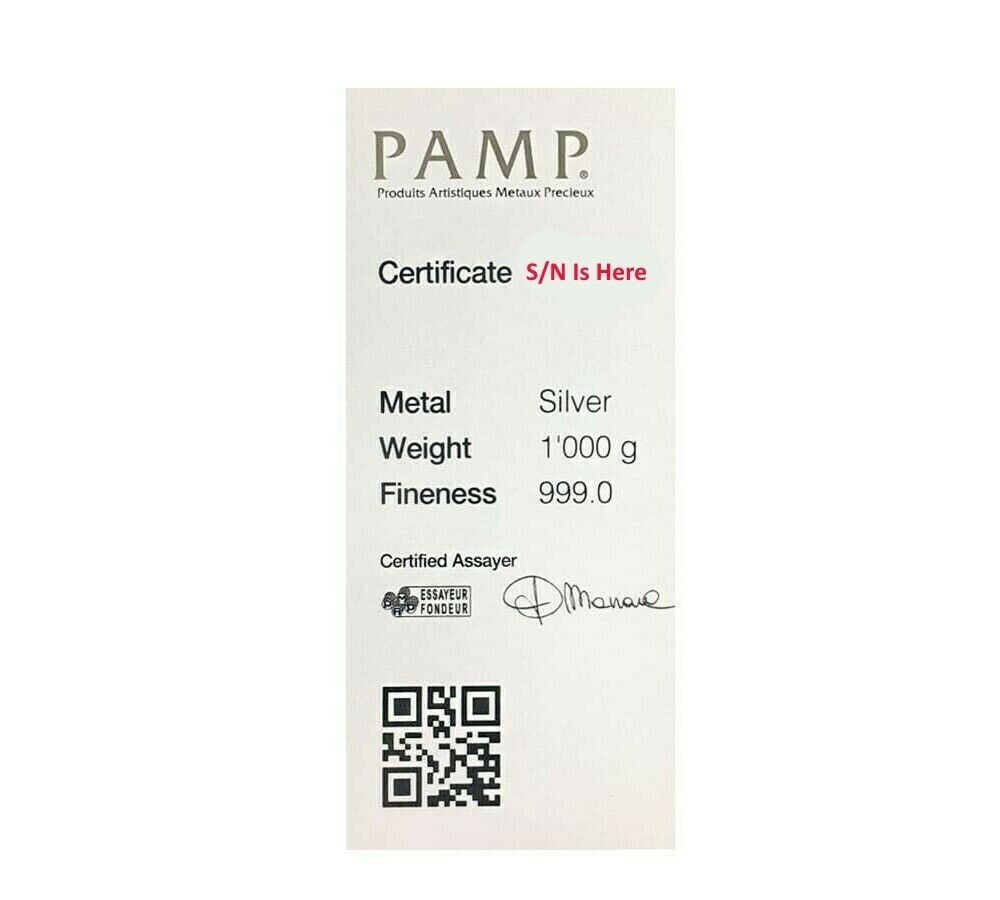
Many investment silver bars carry identifying marks such as the refinery name, weight and fineness. Some also feature individual serial numbers.
Depending on the manufacturer and type of bar, additional security or authentication features may include assay packaging, QR codes, holographic elements or proprietary markings.
These can provide additional reassurance, but they shouldn’t replace the basics of buying bullion from a reputable dealer and choosing products from recognised manufacturers.
For investment purposes, the reputation of the refinery and the ease with which the bar can eventually be authenticated and resold are more important than simply choosing the bar with the greatest number of security features.
Once you’ve decided to invest in physical silver, the next question is which bars should you buy?
There’s no single best silver bar for everyone. Your priorities will depend on whether you’re looking for maximum silver for your money, easy storage, collectability, gifting or a combination of these factors.
Not everyone buys silver bars purely to maximise the number of ounces they own.
Some buyers enjoy collecting different manufacturers, designs and limited releases. Physical silver is unusual in that it can combine an investment in the underlying metal with the enjoyment of owning the item itself.
Limited-edition or unusually designed bars can therefore command premiums above their intrinsic silver value.
But there’s an important distinction to make.
If you’re buying primarily for investment, don’t assume that a premium paid for rarity, presentation or design will necessarily be recovered when you eventually sell.
For straightforward bullion investment, the value of the underlying silver should remain the priority.
Silver bars are available in an enormous range of sizes, providing plenty of flexibility for different budgets.
But bigger bars will generally provide more silver for your money.
That’s because the cost of manufacturing, handling and distributing a bar represents a greater proportion of the value of a small bar than a large one.
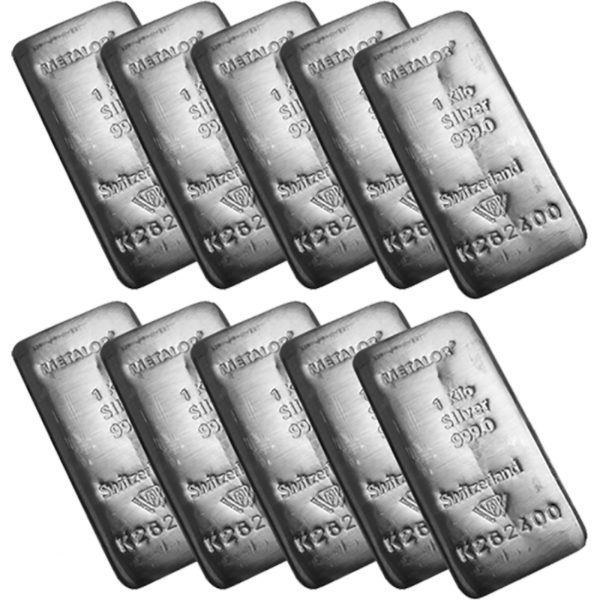
For investors focused primarily on value, larger cast bars – particularly around the 1kg size – can provide an attractive balance between competitive premiums and manageable size.
And manageability matters more with silver than many first-time investors realise.
Silver is far less valuable per kilogram than gold, with the relative value of the two metals reflected in the gold-to-silver ratio. As a result, investing substantial sums in silver creates a surprisingly large physical holding.
Spend £50,000 on gold and you could potentially carry your investment in one hand. The equivalent value in silver could consist of numerous heavy bars.
Storage and transport therefore deserve serious consideration before you buy.
The silver price is only the starting point when working out what you’ll actually pay for a bar.
The premium is the amount charged above the intrinsic value of the silver itself and reflects factors including manufacturing, distribution, brand, size and dealer margin.
Generally:
Even bars containing identical quantities and purity of silver can therefore sell at different prices.
If you’re investing rather than collecting, the goal is usually to strike a balance between low premiums and strong resale recognition.
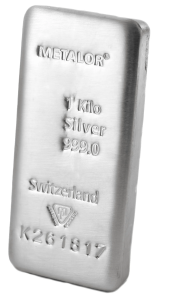
That is one reason recognised manufacturers such as Metalor silver bars can appeal – you’re buying a recognisable investment product without necessarily paying heavily for elaborate collectable presentation.
Understanding the premium you paid also becomes important when determining how much your silver bar is worth later.
For UK investors, VAT is an important consideration when buying silver bars.
Unlike investment gold, physical silver bought for delivery in the UK is generally subject to 20% VAT.
That’s a significant upfront cost and needs to be considered alongside the dealer premium when comparing silver investments.
There are ways to own physical silver without immediately incurring UK VAT where qualifying silver remains stored within an appropriate bonded storage arrangement rather than being delivered into the UK.
If VAT efficiency is important to you, read our guide to VAT-free silver before deciding how and where to hold your silver.
For many private investors, 1kg silver bars provide a particularly useful middle ground.
They’re large enough to benefit from significantly better economies of scale than tiny minted bars, while remaining far easier to store, transport and sell individually than very large wholesale bars.
Smaller 100g bars provide greater divisibility and require a lower initial outlay, but you’ll generally pay more per gram of silver.
Larger bars can reduce the premium further, but become increasingly cumbersome and reduce your flexibility when you eventually sell.
So the “best” size depends on your priorities.
Rather than automatically choosing the cheapest bar, investors should consider the balance between purchase price and future resale.
An obscure bar might save a little money upfront, but recognised manufacturers can provide greater confidence and familiarity when you eventually come to sell.
Ultimately, start by deciding what you want your silver to achieve.
If your priority is acquiring the greatest amount of physical silver for your budget, larger cast bars from a recognised refinery will generally make the most sense.
If you want something attractive enough to give as a gift, a smaller minted bar in presentation packaging may justify its additional premium.
Collectors may prefer hand-poured or limited-edition bars, while investors building a larger holding should give serious consideration to storage, VAT and how easily they can eventually sell portions of their investment.
There’s no universally “best” silver bar. The right choice is the one that balances premium, recognition, size, storage and tax treatment for your particular objectives.

We’re here to provide as much or as little guidance as you need on your silver investment journey.
Physical Gold offers a range of silver bars in different weights and from recognised manufacturers, enabling you to choose between value, divisibility and presentation.
If you’re unsure which size or type is right for you, call us on 020 7060 9992 or contact our team and we’ll be happy to talk through the options.
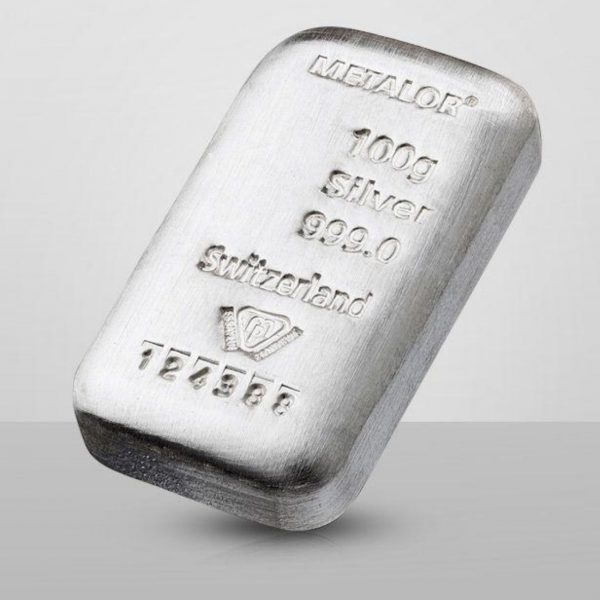
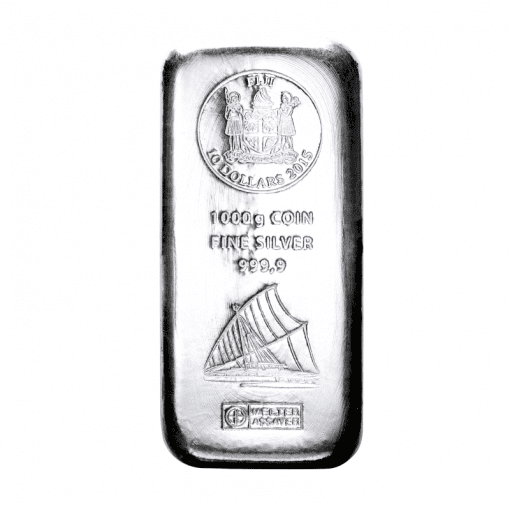
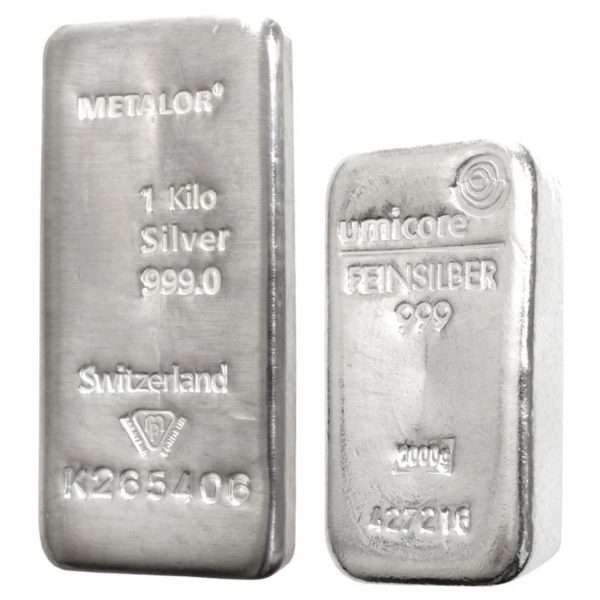
Cast silver bars are made by pouring molten silver into a mould and allowing it to cool. They tend to have a more rustic appearance and are popular with investors because larger cast bars can offer relatively low premiums.
For investors focused primarily on acquiring silver at a competitive premium, cast bars will often provide better value. Minted bars offer a more refined finish and presentation but generally cost more to produce and buy.
Hand-poured bars are individually produced and can feature unique surface patterns and irregularities. Their individuality and craftsmanship make them particularly appealing to collectors.
Stamped silver bars use mechanical presses to apply identifying information and designs. They can provide a practical balance between efficient production and an attractive finished product.
Not every silver bar has an individual serial number. Depending on the manufacturer, bars may instead or additionally carry identifying information such as refinery marks, weight, purity and security features. For investors, buying recognised bullion from a reputable source is more important than insisting that every bar carries an individual serial number.
There’s no single best size, but 1kg silver bars can provide a useful balance for many investors between competitive premiums and practical storage. Smaller bars provide greater divisibility, while larger bars can offer lower premiums per gram.
Physical silver bars bought for delivery in the UK are generally subject to 20% VAT. Certain storage structures can allow qualifying silver to be purchased and held without immediately incurring UK VAT, which is why investors should consider both delivery and storage before buying.

Share this post on:


Latest Posts:
Live Gold Spot Price in Sterling. Gold is one of the densest of all metals. It is a good conductor of heat and electricity. It is also soft and the most malleable and ductile of the elements; an ounce (31.1 grams; gold is weighed in troy ounces) can be beaten out to 187 square feet (about 17 square metres) in extremely thin sheets called gold leaf.
Live Silver Spot Price in Sterling. Silver (Ag), chemical element, a white lustrous metal valued for its decorative beauty and electrical conductivity. Silver is located in Group 11 (Ib) and Period 5 of the periodic table, between copper (Period 4) and gold (Period 6), and its physical and chemical properties are intermediate between those two metals.