





Timing Gold & Silver Investing
Is the time right for gold and silver investing? It’s true that, at first glance, when looking at the historical price charts for gold and silver, they can look like a bit of a rollercoaster. This might lead you to believe that gold will never reach the dizzying heights it once did.
The price of gold reached its highest point in 2012 when it soared to a record high of £1,200 per ounce. The picture for silver investing is similar to current prices much lower than at its peak. This means the current levels of both metals offers great value. No-one should want to buy at or even close to the all-time high. Current prices for gold are around 20% better value than at its height, with silver an astonishing 60% cheaper.
You can view graphs illustrating past performance over various timescales, by clicking here. They make fascinating reading, though we would always stress that they should be considered in context and not in isolation.
To learn more about gold and silver investing, download our FREE Insiders Guide now
2016 bull run
2016 saw both the gold and silver prices record around 30% gains by year-end. And although it might not yet have reached the heights of 2012, gold enjoyed a continuous upwards trend, hitting a top point of £1,050 per ounce in July of that year. In Q1, The World Gold Council reported gold demand was up 21% to 1289.8 tonnes – the second strongest quarter on record. First-half gold demand was up 18% – the second strongest on record – with gold investment accounting for almost half of that demand.
Silver also went from strength to strength, reaching its highest price since January 2015. The US Federal Reserve’s decision not to change interest rates, together with no indication as to when they might raise them, encouraged people towards investing in gold and silver.
More subdued gains in 2017
Precious metals enthusiasts saw more modest gains the following year. Starting the year at £935/oz gold finished the year around 2.5% up at £960. During those two points, it spends 3 periods north of the £1,000 mark, peaking in September at £1,030. This coincided with a strong performance in the stock markets with the FTSE 100 rising 7.5% and the Dow Jones an incredible 24%. Generally, when stock markets perform so well, gold has the least interest and its price suffers the most. So it’s encouraging in the grand scheme of a balanced portfolio that gold still returned around the inflation rate during such a period.
What can we learn from that?
This demonstrates that while gold can act as portfolio  insurance during economic downturns (usually appreciating by double digits), it still can act as a store of wealth in other years too. With cash deposits still paying well below the inflation rate in 2018, this simple achievement for gold shouldn’t be sniffed at. Essentially owning gold should be a long term strategy, as returns (and potential losses) can vary greatly from year to year. Trying to second guess the market and predict the performance is futile and relying on extreme luck at best. It’s always tempting to sell everything and only buy the investment that is performing the best at that time, in a hope to ride the gravy train. However, this strategy leaves you vulnerable to being hopelessly exposed to market corrections and change. Owning some gold along with stocks, bonds, cash and property, enables balance and more predictability.
….and silver? Has Bitcoin taken its mantle?
Silver experienced a poor year in 2017 with losses of around 3.5%. Some feel the price is being manipulated downwards by the huge banks which are looking to load up on the metal. If so, the price will inevitably bounce back with a vengeance when the banks want their holdings to increase in value. An alternative is that with stocks performing well under the new Trump administration and cryptocurrencies making millionaires seemingly overnight, silver simply hasn’t had a look in. Many have switched their attention from bullion to bitcoin. With the silver price so low and its huge potential for quick gains, it’s certainly been viewed as the exciting and go-to investment for those seeking significant price rises. With the likes of Bitcoin achieving this on a steroid level, the short term greed has switched all the attention away from silver.
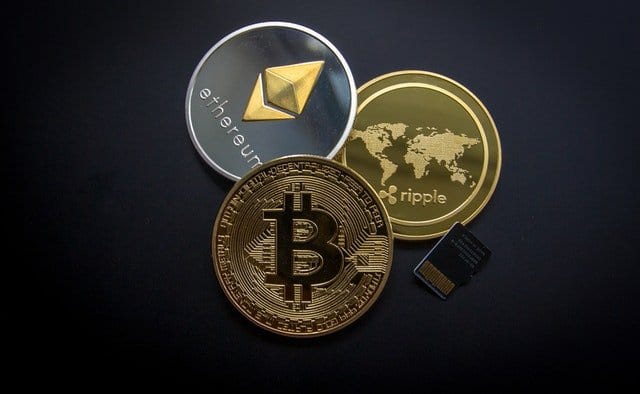
The likes of Ripple, Ethereum and Bitcoin have enjoyed the attention of the publicast
Will silver regain its shine instead of Cryptocurrencies?
However, as we now know in 2018, cryptocurrencies are incredibly volatile, on the downside as well as the upside. For the novice investor whose head has been turned by tales of instant wealth, there are now almost as many stories of overnight bankruptcy caused by incredible price drops for bitcoin. This period (after their initial glamorous price growth) will likely sort the wheat from the chaff. Naive investors will perhaps start to reconsider the value of cryptos, deciding either that they’ve now missed the boat, or that the risk of complete loss is too great. For the more travelled investor, they already know that investing in cryptocurrencies is similar to betting red or black in the casino. There is simply nothing tangible behind their value, and while the blockchain technology has its merits and will no doubt perform a critical role in our futures, getting rich overnight from Bitcoin could be over.
Silver to differentiate itself from Bitcoin
For savvy investors seeking large gains, they’ll know that while silver and cryptos can be grouped as higher risk, higher gain asset classes, they are almost opposites. While the likes of Bitcoin may have no tangible or intrinsic value, silver is a physical precious metal. Its value can never fall to zero like Bitcoin and its value is backed by something tangible that not only can be used as currency but also has vast industrial uses especially in the technology sector. For this reason, the investors left standing after the inevitable Bitcoin massacre will no doubt seek out silver once again as the go-to sexy investment.
Current silver and gold value represent a great opportunity and potential
2018 has started in a rather dull fashion for precious metals. Prices are still around 20% below their historical peak, so it’s still a very good time to invest in both gold and silver. It just goes to underline that it’s a lucrative opportunity, with room for growth and the possibility of sharp spikes. As of March, returns for the year have been virtually flat for gold and 7% down for silver. Combined with last year’s silver price squeeze, it’s now looking like incredible value. It’s the ratio to gold, which averages 47:1 over the past century, now stands at a staggering 80:1. Surely silver investing offers vast upside potential.
Crucially, the influential factors which tend to increase the demand for precious metals, are still very much in place. Global markets continue to be unstable, rumours of another banking crisis persist and a housing market slowdown has already started. Combine this with heightened terror threats and rising demand from Central Banks for gold, and it’s easy to understand why the precious metals market still has plenty of wind in its sails.
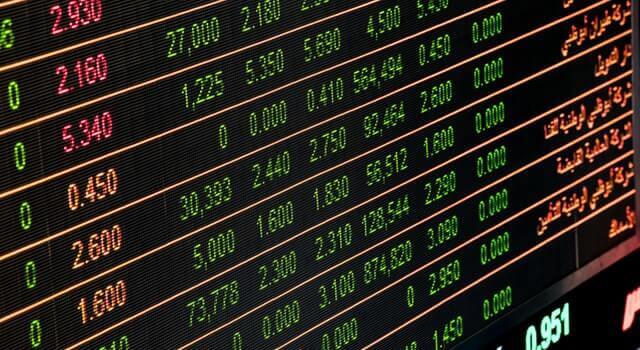
History tells us that stock markets are overdue a nasty correction
The calm before the stock market storm
Stock markets have now enjoyed nearly a decade of
uninterrupted growth since the 2008 credit crisis. Recently the Dow Jones has received further boosts from the Trump administration. It’s tempting to leave as much money in stocks while they’re doing well as possible. Especially while precious metals are taking a breather. However, every market analyst will agree that a simple glance at historical performance will tell us that equity market bull runs cannot and do not continue forever. More pertinently, the most severe market crashes come after the longest a strongest bull runs, which inevitably fuel an inflating bubble. This is similar to the fact that San Francisco sits plumb on the San Andreas fault line. A glance at historical earthquakes will tell us that with the constant movement of the earth’s crust, further events are not only likely but guaranteed. It’s a case of when not if there will be another huge earthquake. Not only that, but when San Francisco is overdue a quake, just like the stock markets are now overdue a correction, then the expected magnitude of that impact is far greater.
Maybe I can simply leave all my cash in stocks and switch to gold when that happens?
The best policy is not to try and predict the future, as that’s just witchcraft! Instead, we should learn from the past and understand that just like the earth, the markets are constantly moving and predicting the moment of a big eruption is impossible. We’d suggest leaving money in stocks (even after they do fall dramatically as you won’t want to miss out on the recovery, however long that takes). However, we’d also insist on owning some physical gold and silver too. The most prudent strategy with timing when to buy precious metals is simply to buy now and wait. As long as you allocate a healthy percentage of your assets into the likes of gold, then you’ll be protected when the markets do crash. My little saying is that I’d rather own gold 6 months, or even 2 years before the market crash, than a day after. Because then it would be too late.
What else could push gold and silver up this year and next?
It’s not only the stock market which is vulnerable. There’s plenty of other elements in the mix which are either brushed under the carpet by authorities or simply under-estimated.
Interest rates and housing market
After an extended period of record low-interest rates
in most of the globe’s major economies, we’re now starting to emerge into a new phase. Base rates have already risen in the UK and are predicted to continue rising in 2018 from May onwards. Rates in the US have also been rising, at a slightly faster rate. Rhetoric from central banks is that increases will be modest. However, the huge danger is the impact even small increases could have on the average man in the street. In a period of incredibly low or even negative wage growth, one of the few areas that have papered over the cracks has been property. With house prices seemingly on an unstoppable journey to the stars, the property-obsessed UK public felt comfort knowing their prize asset was at least rising in value. With interest rates near to zero, borrowing has been super cheap. So most of us have re-mortgaged, unlocking vast fortunes to fuel either extravagant lifestyles, or at least pay for the bills during lean periods. This increased leverage now leaves us vulnerable to the very interest rate rises we’re seeing now. When the starting point is as low as its been (0.25%), it only takes modest base rate increases to have a huge impact on our monthly mortgage cost, especially when cushy fixed intro rate mortgages periods come to an end. Check out our investigation into the relationship between interest rates and the price of gold and silver.
…and the housing market has softened
Not only are our monthly mortgage costs increasing, but the value of our property has stopped rising, and started to fall. This is a consequence not only of the international market struggling, with wealthy Chinese and Russians previously fuelling UK price growth, but also over the swingeing tax increases brought in by the current Government which has increased stamp duty so dramatically. We expect that firstly, more house owners will fail to pay their mortgages as interest rates rise, leading to more downward pressure on house values. For those who do manage to survive as costs increase, they will have less disposable income (with wage predictions stagnant), which will impact the high street and service sector, further crimping stock markets. Higher interest rates also mean higher new borrowing costs, which deters investment in corporate growth. All this will put even more pressure on the already unaffordable rental market. It’s common to compare gold investment versus property, but both should play crucial roles in a balanced portfolio.
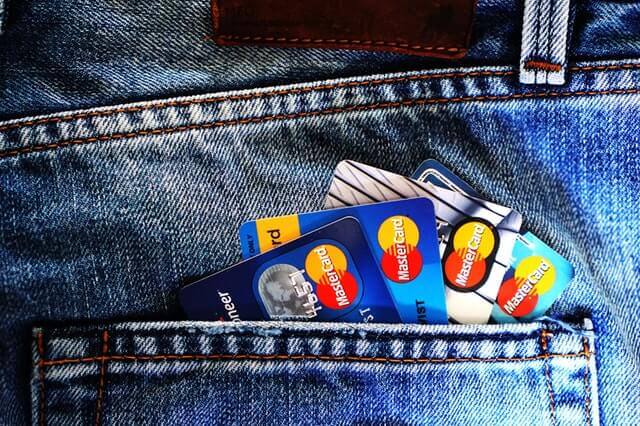
A consumer credit bubble is already at bursting point
UK consumer credit bubble
With the pressures of interest rate and mortgage rises, the public’s other debts will also come under pressure. Two particular concerns are the car market and credit card sectors. Both industries are enjoying record high borrowing. However, as lenders feel the squeeze from higher rates and more defaults, we’re likely to see stricter borrowing requirements and higher rate deals. A record number of UK borrowers are currently on zero per cent credit card deals which are likely to begin to reduce in availability. People will then struggle to refinance their debt at anywhere near the levels they’ve been used to. In the automotive industry, a growing trend has been for leasing cars. Whether on outright monthly lease deals or borrowing with a balloon payment at the end, many drivers will struggle to continue financing their car. Certainly, the hunger for new cars every 2 to 3 years will likely diminish.
The technological age is slowing crushing the high street
Early 2018 has brought with it fresh casualties of the ever-growing high street demise. Toys R Us and Maplin have both gone into administration, while seemingly popular food chains, Prezzo and Jamie’s Diners are closing a large number of restaurants. Perhaps this doesn’t come as a surprise. You could argue that Maplin has always been incongruous and never really had mass appeal. While kids love the experience of Toys R Us, adults who buy the games are now far more likely to order from Amazon and benefit from lower prices and next day delivery. Either way, this trend of weeding out the weak, however large the company, is likely to continue as the public turn their back on the high street and embrace online shopping. The frightening consequence is the sheer loss of long term jobs. Automation is filling the role of so many which will have a long term negative impact on an already growing population. Read our blog on the future of gold in a cashless society.
Brexit, Trump and Russia
There isn’t enough time to cover every simmering possible global issue which could push gold and silver prices skywards. But certainly, a handful of other significant issues would be the ongoing threat to the UK from Brexit. Whether this has a direct impact on our economy, a slower longer-term influence or is simply negative to Sterling, this is one which will stay on the radar for a while to come.
Donald Trump hasn’t blown up the world yet, but who knows about tomorrow! None of us would be shocked if he develops his trade war with China, instigates a war with the likes of North Korea, or simply makes some terrible domestic decisions in the world’s biggest economy. Either way, in today’s ultra globalised economy, foreign issues have more impact on the UK than ever.
The recent tensions between Russia and the UK after the poisoning accusations could be a storm in a teacup. However, the Government’s strong condemnation of Russia suggests there could be a hidden agenda. With Putin now flexing his muscles, I’d rather own gold right now to provide diversification, just in case this escalates (especially as Russia have been stockpiling gold aggressively themselves over the past few years).
Long term view for gold and silver investing
The value of gold and silver may be volatile, but owning them as part of a portfolio reduces your overall personal volatility. They tend to act as a balance to the traditional paper assets (like stocks and shares), so when those markets fall, physical gold and silver have historically risen. The motivation for many gold & silver investors aren’t necessarily to time the market perfectly; instead, it’s to take a long term view to provide balance and protection to their overall wealth. This way, exact timing isn’t important, as the long-term hold should outperform any short-term price drops and still deliver portfolio insurance.
So there’s no need to worry that gold prices might appear to plateau from time to time. You should consider investing in both gold and silver, which remain very worthwhile, solid, tangible investments.
Cost average to iron out volatility
If you’re still unsure and concerned about timing, then our ‘Monthly Saver’ enables you to purchase regularly. You can set up to automatically buy a small quantity of gold or silver every month. This means that if the price does decrease from one month to the next, it benefits you, as your next purchase would be at a lower rate.
Over time, you buy each month at the various underlying prices, therefore averaging out the cost of your precious metals. It’s a great way to get started in gold and silver investing.
The main message is that it’s necessary to take the long-term view. As with any investment, prices will go up and down, but as these graphs illustrate, the rewards can be well worth it. If you’d like to find out more about this type of investment, why not Download our free guide to investing in gold and silver. We maintain gold and silver are still very good value and worth their weight in, well… gold and silver!
Recent days have seen the gold price rise to 2-month highs as markets desperately seek a safe haven from mounting geopolitical tensions.
Be Prepared
Only a couple of weeks ago, the summer holidays were in full swing and the gold market settling into a slumber, ready to awaken for Autumn. However, in a matter of days, the market has sparked back into life. Initially moving up on the back of downgraded UK growth forecasts, then propelled further as gesturing from the Korean peninsula and President Trump reached new highs (or lows, depending on your view!). This is a classic example of how it’s never easy to anticipate such market events. Even in the depths of a summer slumber, the world can change overnight. This supports our notion that you should look to add gold to your portfolio ASAP as part of an overall balanced strategy, and then you’re prepared for any outcome. Reacting to a huge event by adding gold afterwards is usually too late.
North Korea Sanctions
In a response to North Korea’s nuclear weapons program, the UN Security Council passed a new series of sanctions on Pyongyang last weekend. This followed the latest intercontinental missile tests from Kim Jong Un. The idea behind the new tougher sanctions is to cut off up to a third of the country’s export business, strangulating the funding for the nuclear project. However, the nature of North Korea’s leader has meant previous sanctions have failed to bring North Korea to the negotiating table, and if anything has made them more determined to push ahead with the program. China and Russia, two major trade partners with North Korea have supported the new sanctions.
A War of Words
With President Trump now firmly in his new seat, his muscle-flexing is surpassing anyone’s expectations.
Trump’s bullish promise of releasing ‘fire and fury like the world has never seen’ if North Korea continue to threaten the US only provided encouragement for Kim Jong-un to retaliate. Recent US intelligence confirmed the regime had been successful in creating nuclear warheads small enough to fit into ballistic missiles. After denouncing Trump’s comments, North Korea revealed plans to fire missiles towards the US Pacific territory of Guam, where they have 6,000 service personnel at a base in the north as soon as the middle of August.
This threat has put the world on red alert. The US responded by warning this would spell the end of the current regime in North Korea, with US Defence Secretary Jim Mattis suggesting North Korea would be ‘grossly overmatched’ in any conflict.
Expectations
While most of us don’t want to contemplate financial affairs during the holiday season, it seems that macro events may well force our hand. Infact, we’ve seen more first time buyers this year than ever before as the realisation of a brave new world hits home.
As well as the political tensions in Korea, economic instability over the medium term seems likely to further support gold and undermine stocks. Coverage of Brexit has managed to push some of the real concerns under the radar. The Pound weakened last week when the UK’s Monetary Policy Committee announced lower growth forecasts and poor a wage outlook. Concerns increase about a growing debt bubble in the UK with car leasing debt at all-time highs and credit card debt coming under pressure from maturing zero-interest offers. With interest rates on the rise in the US, that may put pressure on others to follow. With rates at historical lows, it doesn’t take too much of a rise to increasing mortgage payments by a high percentage. This all combines with continental hardship which hasn’t recovered much from the financial crisis of the past decade, and recently we’ve seen both French and German banks requiring Government support.
All this uncertainty and instability could push the gold price higher, especially if the Pound comes under further pressure.
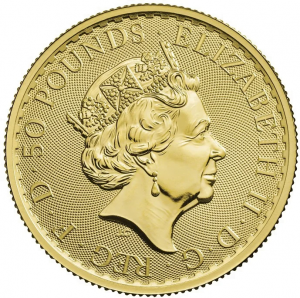
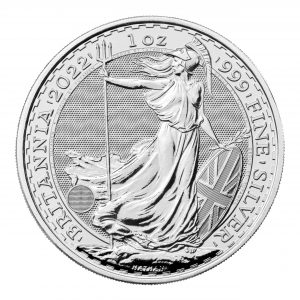
With UK coins being completely tax-free, buying Sovereigns and Britannias can act as a hedge against political and economic unrest. Adding gold bullion to your SIPP can provide balance and peace of mind to your long-term savings plans.
Falling Gold Price
With the French Presidential election imminent, political turmoil in the East, and a suggestion that the Federal Reserve is likely to increase interest rates, we are seeing an erratic slide, and drastically pessimistic view, on the price of gold over recent weeks.
The speculation of rises in rates alone, tend to have a negative effect on the price of gold, but the combination of the above factors have caused the metal’s price to drop so dramatically in the past two weeks, that many investors are questioning why this is. As a rule of thumb, economic instability and political turmoil has an inverse effect on the price of gold, as we usually see an increase in demand, and therefore an increase in the price. However, as Investing.com report; “that is not happening and Gold is having a rough day in the market today”.
With Gold prices currently trading at around £955 per ounce, compared to the mid-April price of £1033 (a decrease of approximately 7%), the question is whether the prices will rebound soon and is your physical gold investment safe?
To understand just what is happening and the possible longer-term effect on the gold price, we have to consider a number of geopolitical factors, including the French & UK elections.
Wondering how best to protect yourself with gold? Download the FREE Ultimate insiders guide now
The French Election
Looking at the price of gold, there was a sharp overnight drop following the first round of the elections,
and a continuing decline since. The French Election first round results, and the potential outcome on May 7th, will certainly be having an impact on the metal’s pricing, but we must bear in mind that the price started to slide, prior to the results of the first round.
Opposing one another in the Elections, are Independent Emmanuel Macron and Front National leader Marine Le Pen. Both have withstood first-round elections and have created quite a bit of controversy among the French. This dissent is spilling out into the streets in the form of protests for and against both sides.
Early polls indicated Emmanuel Macron would comfortably beat Marine Le Pen, in the second round, but many are sceptical and have not forgotten the unexpected Brexit result in 2016 – meaning that nothing can be taken for granted. Some are saying that if Le Pen wins, then the EU would be facing its largest disaster to date, even overshadowing Brexit. This uncertainty, combined with many other pertinent political issues that are important to the future of the country, are affecting the economic outlook and contributing to the instability that is being encountered.
A year of Global political Change
As with any election year, geopolitical tensions can run high and have a significant effect on precious metals. 2016/17 will undoubtedly go down in history as the year Global politics fundamentally changed. With a growing anti-establishment sentiment, The FT.com has referred to it as a “year of political earthquakes”. Later in 2017 (September – October), Angela Merkel will be looking for a fourth term in office. However, she faces a huge electoral challenge as the anti-immigrant, anti-euro ‘Alternative for Germany’ aim to take advantage of her liberal views on immigration and her in-party problems. What, with Brexit, Trump and more recently, a call by Theresa May for a snap General Election in the UK in June; 2017 and beyond is certainly looking like it could continue to be a very difficult period in politics. Certainly, the past year has proven that any assumption of political outcome, is quite dangerous.
US Economics and the price of gold
Politics isn’t the only factor influencing the prices of physical gold. Economics, naturally, have a massive impact and can cause gold prices to rise or fall sharply, in a matter of minutes. Policy statements by the US Fed and the monthly jobs reports are major catalysts for growth or catastrophic blows.
The latest US Employment report is due out on Friday 5th May and many experts are predicting a robust recovery in the jobs market, meaning unemployment rates in the US are dropping. However, an increase in US labour figures, equals higher inflation rates, subsequently suggesting the Fed are likely to introduce higher interest rates in June. Analysts are predicting that this is very likely to happen. In fact, the probability of this was recently upgraded from 67% to 97%, with the Fed confirming that they remain confident in the US economy.
So, how does this usually affect the gold price? Gold is inversely correlated to the interest rate trends because higher interest rates mean people and businesses are hit with higher costs, causing earnings to fall and people having less disposable income. From a business perspective, this can negatively affect the growth of a company and results in falling stock prices. Usually, declines in equities mean the price of gold increases, however, what we’re seeing at the moment, is a combination of factors, creating an unusual pattern.
Equity Market Bubble (but is it about to burst?)
Incredibly, the markets have been rising for a number of months now, with some European Equity Markets at record highs. This is causing some concern amongst the experts, with the belief that the markets are in dangerously high territory. So much so that many are warning of a stock market ‘bubble’, which could catastrophically burst at any time.
And although not quite agreeing with the term “bubble” even the experts at Seekingalpha.com certainly agree that stocks are currently overvalued.
A strengthening pound
The pound has gone from strength to strength since Theresa May signalled her desire for a UK General Election on June 8th. We have seen the pound massively benefit from optimism over the result of that election; infact, it hit a six-month high following the announcement, with a four percent gain against the US Dollar. Even if the underlying gold price remains unchanged, an appreciating Pound will push the value of gold down in the UK – which is what we’ve seen since the snap election announcement.
What can we expect of gold in the coming months?
One major factor in June, that will determine the gold price, will be the Fed’s decision on interest rates. If the rates rise, as predicted, this will undoubtedly impact the current stock market ‘bubble’ and indeed may be the catalyst for gold’s recovery – especially if the dollar also rallies.
Buy Gold whilst prices are low
Daniel Fisher at Physical Gold says “For many investment professionals, Gold is the investment of choice during geopolitical and economic turmoil and savvy investors take advantage of these lower prices, buying gold in bulk to add balance and diversification to their portfolios”. If, as an investor, you’re thinking of starting your own gold nest egg, then you should take advantage of today’s prices and simply ensure you buy at the best price you can find.
What drives the price of gold? While many people think that the jewellery industry is in charge of how gold is priced and why the value of gold increases or decreases depending on the time of year, there are actually many factors attributed to this. With gold being highly sought after by the jewellery, medical and technology industries, where does that leave investors? Do gold investors have a part in the price of gold? What factors really drive the price of this precious metal? Let’s take a closer look at the many factors driving the price of gold in today’s markets.
Central Bank Reserves
Many of the world’s nations have reserves that are composed primarily of gold and their central banks hold paper currencies and gold in reserve. When these central banks begin buying more gold than they are selling, the price of gold rises.
Learn all about gold investment, with the Ultimate Insider’s Guide to gold. Download FREE
Value of the U.S. Dollar
The price of gold is inversely related to the value of the U.S. dollar. When the dollar is strong, the price of gold decreases, and when the dollar is weak, the price of gold increases. The reason for this is that people invest and trade in dollars when the dollar is strong, and when the dollar is weak, they prefer to invest in gold either through gold funds or physical gold.
Jewellery and Industrial Demand
The price of gold is affected by the basic theory of supply and demand. When the demand for consumer
goods such as electronics, medical devices and jewellery increase, so will the cost of gold. With India, China and the United States being the largest consumers of gold for jewellery in terms of volume, the security of a gold investment is even more evident.
Wealth Protection
When an economy goes into a recession, people turn to gold investments due to its lasting value. Gold is often used as a hedge against currency devaluation, inflation or deflation and its price will increase when the expected or actual returns on bonds, equities and real estate fall.
Gold Production
The top gold producing countries in the world are China, South Africa, the United States, Australia, the Russian Federation and Peru. Gold production affects the price of gold and with gold mine production increasing by about three percent annually, gold prices should remain stable for quite some time. Another factor that arises from the mining of gold is that all of the “easy gold” is already mined and now gold mining companies must take extra precautions when mining the precious metal. These extra steps cost more money and this increase in the cost of gold mine production results in rising gold prices.
If the thought of a dependable investment that offers stability and an excellent return on your investment appeals to you, contact Physical Gold today and let one of our investment professionals assist you and answer any questions you might have about investing in physical gold.
Gold Price in 2015
It’s a universal truth that, whichever way you look at the figures, 2015 wasn’t a good year for the price of gold, but that leads us to two important points…
- A year is still a very short period of time when it comes to framing investment performance and it’s worth noting that gold’s ten year performance still averages 11% annual returns, despite the gold price in 2015 dipping. As Warren Buffet once said, ‘our favourite holding period is forever’.
- In addition to this, the falls of 2015 created an excellent buying opportunity. As gold was well off its peak, those yet to enter the market were presented with an ideal opportunity to do so.
Gold in 2014 ended at $1,183.90 (per ounce) and closed out 2015 at $1,060.30. In Sterling terms, this represents a more modest gold price fall of around 6.5% during the year.
This fall in the gold price was driven by a number of factors throughout the year, but the single most influential one was that investors were waiting to see what the US Federal Reserve was going to do with interest rates. With gold often priced in US$, any minor change in the US currency is analysed closely and there is little doubt that the mooted rate rise throughout 2015 – and eventual decision to raise in December – had a large impact.
What does this mean for you in 2016?
Related – 5 Steps to gold investment
This again means two things for investors:
- When the rate settled, gold began to rise almost immediately in 2016, with particularly strong price rises in February. The world economy also continues to encounter challenges, which historically suggests further strong performances for the price of gold. For those wishing to sell some or all of their holding at this point, this is obviously encouraging. Gold has hardly been below $1,200 since the start of February, representing potentially good profit – depending on when a purchase was made. These sharp rises are great news for investors wishing to release their capital and lock in profits.
- Even with these recent price rises being good news, the longer term – with a climate of economic uncertainty, potential ‘Brexit’ in the UK and an open Presidential race in the US – bodes well for gold. It’s still 30%+ off its peak in 2012, which suggests there is plenty of room for growth, especially in a climate likely to encourage upward price movement. Therefore gold still presents a fantastic buying opportunity for new investors, or those wishing to supplement current holdings.
With gold price in 2015 behind us and a hugely positive start to 2016, it currently appears that next year’s price analysis could be a much more positive review.
;
Gold Price Rise
There has been great news for holders of gold in early trading this year, with the gold price rise of over 15% since the start of the year. February has proven to be a bumper month for investors, with gold finishing strongly to post the highest gains across a single month for over four years, at a little over 10%. To put this into perspective: gold has been amongst the strongest asset classes in 2016, outperforming oil, emerging markets, the S&P 500, the US dollar and the bond market.
One American analyst has even gone as far as to say that buying gold today may be comparable to ‘buying stocks in April 2009.’ The same analyst, predicting further positive future returns for gold, noted that between April 2009 and November 2015, the S&P 500 Index charted a 145% rise.
 Protection
Whatever the future holds, the gold price rise to $1,230 per ounce by the end of February (up from $1,050 shortly before Christmas) has shown once again that it’s the ‘go to’ option for the protection of wealth. Gold has historically risen during periods of economic uncertainty and, so far this year, it is showing that it still possesses those desirable qualities for investors. With concerns around China, the wider world economy and Britain’s potential exit from the EU, it’s little surprise that gold has created both potential buying and selling opportunities for those who do and do not currently hold the metal as part of their portfolio.
In fact, gold holders are benefitting in two distinct ways from the discussion of Britain’s potential ‘Brexit’. With business leaders and markets worried about the impact on the economy, should Britain turn its back on the EU, it’s fair to say that gold’s price has been buoyed. Whilst this has been happening, however, sterling has also fallen against the dollar, further boosting the sterling price of gold for UK investors. In Sterling terms, gold has risen a massive 22% this year, with 14% of that coming in February alone.
On a day to day level, we’ve seen a huge spike in enquiries with investors moving quicker to complete a purchase than at any time since 2008. In contrast, there have been few sellers, with most wishing to hold their position with more price rises predicted on the horizon.
With so much demand, supply of the right type of gold is starting to become squeezed – another sign that prices will continue to rise and possibly also increase premiums in the near future.
These factors, combined with the prevailing economic winds and the ongoing political climate, look likely to mean one thing: it’s going to be a very interesting year for those of us who hold gold!
One of the most significant headlines in financial markets over recent months has been the dramatic fall in the oil price to $50 a barrel. But is there a direct relationship with gold and will a sustained low oil price drag down the price of precious metals?
Share prices tumble
With the FTSE 100 index heavily weighted towards oil, the continued fall in oil prices has pulled the index lower in value too. It’s been a hugely volatile period for equities but not all of this turbulence can be solely credited to plummeting crude prices. European stocks have dropped dramatically due to concerns that Greece’s upcoming election will lead to the Hellenic Republic leaving the Euro and its austerity promises behind. The consequence would be considerable debt write-offs for many institutions and investors and reported Quantitative Easing by the EU in an attempt to prop up the floundering region. Similarly, the recent terror strikes in France, with additional threats globally has put further pressure on the stability of equity markets.
Clearly the gold price has benefited from these falls. As the traditional safe haven investment, many investors have switched into gold to protect against the volatility. However, oil can’t be granted full responsibility for the equity turbulence as markets still struggle with the fallout from the ongoing global financial crisis.
Falling oil price has led to lower petrol prices
Petrol prices have fallen from £1.27 / litre in November to around £1 / litre now. In theory, this should put more money into consumers’ pockets – driving up the economy and gold down. However, the fall in the pump price doesn’t get close to reflecting the fall in the oil price as so much of the petrol price consists of tax. This effect has diluted oil’s impact. With other factors still holding the economy back like low wage increases, lower petrol prices alone aren’t enough to spark an economic surge.
Cheaper production costs
With the oil price tumbling, it isn’t only consumers who could benefit from lower fuel prices, but corporations too. Anything which requires transport could see costs fall while the oil price remains low. It’s just doubtful that companies will choose to pass any savings onto consumers. Gold mines have struggled over the past 18 months with gold’s price falling below the cost of production. With oil making up a substantial element of their fixed costs, many may perceive the low crude price as the saviour they needed. Lower oil prices could well end up keeping some mines in business who may otherwise have shut down – maintaining gold’s supply source. However, with such lean times recently for the gold miners, it is unlikely that low fuel costs will be passed on as lower gold prices as they seek to make up lost revenue during the recent mine squeeze.
Gold up 5% this year
Despite oil’s fall, and prediction to continue falling towards $40 a barrel, gold has started the year robustly. While it’s risen strongly in Dollar terms by 5%, its performance in Sterling is even better at 7%. Not bad in a fortnight. This demonstrates that while oil has some degree of impact on the gold price, it is impossible to draw a direct correlation. There are simply too many other factors at work.
Indeed, some of those who may suffer the most by the falling oil prices are the Russians and some Middle Eastern producers. These are the very same investors who have provided the impetus for the UK economy by focusing much of their investment in the UK. Take away the momentum from these guys, and the UK economy may yet be pulled back, sparking another rush towards gold. So while the Ukraine invasion may not have made an immediate impact on your gold investment, it may well be doing now.
After treading water for most of the first half of the year, gold price prospects may finally be improving
After last years dramatic fall in the gold price, precious metals enthusiasts were hoping for an immediate bounce upwards which never came.
However over the past few weeks the price has crept steadily higher and gold price prospects over the second half of 2014.
Golds perfect storm comprises of three elements:
1.Continued economic weakness
Recent disappointing US job numbers, a shrinking German economy and frozen wage growth in the UK have provided a catalyst for gold. With a rise in UK interest rates now postponed until next year, Sterling weakness is pushing the gold price up for UK investors as its base price is in US Dollars.
This provides a double whammy for British gold buyers: The underlying price rising with safe haven demand, combined with further gains in Sterling terms due to a weakening domestic currency.
2.Middle East unrest
Political instability leads to a flight to safety, directly benefiting the gold price. With growing unrest in Iraq and Israel/Palestine, the cost of military involvement will fuel the safe haven appeal and increase the US deficit. Just as importantly, economic sanctions against Russia for the crisis in Ukraine could yet impact global growth, especially as Russia retaliate by pulling funds from the UK and US.
3.Sub-continent push
Finally, autumn tends to bring the usual seasonal push for gold in response to the huge spike in demand from India in time for its wedding season. There’s no guarantee that this will push gold higher in Q3 but it does seem to 9 years out of 10.
Batten down the hatches
With all three elements working together, we should finally see sustained growth in the gold price, especially in Sterling terms. So strap yourself in and don’t be tempted to sell if there’s volatility along the way.
Recent gold price fall
The 14% gold price fall over the last few days has stunned the market into a panicked selling frenzy! Gold wasn’t alone in its descent and in fact all commodities have lost considerable value. With less people trusting the banks after what happened in Cyprus and now Portugal people are now starting to ask what shall I do?
The answer is straightforward but before we go down that road I want to make it clear how we got here:
It wasn’t long ago that the vast majority of market participants
and analysts were predicting $2,500 an ounce for gold some even by the end of next year. These predictions were made in the face of weakening global economic circumstances. Europe is technically bankrupt and cant afford to repay monies borrowed. Cyprus has just set a dangerous precedent of helping themselves to peoples bank accounts in order to raise money. People are of the opinion that this could happen in Portugal and wider Europe and consequentially people are being turned off using banks. Confidence has dragged European stocks down and wealth is dissipating into thin air.
Have all of these problems disappeared? I very much doubt it! In fact to the contrary its got even worse.
- Cyprus is still short of considerable cash and announced last week that they will have to sell 400m Euros of gold to raise money. Such of move would of course push the price of gold down. The institutional investors, hedge funds and traders saw this as a huge opportunity to take their profits and sell before Cyprus does. The intention was of course to manipulate the price and create a downward spiral so that the institutions could buy back into the market circa 7/8% cheaper!
- Simultaneously the U.S decided to jump on the band wagon and re-iterate its commitment to no further money printing. Something they always do months before they hit the button on the money machines. This strengthened the greenback and further depressed the gold price.
- Traders around the world had lost considerable money on sinking European stocks and as such needed to cover losses and margin recalls by selling gold; this further depressed the price
- All of the above created a knee-jerk selling frenzy which continued the downward spiral and again triggered automatic sell orders for the traders.
I forgot to mention that the hedge funds and larger institutions are now taking advantage of the 14% discount and buying back into the market. Cyprus never sold in the end nor did Portugal. Its now clear to see who benefited from the gold price fall!
 The end result is that gold is now 14% cheaper than it was 10 days ago. This coupled with the fact that the worlds problems are still more a concern today than they ever were surely means that gold now represents a stronger buying opportunity.
The light at the end of the tunnel for gold and silver market bulls, as far away as it may now seem, is that blood in the street is usually a value-buying opportunity that occurs only a few times in a decade, if that much.
Drop in value of gold
The relevance of this question is prevalent in the recent fall in value of gold has endured over the last 5 weeks.
“The resurgence of risk appetite over the past month has seen investors sell gold, and position themselves for ‘the worst is over’ scenarios.” This approach may prove to be a little short sighted.
However the smart money should be the only trend to follow. Gold’s lower buying price has prompted a buying frenzy in China, Brazil and India. The recent fall in the gold price has attracted Central Banks around the world to use its current value as a buying opportunity, prompting a gradual rebound in gold positions.
Download our FREE 7 step cheat sheet to successful gold investing here
So why on earth aren’t everyone and anyone previously interested in gold using the current price as a bargain buy? The answer is a psychological one. It might seem strange but the cohorts of the market who are new to this area tend to buy when the market is at its highest. In August 2011 – gold was at an all-time high and this prompted a surge in demand from 1st time buyers and less demand from institutions and central banks. In 2013 – the price has come down and the trend has reversed itself.
Central bank demand for gold
The factors that countries are taking into account when deciding to take additional protection and to use gold’s price as a buying opportunity:
• The UK has just been stripped of its AAA credit rating
• High and rising inflation leaves the UK market with less purchasing power
• PWC has indicated more businesses like HMV, Jessops and Blockbuster to fall into difficulties
• The US economy unexpectedly took its biggest plunge in more than three years last quarter, indicating a new level of vulnerability for the economy
• The US is committing more money to the money supply through increased stimulus measures
• The Bank of England is being pressured to follow suit and kick start a fresh QE programme
Commentators have referred to the recent stock market rise as nothing more than a “W shaped recovery” with strong expectations that a correction is looming. If they are right and if the financial Status-Quo continues – market participants that don’t snap up this buying opportunity may well regret not acting sooner.