





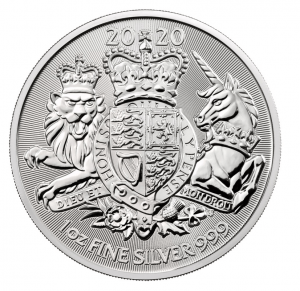


Physical Coins and Bars
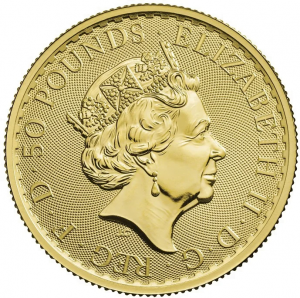
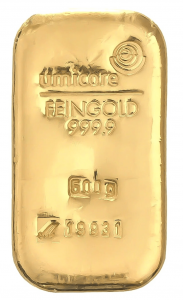
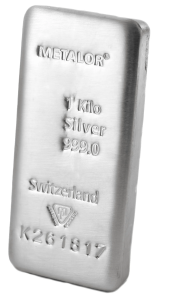
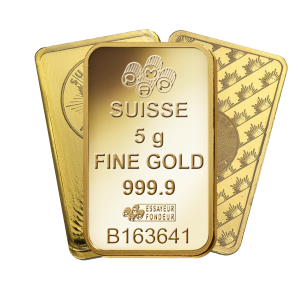
The joy of owning physical gold coins and bars lies with the enjoyment of holding it in your own hands. The sheer weight of the gold, coupled with its unparalleled beauty, reinforces the knowledge and comfort of owning something of real value. With so many ‘paper assets’ becoming worthless overnight, the tangible nature of physical gold remains one of its most compelling selling points.
However, the one danger of keeping such a valuable asset in your possession is the threat of theft. So if you’re considering investing in gold, read on.
It seems that a particularly well-organised crime ring in the Greater Manchester area is well aware of this vulnerability. They also know that gold is synonymous with the Asian market where it has been bought and kept by Indians especially for many years. This tradition has clearly flowed over to British citizens of Asian origin, as this particular crime gang realised. They’ve been targeting Asian families in Manchester and Salford for their gold coins and bars.

Show me your gold
The gangs of men have been known to smash through patio doors with a brick to enter premises, fully clad in balaclavas and wielding machetes.
As well as demanding car keys, the thieves have asked: “Where’s the gold?” Some have even asked this question in Punjabi, suggesting that their knowledge of the gold’s existence stems from some of them being Asian themselves.
The spate of attacks has been particularly frequent in the Spring and Summer months, renowned as the Indian Wedding season when many Asian families purchase gold as wedding presents.
Clearly, the thefts have left many families feeling vulnerable and considering alternative places to store their gold.
Secure stores for gold
The whole point of owning physical gold is to have peace of mind that you possess something of real value. Therefore if you’re losing sleep over a safe place to store it, then it makes sense to pay for somewhere secure. And you don’t have to resort to storing the gold in your stomach as one man did in our recent blog.
If you’re lucky then you may already have a safe deposit box with your bank. Fees are low at around £30-40/year, but space is tight and access has to be arranged during banking hours. This will certainly remove the worry from your home although if robbers targeted the bank you wouldn’t be covered for loss unless you had your own insurance. Realistically these days, such facilities are difficult to find as high street banks have experienced a rise in demand for boxes, leaving little space for new safe deposit customers.
A similar alternative is to hire a 3rd party safe deposit box. A tiny box will set you back around £130/year but you will most likely have 24-hour access to the box. Unfortunately, these facilities aren’t on every street corner so you may have to travel to gain access to your gold.
Peace of mind
The safest option is to utilise specialist precious metals facilities as offered by gold dealers such as ourselves. It will cost you slightly more, but it includes insurance, handling and peace of mind that the gold is being stored by experts so your coins and bars will not tarnish. Be sure to check that your gold is being stored on an allocated, segregated basis. This basically means that you have real gold allocated up to the value of your purchase, rather than electronically, and that it’s ring-fenced from the storage company, gold dealer, and other investors.
If you do wish to take custody of your gold at home, ensure that you’re insurance company is aware of its value and that you’re covered for loss. We always use Royal Mail to deliver gold so it’s discrete for our customers. So if you want to buy gold bullion, ensure a large van doesn’t turn up to your house with Gold Bullion written on the side, otherwise, you can’t blame the thieves for targeting you!
Pure Gold flowing from taps
We’ve all been taught in life to appreciate the value of money. After all we work hard for it and it doesn’t grow on trees. But what if you turned on your taps to discover that rather than just water coming out, it also flowed pure gold!
 I’m forever cursing the hard water in London. Compared to many parts of the UK, the level of limescale in the water is terrible. Over time I see the build up in the kettle and wish we had the softer water of other regions. Further afield in Montana, USA, residents have also noticed flecks in their water.
When Sharon Brown of Whitehall, Montana pulled the plug out of washing the dirty dishes, she noticed a glistening residue remained amongst the soap suds.
‘She pulled the plug to let the water out and it was glistening, gleaming little flecks,’ Mrs Bown’s husband Mark told NBC.
They joked that it couldn’t be gold, but after sending the particles for chemical tests, the Montana couple were shocked to find that it had indeed been pouring pure gold from their taps.
The Brown’s aren’t the only ones in the town to notice the golden flecks.

Their neighbour Paul Harper has also been getting gold fragments in his drinking water.
But rather than be excited about the find, these residents are concerned at the lack of purity in their water. ‘If we’re getting heavy metals that you can see with the naked eye,’ Brown said, ‘what else might be in there?’
So where is the gold coming from? Clearly gossip has spread that it must be linked to the Golden Sunlight gold mine situated a mere 5 miles from this sleepy town which opened in 1982.
However officials said the two are unrelated, and it’s more likely that the flakes have come from pumps or pipes linked to the Whitehall water supply. This sounds to me like an attempt to contain the growing excitement of the bizarre find.
Either way, I know that if I lived in that town, I wouldn’t be complaining about the lack of purity of the water supply! In fact, considering the prospects for gold in 2014, I’d probably be running the taps all day.
Its not uncommon for people to go to extreme lengths to protect their wealth. We always harp on about protecting your hard earned assets with gold, but one over-zealous investor in India took it a step too far. Gold has always been part of the DNA of Indians, but one chap took this literally.
After complaining of severe stomach pains, the un-named 63-year old Indian citizen visited his local hospital to investigate the cause. Surgeons were stunned upon opening his stomach to find twelve 1oz gold bars.
Apparently the patient had told hospital staff hed accidentally swallowed a plastic bottle cap to hide the real source of his discomfort. His motivation to store gold in his stomach had been to smuggle the bars into India and avoid import duty.
Unfortunately for him, doctors handed over the twelve bars, each weighing 33g, to police. Subsequently theyve been forwarded onto customs who are conducting their own probe.
Follow our 7 step cheat sheet to esnure you invest in gold successfully. Download our FREE pdf here
Better places to store gold than your stomach?
While owning physical gold bars and coins negates any counterparty risk, it also presents the challenge of storing the metal. Its very important that wherever you choose to store your gold, you also insure it. With prospects for gold set fair for the remainder of 2014, all your prudent diversifying into gold could be undone if it is subsequently stolen and you dont have adequate insurance coverage.
There are a few options available to store gold. The easiest is to store the gold with the dealer from
 whom you bought the coins or bars. Most should be able to provide specialist facilities not only to store the gold but do it in a safe way so the gold never gets damaged or tarnished. Any fee charged should also include insurance, covering the remote possibility of theft from the facility. Its important to ensure that your gold is legally ring-fenced from other gold owners, the gold dealer and even the storage company itself. This way your holding is protected regardless of the performance of any other third party. The key phrases you should look for are that the gold is Allocated (real gold bars and coins as opposed to an electronic fraction of a huge bar) and Segregated (ring-fenced).
If youre considering investing in gold and want to save money, you may wish to take delivery of your gold direct to your home. Youll need to call your house insurance providers to determine if theres an additional premium to pay to ensure your holding is covered under your current policy. Some people prefer to keep them in a home safe. However, I support the theory that this is the first place that burglars check when they break in. In this case, Ive heard of many buyers keeping their gold in obscure places around the house as they believe any burglar would never look there. Secret places vary from the bottom of a Frosties cereal packet, to hiding gold in a soup and then freezing it.
Falling in between these two storage methods is keeping gold in a bank or third party safe deposit box. These can be cheaper than a dealer storing for you but the facility isnt specialised in looking after precious metals which may compromise the gold. As gold ownership has grown over the past decade, weve also heard many stories of banks running out of safe deposit space.
But I also want to avoid duties and taxes
Youll be relieved to know that resorting to swallowing your gold to avoid duties isnt necessary.
There are enough reputable gold dealers based in the UK that theres no need to risk buying gold in some exotic country and smuggling it back to the UK. You shouldnt pay any more for gold in one place to another.
If you buy physical gold for investment purposes, then you should always stick to whats known as Investment Grade gold. This is gold of 22 carats or higher in the form of a bar or coin. This excludes gold jewellery, less pure forms of gold and gold ore or dust. The major advantage of investment grade gold is that it provides a VAT exemption in the UK.
When you come to sell your gold, it is possible that youll attract Capital Gains Tax (CGT) if youve made a profit. As a UK individual, youre currently permitted to make £11,000 capital gain in any one tax year without incurring CGT. This sounds great but the allowance is used up by all your asset sales in that year not just gains made from gold. So if you sell shares or a second property along with gold, its likely that youll breach this threshold.
There are two ways of legitimately avoiding this tax on your gold sales. You can either sell your gold strategically so that you only sell enough each tax year to fall within your threshold. Or you can simply stick to tax free gold coins such as Sovereigns or Britannia gold coins. As UK legal tender, these coins are CGT free.
So if you want to protect your gold from duty and theft, it may be easier to invest in UK Sovereign coins and store gold in a precious metals depository. Otherwise, you may develop quite a stomach ache!
Budget 2014 affected our wealth in several ways, in particular, it was a positive one for savers. The increase of the annual ISA limit to £15k was a welcome one, along with simplifying the structure to house cash and securities under one tax free roof rather than hold two. With tax year end just passing, there’s no need to panic if you failed to maximise your annual allowance in time. There’s a great way of putting any spare cash to work in a tax efficient way, regardless of the annual limit.
Portfolio balance
Any decent IFA will recommend that you use your annual ISA allowance first before putting money elsewhere, as it essentially provides access to the same funds without being liable for taxes. The challenge is obtaining an optimal mix within the ISA between risk and return.
Download our FREE Insiders guide to gold investing here
The cash element will clearly never produce huge returns, especially with interest
rates so low. The idea here is to match inflation while not risking your principal investment so that your money at least maintains its purchasing power. With house prices shooting up and commodity prices pulling up inflation, most cash ISAs can fall short of inflation. Hopefully, as interest rates inevitably begin to rise in the next 18 months, cash ISA rates will rise faster than inflation – closing the value gap. The fear is that inflation runs away as the economic recovery strengthens and cash returns can’t keep pace.
Adding selected equity funds to your ISA can provide the opportunity to grow your capital above the rate of inflation. This is great when markets do well, but they leave you exposed to falls. It doesn’t have to be an economic downturn either. We’ve seen the various political coups including the Ukraine invasion impacting investment values around the world, and there always seems to be unrest somewhere around the globe.
Gold’s role
The missing piece in the investment jigsaw is gold. When combined with cash, equities and bonds, your savings are far more balanced. Not only does gold act as a safe haven in times of political and economic unrest, if you own the physical variety you also diversify away from owning paper assets.
It’s possible that you can have exposure via a gold fund within your ISA to achieve a degree of balance within the tax free shelter. However, gold funds don’t track gold directly as they’re usually invested in a variety of companies including gold mining stocks which can be riskier than tracking gold itself.
Gold bullion and coins are the ideal solution but can’t be held within your ISA as such. But all is not lost….
How can I achieve a balance without putting gold into my ISA?
There are two main ways you can own physical gold and still enjoy the tax benefits of an ISA. The first method is by investing a lump sum into UK gold coins. Just like assets within your ISA, any growth in the value of Gold Sovereign coins is not liable to Capital Gains Tax. This is due to their status as legal tender in the UK. Therefore an investment in these coins can sit comfortably alongside any ISA investments you have, providing the much-needed protection from market downturns. Because it’s outside of your ISA, it doesn’t use up any of your £15k allowance, meaning you can still use the entire amount for cash and equities. In fact, the beauty of tax free gold coins is that there is no annual maximum like with an ISA, so you can buy as little or as much as you like, and it will all be tax free!
The second method also mimics the options you have with an ISA. A Gold Savings plan is a regular monthly contribution into UK gold coins. So if you haven’t got the capital right now to invest in a lump sum, you can gradually drip feed money into gold. This enables you to use your capital to maximise your ISA contributions in and around tax year end. The advantage of this investment method is cost price averaging – basically ironing out any possible falls in the gold market as you buy at the underlying price every month.
So while physical gold doesn’t qualify directly for your Super ISA, if you select the right type of coins, it can supplement to your ISA perfectly, enjoying exactly the same tax benefits.
Budget 2014 and your investments
Chancellor Osborne’s budget 2014 promises to reward those who work hard and save hard in what is deemed a bold political budget. But looking through the detail, what are the most important changes that will affect our savings and investments – and how does this relate to gold.
1. ISA allowance increased
Cash and Shares ISAs have been merged into one overall ISA allowance making annual limits less complicated. Most importantly, the annual tax free allowance has almost doubled to £15,000.
This is great news for investors. It’s amazing how many people overlook the importance of being tax efficient in their investments. They don’t realise that they can invest in the same equity fund through an ISA as they can direct – except that any growth within the ISA is tax free. While I’m sure that some are ignorant to this fact, others are simply apathetic. But in this day and age, every penny saved in tax, helps. Therefore, when assessing your finances, one of the first areas to look at is filling your annual ISA allowance, whether it’s with cash, equities or a mix.
Gold…..
If you invest into certain UK gold coins, any growth is tax free due
to their status as legal tender in the UK. This means that they can be seen as an alternative tax free shelter to an ISA. Certainly, if you’re able to fill the new £15,000 annual ISA limit but still have funds to put to work, then it makes sense to continue the tax efficient theme. Due to gold’s safe haven hedging properties, there’s also a strong argument for owning some Tax free gold coins alongside your ISA, even if you don’t fill the entire £15,000 allowance.
2. Abolition of 10% savers tax rate
Not all the budget 2014 measures provide tax relief. From 6 April 2015, savers will no longer be able to claim 10% of the tax back on their savings accounts. This is a shame because savers have already been hit hard by low interest rates over the past few years. To be taxed the full 20% on that interest means that any returns will fall well below inflation – essentially devaluing your money’s purchasing power.
Gold…..
The very nature of savings is to prudently put money to one side for a rainy day while maintaining the purchasing power of that cash. Gold Savings is a way of putting aside a set amount of savings per month and purchasing physical gold. Gold has historically more than kept pace with inflation, essentially providing a secure store of wealth. The bonus with the Gold Savings scheme is that the gold is tax free, so any growth is exempt from the 20% tax charge applied to regular savings.
It’s still worth keeping some savings in cash, but gold provides a far more tax efficient way of saving.
3. No need to buy an annuity with your pension pot
By far the most exciting policy in the budget is the change from next April, enabling anyone aged 55 or over with a pension fund to take the entire pension pot as cash. Previously, law limited the drawdown to only 25% of the total value, with the remainder being forced to purchase an annuity.
Annuities, or contracts to pay you an income, have notoriously fallen in value over recent years. This means that even substantial pension funds were only able to provide very modest incomes in retirement. It was the single worst element of the UK pension system. Now, you will be able to have total control and flexibility over your money to re-invest, buy property, or spend. The first 25% is completely tax free with the remainder attracting tax at your underlying rate.
Gold…..
Physical Gold bars are the only precious metal permissible within a UK Self Invested Personal Pension (SIPP). The benefits of owning Pension Gold within your SIPP is that it can smooth out any volatility in the markets, providing growth and protection from market events. This means that the value of your pension pot is more predictable as owning gold will hedge possible losses in traditional paper assets. We expect the loosening of the annuity requirements will lead to a surge in pension investment, consequently pushing the gold price up.
So I must agree that overall, budget 2014 has been one for the hard working, proactive amongst us. It’s certainly worth reassessing your personal finances to ensure that you capitalise on any new tax breaks which you may be entitled to.
Ukraine and its impact on finance
While you may feel detached from proceedings in Ukraine while reading about the crisis in your comfy slippers, it may have a more direct impact on your life than you realise.
Momentum in a UK recovery is building, so we can’t blame ourselves for thinking that our investments are on a steady path upwards. But continued political and economic unrest on the global stage will directly affect our recovery and the value of your assets, including your gold investment.
Globalised markets
The way investment markets have evolved over the years, means that various
regions and different products now overlap and intertwine with one another. Investing in an Asian bank stock may be impacted by the performance of a European bank due to the Asian bank’s exposure to that European bank.
Similarly, the performance of a UK stock may be impacted by events in the US, as America may provide a large part of the UK company’s export business. You could even see the value of your ISA fall due to the possible change in sentiment something like the Ukraine crisis could cause.
Traditional stocks and funds
Russian stocks have suffered a 15% fall since the Ukrainian developments. While most UK investors may not hold these shares directly, they may unwittingly own some through funds. Eastern European shares have also suffered from 10% declines, while the US and emerging market indices have been flat. The length of time the crisis takes to resolve will affect how quickly these shares will get back on track. A prolonged crisis could see further declines.
Property
If matters in Ukraine are resolved quickly and amicably, then the UK property juggernaut will be unaffected by the crisis. However, it’s well known that the heart of the UK property market beats in London. The capital has seen the largest price rises and is predicted to enjoy the biggest increases over the next few years. One of the main drivers for London’s property boom is Russian money. The super-wealthy Oligarchs have invested billions into the very top end of the housing market. This huge cash injection has single-handedly pulled up the rest of the market into prosperity.
While the UK is currently trying to avoid condemning Russia for its aggressive stance, a prolonged situation may well force politicians to deal with the situation. Their motivation for appeasement is to maintain the Russians’ investment in the Capital. However, there may come a time in the not too distant future when we’re forced to condemn their actions and even become involved militarily. Undoubtedly, this could lead to a withdrawal of Russian funds and a collapse of the so-called property boom.
Gold
Renowned as the safe-haven asset of choice, gold has been one of the few beneficiaries of the crisis. Prices have risen a modest 0.5% but the prospects for gold in 2014 have increased significantly in the face of Ukrainian developments. Investors are watching events closely, so gold will likely prove volatile in the short term as every move is scrutinised and then reacted upon. However, the downside risk, especially when you factor in gold’s decline last year, is very limited. Meanwhile, the potential for it to rise much higher is significant. If military action is used and if the crisis becomes protracted, then gold is likely to rise further. The real catalyst could come if the UK and the US are forced to become involved.
Either way, I’d say that reacting to the developments by selling investments is too hasty. Ideally, a spread of asset classes and regions should help protect the value of your portfolio from events. Certainly, an allocation, of physical gold provides a further degree of protection and comfort.
What are the prospects for gold for the rest of 2014?
Last year brought one of the worst performances for gold in its history.
Is this a sign that the gold bull run is dead, or does it instead offer a new starting point for those considering investing in gold? Prices are up nearly 5% so far this year…..
Technical analysis
Analysts’ predictions for the year are mixed, as usual. Some see the prospects for gold recovering by 5-10% this year, while others predict further declines of 5%. One thing is for sure, the gold price will continue to be volatile while the global economy is evolving so quickly (for better or worse).
It’s important to remember that the gold price is determined not only by a technical
framework such as supply, demand and past performance but also by market sentiment. The analysts now envisaging a further fall in the price, are the very same people who predicted huge annual gains right through until 2018 only a year ago. This demonstrates not only that no-one really knows what the future holds, but also that financial analysts, along with the press are very fickle.
Crucially, the underlying spot price has now fallen below the break-even point for many gold mines. This means that several contributors to the supply of gold are currently working at a loss. It doesn’t take a genius to work out that this can only last for so long. I would suspect that the natural rules of supply and demand would see any mine closures leading to suppressed supply and therefore price increases.
We also continue to see 2 very different markets within gold investment. The electronic methods of gold ownership such as ETFs, mining shares and funds continue to dwindle in demand. Meanwhile, demand for physical gold coins and bars remains robust despite the price falls. This has even led to very restricted supply, with the value of Victorian gold Sovereigns trading at huge premiums and the Royal Mint running out of the supply of the new 2014 version of the popular coin. My feeling is that once the wave of negative sentiment runs out of steam, the sustained physical demand will inevitably stabilise and then increase the price.
Long term prospects for gold
While the gold price dropped significantly last year and it continues its volatility this year, we must not lose sight that gold should always be perceived as a medium to long term investment. This view helps iron out any price drops the metal may suffer in the short term and provide the overall peace of mind, protection and returns we come to expect over the long term.
Download our FREE 7 step cheat sheet to successful gold investment here
This has been reflected with our day to day business, where the number of panic sellers has been limited and our savvy investors realise they should continue to hold their position and ride out the storm. Portfolio insurance is still required in today’s fragile economy and many realise they can now pick up gold’s insurance capabilities at 30% less than was possible a year ago. Indeed, many existing holders of gold have looked to add to their position to reduce their average purchase price while prices are so low – consequently benefiting their overall portfolio once prospects for gold improve.
Possible bumps along the road to economic recovery
While it’s difficult to predict the future price of an asset, it is even more challenging when you consider all the macro variables which can also affect the gold price. These in themselves are impossible to accurately predict but may have a huge impact on the performance of your gold investment.
The starting point for uncertainty lies with inflation. While all seems under control now, this beast can rear its head very quickly. With house price values in the UK continuing to shock on the upside, a new property price bubble could easily trigger inflation to move higher. This is being fuelled by the ‘Help to Buy’ scheme and an ever-increasing population combined with a lack of new builds.
In fact, rhetoric from the Bank of England already suggests that falling unemployment may trigger a rise in interest rates sooner rather than later. No doubt a housing bubble would further expedite an increase in interest rates.
While gold is renowned to perform well in an inflationary environment, it is the possible consequences of such an interest rate increase which could further propel the gold price upwards. Many UK families are only surviving day-to-day because the interest rate on their mortgage is so low. It may only take a slight increase in rates to send many households on variable rates spiralling into debt, pushing the recovery back several steps.
On the flip side, we should also consider that while growth figures are looking rosy in the UK, the continued globalisation of the economy means we remain reliant on Europe, the US and Asia for so many of our exports and business. It’s very possible that while we are currently able to stand on our own two feet, we could well get dragged back by the continued demise of our trade partners.
Conclusion
The truth is that very few are successful in predicting the future and basing all your investment strategy on one analyst or another will require huge luck to do well. This is magnified when we find ourselves in the midst of the most volatile economic environment in a generation.
When sentiment is such a significant driver of an asset’s value, it becomes even more difficult to evaluate prospects for gold technically.
The best policy as ever is to take a medium-term view and spread your eggs into different baskets. Perhaps your overall allocation to gold may be lower than merited 5 years ago but to own none at all leaves you vulnerable to inflation, rising interest rates and the possible demise of the Euro.
If you don’t own any gold yet, then now may be the time to capitalise on the lowest prices for 3 to 4 years.
Privacy in the new world
Privacy has again been questioned with the controversy of the U.S spying on the rest of the world is an issue that has been dragged to the front of this week’s news.
Ed Snowden – a former CIA man and whistleblower who has fled to Hong Kong – claims the NSA has had access to data held by nine of the world’s top internet companies, including Google, Facebook, Microsoft and Skype.
This huge and escalating story has provoked other media spin-offs and debates that ask the question – is this realty fair? And is it right for the governments to have access to our private information? Many people have stood up for what they believe is the right moral argument. Others have adopted more of a practical approach.
Quite frankly – in an ideal world where no violence and crime exists I would say that people’s lives, emails and conversations should remain private. Unfortunately, this simplistic ideology does not and probably will never exist. We live in a world of good and evil. A world that populates and inhabitants the very people that seek to destroy it.
It was revealed yesterday that Intelligence obtained from a secret US eavesdropping operation helped prevent terror attacks at the 2012 Olympics. According to William Hague, the intelligence obtained by this controversial relationship with the U.S has stopped many terrorist and espionage plots against this country and has saved many lives.
Spying’s a necessity for survival
We only ever hear of the CIA or MI6’s failures and never their successes. We take it for granted that there was no terror attack during the Olympics. Do we think that we just got lucky? Or that terrorist didn’t fancy that particular event? No – behind any event there is the potential for an attack. The most effective way of minimising an attack is through intelligence. Successful terrorists don’t tend to gossip much and therefore this intelligence isn’t readily available, it’s for us to find it and this discovery is sometimes made at the expense of our privacy.
If these practices were stopped and consequentially we had less access to intelligence who knows how many attacks would slip through the cracks. One thing for sure – If these terrorists do succeed not only do lives get lost but the financial markets crash and people can lose all their money. If we look back to 9/11 – the markets crashed and people lost everything. We don’t ever want to see anything like that again. People can take out insurance on their money and wealth by protecting it with physical gold. This is one of the very few asset classes that rockets in times of terror. Hopefully, we won’t have to rely on this factor to influence the price and instead rely on the biggest influencer over the last 100 years; inflation, currency devaluations, bank failures, political uncertainty and our ever-increasing national deficit.
Your data is safe with us
Here at Physical Gold, we take your privacy very seriously. Not only are we members of the Information Commissioners Office, but we also operate a robust privacy policy of our own.
Cash isn’t king any more
Over the past month British savers can’t be blamed for feeling a little smug. With very little news regarding UK high street bank bailouts, we were left to read how Cypriot banks were raiding their own clients’ cash to fund a bailout. Sure, our savings return well below inflation but at least our principal amount is safe – isn’t it?
Unfortunately, this temporary respite was shattered last week when top ratings agency Moodys downgraded the Co-Op bank to junk status. Rumours are that the Co-Op will need a bailout due to huge potential losses on property loans. Regardless of the extent of these possible real estate losses, the junk status means it becomes impossible for the Co-Op to riase funds at a reasonable price.
Don’t forget that it was the Co-Op who were suggested as the possible buyers of a portion of Lloyds’ business so the knock on effect is wider spread than merely Co-Op customers. It will put the brakes on other high street banks looking to rebuild after the devastation of recent years.

What it tells me is that customers simply aren’t compensated for the risk they now take by depositing cash in a bank. Investments and savings should reflect a simple equation, the more risk you have, the higher the reward. That being the case, I’m not sure that a 1% savings return is fair to leave your money with a ‘junk rated’ institution.
Protect yourself with gold
It always makes sense to leave some money as an emergency fund in cash. However, diversifying into physical gold means that you don’t have any counterparty risk. This means it doesn’t matter if the banks go under, the Pound is destroyed or even if the UK itself is downgraded, you own the tangible metal so you’re protected. Gold has returned more than inflation over the years and if bought in the form of UK coins, is also tax free.
It’s always tempting to hope that the economy is out of the woods if you don’t hear any bad news for a few weeks. However, common sense tells us that there is still pain to come, perhaps with further bank closures or even the UK banks raiding our savings to bail themselves out! Therefore gold remains a decent hedge in these turbulent times.
Cypriot bank account raid
In the past few days the Cypriot Government has announced the incredible news that it will be raiding its residents’ bank account savings to help pay for its banking crisis – including 60,000 Brits. Bank accounts on the island will be hit with a levy of up to 12.5% in a bid to satisfy Euro bigwigs that Cyprus are playing their part in dealing with its debts and therefore deserve another bailout.
So what does this incredible move, engineered by Germany, actually mean?
Firstly, the fact that Cyprus needs an £8.7Billion bailout from the IMF and Brussels shows that the Euro crisis has not gone away. The headlines of the past month or so have focused on the UK ratings downgrade and the increasing chances of a triple dip recession. I guess no news on the Euro front was deemed ‘good news’. It’s natural to hope that the Euro crisis has improved as we haven’t heard of any catastrophes lately. Unfortunately this latest requirement for funding demonstrates that the crisis has not gone away. In fact, while we hear of high street brands going bust here in the UK and people continuing to lose their jobs, you can bet that there are even more companies going under and massive job losses in the likes of Greece and Spain. We just haven’t heard about it recently.
End of bailouts?
Even more worrying is the fact that the bailouts now seem to have strings attached.
Germany have basically said that to earn this bailout, Cyprus needs to raise £5 billion themselves by stealing from its residents’ savings accounts. This illustrates how the richer Euro countries are becoming fed up of throwing good money after bad. They want to see the poorer countries demonstrating that they will take charge of the own finances and not just seek bailout money. Who knows what future bailout strings will demand, or if this clause shows that bailouts are coming to an end – possibly pushing the weaker countries out of the single currency.
We also need to be concerned about the consequences of such a savings raid. While in the short term it may pay the latest loans for the Cypriot banks who have accumulated huge losses to Greek banks, in the medium term it could seal their fate. It is likely to cause a panicked public to withdraw as much money from ATMs as possible. For others, they may choose to leave the country to attempt to protect their wealth. For sure, it will diminish private wealth and therefore reduce any spending or hopes of recovery on the island.
UK savings at risk
Apart from the impact a collapsing Euro will have on the UK, perhaps we should also be worried about our own bank account savings. It is highly unlikely that the UK treasury will copy such a move here but the Cypriot actions further undermine traditional values that your money is safe in the bank. With interest rates on savings accounts well below inflation, there seems little incentive to take the chance. It absolutely makes sense to move some of your money around to hedge your bets.
Gold is an obvious place to move some of your bank savings into. Returns have far exceeded those in savings accounts and the yellow metal has proved just as liquid as cash – especially in its physical form of coins or bars. Moreover, the economic environment we find ourselves in paves the way for gold to continue its rise in value. With UK gold coins being completely tax free, they provide a compelling reason to be proactive with your savings before the headlines return closer to home.