How to Buy Silver
21/08/2026Daniel Fisher

Accumulate gold coins on a regular basis for home delivery or storage.
Let our experts hand-pick a gold investment portfolio for you.
Free & fully insured UK Delivery. Learn more

Secure & flexible payments. Learn more

Buyback Guarantee Learn more

A cost-effective way to buy silver bullion with off-shore storage
Let our experts hand-pick a silver investment portfolio for you.
Free & fully insured UK Delivery. Learn more
Secure & flexible payments. Learn more
Buyback Guarantee Learn more
Free & fully insured UK Delivery. Learn more
Secure & flexible payments. Learn more
Buyback Guarantee Learn more


Accumulate gold coins on a regular basis for home delivery or storage.
Let our experts hand-pick a gold investment portfolio for you.
A cost-effective way to buy silver bullion with off-shore storage
Let our experts hand-pick a silver investment portfolio for you.
Free & fully insured UK Delivery. Learn more
Secure & flexible payments. Learn more
Buyback Guarantee Learn more
Free & fully insured UK Delivery. Learn more
Secure & flexible payments. Learn more
Buyback Guarantee Learn more
Buying silver can provide a way to diversify a precious-metals portfolio, but there are several ways to gain exposure to silver and they have different characteristics, costs and risks.
If you’re new to silver investing, it is worth understanding the differences between physical silver coins and bars, silver ETFs and other forms of silver investment before deciding which approach suits your objectives.
This guide explains how to buy silver, the main options available, the potential advantages and disadvantages, tax considerations and some of the factors to consider before making a purchase. You can also read our guide to the cheapest ways to buy silver.
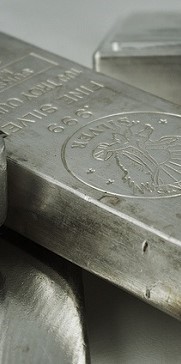
Buying silver coins or silver bars provides direct ownership of physical silver. The basic buying process is straightforward:
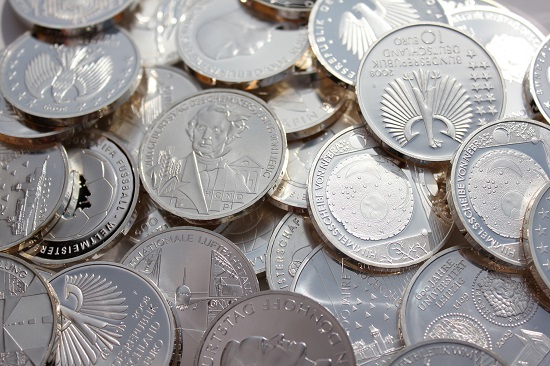
Silver has characteristics that can make it attractive to some precious-metals investors.
Its lower price per ounce compared with gold makes it possible to purchase physical precious metal with a smaller initial outlay. Silver also has substantial industrial uses, including in electronics and solar technology, giving demand for the metal a different profile from gold.
Physical silver can also provide diversification away from financial assets. However, diversification does not eliminate investment risk and silver can experience significant price volatility.
Investors should also consider costs such as premiums, VAT, storage and the difference between buying and selling prices when assessing a physical silver investment.
Silver ETFs and exchange-traded products provide an alternative way to gain exposure to silver without personally owning and storing coins or bars.
Depending on the product, it may seek to track the silver price, hold physical silver or provide exposure through other assets. Investors should therefore understand what a particular product actually owns or tracks, together with its charges, structure and risks.
This differs from buying physical silver, where the investor owns the coins or bars themselves.
You can compare these approaches in our guide to physical precious metals versus paper investments.
Insider tips to investing in precious metals
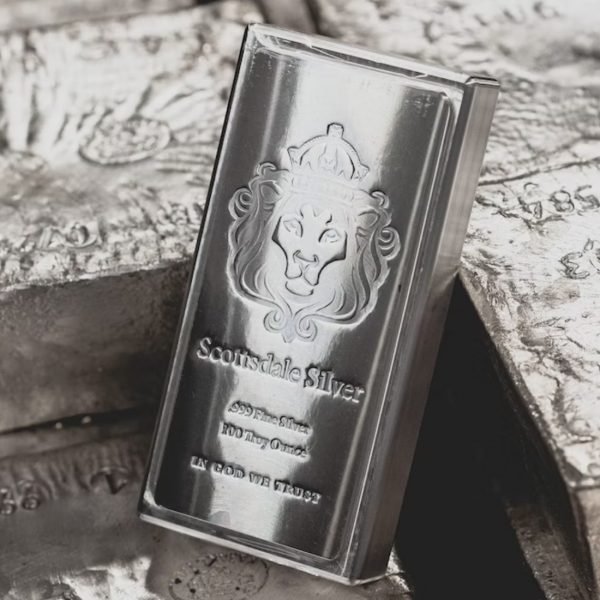
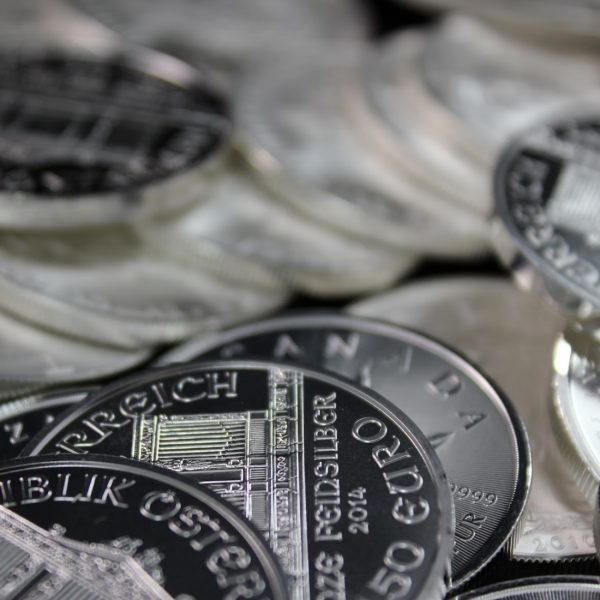
Buying silver coins or bars provides direct ownership of a physical asset rather than exposure through a fund or other financial instrument.
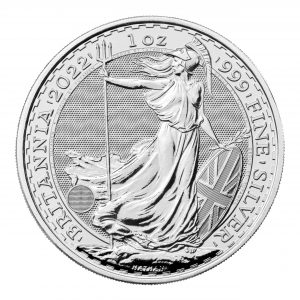
Coins can offer greater divisibility, making it easier to sell smaller portions of a holding. Certain UK legal-tender silver coins, including qualifying Silver Britannias, can also benefit from Capital Gains Tax exemption.
Bars can be particularly attractive when purchasing larger quantities because larger denominations will often carry lower premiums per unit of silver.
Physical ownership also brings additional considerations, including storage, insurance, VAT and the difference between buying and selling prices.
For more detail about one of the UK’s best-known investment coins, read our guide to buying Silver Britannias.
As with any investment, buying silver involves risks and costs that should be considered before purchasing:
Silver ETFs and exchange-traded products have different risks from owning physical silver. These can include:
Silver futures are an advanced investment vehicle with unique risks:
While these risks may seem intimidating, being aware of them is the first step towards managing them. Make sure to assess your risk tolerance and investment objectives before venturing into silver investments.
There is no single time that can be identified as the best time to buy silver. The silver price is affected by a range of factors, including industrial and investment demand, mine supply, interest rates, currency movements and wider economic conditions.
Industrial demand is particularly relevant to silver because the metal is widely used in applications such as electronics and solar technology. This gives silver different demand characteristics from gold, but increasing industrial use does not guarantee that silver prices will rise.
Investors sometimes also monitor the gold-to-silver ratio when comparing the relative prices of the two metals. The ratio can provide historical context, but it cannot reliably predict future prices or identify the optimum time to buy.
Rather than relying on a single forecast, prospective investors should consider the current silver price, product premiums, VAT, their intended holding period and their own objectives before purchasing.
Our portfolio Creator shows you the best precious metal investment for your budget.
For further reading, see our guide to the dos and don’ts of buying silver.
Physical Gold offers a range of physical silver investment options, including silver coins and silver bars, with secure delivery and storage options available.
Investors who do not require UK delivery can also explore our VAT-free silver solution, where qualifying silver is retained in bonded storage.
If you’re still deciding where to purchase, our guide to where to buy silver in the UK explains some of the factors worth considering when choosing a dealer.
You can browse our silver range or contact our team if you have questions about the practical differences between the products and services available.
Important: The information in this guide is general information and should not be treated as personal financial, investment or tax advice. Silver prices can rise and fall and tax treatment depends on individual circumstances.

Share this post on:


Latest Posts:
Live Gold Spot Price in Sterling. Gold is one of the densest of all metals. It is a good conductor of heat and electricity. It is also soft and the most malleable and ductile of the elements; an ounce (31.1 grams; gold is weighed in troy ounces) can be beaten out to 187 square feet (about 17 square metres) in extremely thin sheets called gold leaf.
Live Silver Spot Price in Sterling. Silver (Ag), chemical element, a white lustrous metal valued for its decorative beauty and electrical conductivity. Silver is located in Group 11 (Ib) and Period 5 of the periodic table, between copper (Period 4) and gold (Period 6), and its physical and chemical properties are intermediate between those two metals.