
Mitigating Risks When Investing in Gold and Silver
14/09/2026Daniel Fisher

Accumulate gold coins on a regular basis for home delivery or storage.
Let our experts hand-pick a gold investment portfolio for you.
Free & fully insured UK Delivery. Learn more

Secure & flexible payments. Learn more

Buyback Guarantee Learn more

A cost-effective way to buy silver bullion with off-shore storage
Let our experts hand-pick a silver investment portfolio for you.
Free & fully insured UK Delivery. Learn more
Secure & flexible payments. Learn more
Buyback Guarantee Learn more
Free & fully insured UK Delivery. Learn more
Secure & flexible payments. Learn more
Buyback Guarantee Learn more


Accumulate gold coins on a regular basis for home delivery or storage.
Let our experts hand-pick a gold investment portfolio for you.
A cost-effective way to buy silver bullion with off-shore storage
Let our experts hand-pick a silver investment portfolio for you.
Free & fully insured UK Delivery. Learn more
Secure & flexible payments. Learn more
Buyback Guarantee Learn more
Free & fully insured UK Delivery. Learn more
Secure & flexible payments. Learn more
Buyback Guarantee Learn more
Physical gold and silver can play a useful role in a diversified investment portfolio, but neither is risk-free.
Precious metal prices can rise and fall, premiums affect the price you pay, tax treatment varies between products, and owning a physical asset introduces practical considerations such as authenticity, storage, insurance and eventual resale.
The good news is that many of these risks can be reduced by making informed decisions before you buy.
Here are some of the most important steps to consider when investing in physical gold or silver.
If you want to understand the risks themselves in more detail – including price volatility, premiums, liquidity and storage – read our guide to the risks involved in gold investment.

One of the simplest ways to reduce risk is to know exactly who you are buying from.
Gold and silver are valuable, highly portable assets, which inevitably attracts counterfeit products, misleading offers and fraudulent sellers. Buying bullion through online marketplaces, social media or an unknown private seller may therefore introduce risks that are difficult for an inexperienced investor to assess.
Before choosing a dealer, look at factors such as:
Physical Gold has specialised in precious metals since 2008 and is a member of both the British Numismatic Trade Association (BNTA) and the British Numismatic Society.
Memberships and industry experience should not be the only factors you consider, but they can form part of the checks you make before trusting a dealer with a significant purchase.
Our guide to choosing a reputable online gold dealer explains the checks you can make in more detail.
Price matters, but the cheapest advertised bullion is not necessarily the lowest-risk or best-value purchase.
Not all gold and silver products behave in the same way as investments.
For most investors, one of the fundamental choices is between bullion coins and bullion bars.
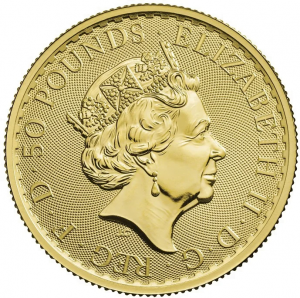
Recognised gold coins such as Britannias and Sovereigns can offer excellent liquidity and allow an investor to sell their holding in smaller increments.
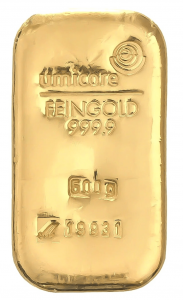
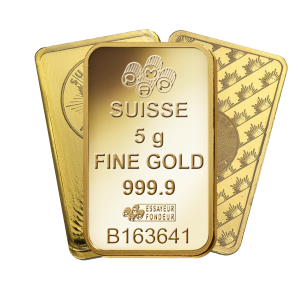
Gold bars, particularly larger denominations, will often have lower premiums relative to their gold content, potentially allowing you to obtain more physical gold for the same investment.
Silver presents similar choices between silver coins and silver bars.
Collectable and numismatic coins are different again. Their price can depend significantly on rarity, condition and collector demand rather than simply the underlying value of their precious metal content. Unless that is specifically what you want, straightforward investment-grade bullion may be easier to value and eventually resell.

A common mistake for new investors is to assume that the gold or silver spot price is the price they will actually pay.
Physical bullion normally trades at a premium above spot. That premium can reflect refining or minting costs, distribution, dealer margin, product availability and market demand.
Different products can carry very different premiums.
Smaller coins and bars, for example, will generally cost more per gram than larger denominations. Limited or collectable products can command substantially higher premiums.
That means two products containing a similar amount of precious metal may offer very different value from an investment perspective.
When comparing bullion, consider:
The lowest purchase price alone does not necessarily represent the best investment.
Key point: Your investment does not break even simply because the gold or silver spot price remains unchanged. The metal price needs to rise sufficiently to cover the difference between the price you paid and the price a dealer will pay when you sell. Read more about how premiums affect your returns in our guide to the risks involved in gold investment.

Tax can materially affect investment returns, so it makes sense to consider it before choosing which gold or silver to buy.
Qualifying investment gold is exempt from VAT in the UK.
Silver is generally subject to 20% VAT when purchased for UK delivery, although alternative arrangements such as VAT-free silver stored in an appropriate overseas bonded environment can provide a different route for investors.
Capital Gains Tax is a separate consideration.
Certain UK legal-tender bullion coins, including qualifying Gold Britannias and Gold Sovereigns, are exempt from UK Capital Gains Tax. Gold bars and many overseas bullion coins do not benefit from the same exemption.
The same CGT advantage can apply to qualifying UK legal-tender silver coins.
For larger holdings in particular, choosing the appropriate product can therefore make a significant difference to the eventual net return.
Read our full guide to the tax implications of gold and silver for UK investors before investing.
Tax rules can change and individual circumstances vary. Seek professional tax advice where appropriate.
Gold and silver prices fluctuate continually. Trying to identify the exact bottom of the market can therefore be extremely difficult.
Instead of relying heavily on short-term forecasts, consider why you are buying precious metals in the first place and how long you expect to hold them.
You should also understand the current spot price before purchasing so that you can judge the premium you are being asked to pay.
Investors concerned about putting a large sum into the market at a single price can also consider staggering purchases over time. This reduces dependence on one particular entry point, although it cannot eliminate the possibility of prices subsequently falling.
Most importantly, avoid making an investment simply because the gold or silver price has recently risen sharply or because somebody is promising further rapid gains.
Download the FREE insider tips to gold investing
One way of managing investment risk is diversification.
Gold and silver have different characteristics from assets such as shares, bonds, property and cash, which is one reason investors may use precious metals as part of a broader portfolio.
But diversification works both ways.
Concentrating too much wealth in a single asset exposes you to the fortunes of that asset, regardless of whether it is gold, property or equities.
Your appropriate allocation will depend on your objectives, financial circumstances, attitude to risk and investment horizon. Precious metals should therefore be considered within the context of your overall portfolio rather than in isolation.
Physical bullion has one obvious difference from many financial investments – you have to keep it somewhere.
For smaller holdings, home storage may appear convenient. However, you need to consider security, discretion and whether your household insurance adequately covers precious metals.
As the value of a holding increases, professional vault storage can become more attractive.
When comparing third-party storage, check:
Physical Gold offers specialist storage alongside discreet, insured delivery. You can compare the options on our delivery and secure storage page.

Investment bullion does not generally need to remain pristine in the same way as a rare collectable coin, but unnecessary damage can still make products less attractive to future buyers.
Where possible:
Documentation can also provide a useful record of when, where and at what price your bullion was purchased.
The exit strategy is easy to overlook when you are concentrating on buying.
Before investing, ask yourself how easily the product could be sold if you needed access to your money.
Widely recognised bullion coins and bars tend to have an established secondary market, while unusual or highly collectable products may require a more specialist buyer.
Denomination matters too.
One large gold bar may provide a low purchase premium, but you cannot sell 10% of a bar. Owning several smaller bars or coins provides greater flexibility to liquidate part of a holding while retaining the remainder.
You should also investigate a dealer’s buyback arrangements before buying from them. Knowing how the bullion will be valued and how quickly you can receive payment can reduce uncertainty when the time eventually comes to sell.
No legitimate investment can guarantee that the gold or silver price will rise.
Be cautious if a seller:
Gold has historically been used as a store of wealth and portfolio diversifier, but its price can still fall – sometimes substantially – over shorter periods.
Understanding that distinction is an important part of investing responsibly.
Use our simple portfolio tool to se what your budget could buy
No. Gold and silver are investments and their future prices cannot be guaranteed.
However, there is a significant difference between market risk, which you cannot control, and avoidable risks, which you often can.
You cannot control tomorrow’s gold price.
You can control the dealer you use, the premium you pay, the bullion you choose, its tax efficiency, how securely it is stored and how easily it can eventually be sold.
Making good decisions in those areas can substantially reduce unnecessary risk.

Before buying physical gold or silver, ask yourself:
If you can answer those questions confidently, you have already addressed many of the avoidable risks associated with physical precious metals.
Physical Gold has specialised in helping UK investors buy and sell physical precious metals since 2008.
Whether you are considering buying gold, investing in physical silver or deciding between different coins, bars, delivery and storage options, our team can help you understand the choices available.
Contact Physical Gold or call 020 7060 9992 to discuss your requirements.

Share this post on:


Latest Posts:
Live Gold Spot Price in Sterling. Gold is one of the densest of all metals. It is a good conductor of heat and electricity. It is also soft and the most malleable and ductile of the elements; an ounce (31.1 grams; gold is weighed in troy ounces) can be beaten out to 187 square feet (about 17 square metres) in extremely thin sheets called gold leaf.
Live Silver Spot Price in Sterling. Silver (Ag), chemical element, a white lustrous metal valued for its decorative beauty and electrical conductivity. Silver is located in Group 11 (Ib) and Period 5 of the periodic table, between copper (Period 4) and gold (Period 6), and its physical and chemical properties are intermediate between those two metals.