
How to Make Money with Gold
01/09/2026Daniel Fisher

Accumulate gold coins on a regular basis for home delivery or storage.
Let our experts hand-pick a gold investment portfolio for you.
Free & fully insured UK Delivery. Learn more

Secure & flexible payments. Learn more

Buyback Guarantee Learn more

A cost-effective way to buy silver bullion with off-shore storage
Let our experts hand-pick a silver investment portfolio for you.
Free & fully insured UK Delivery. Learn more
Secure & flexible payments. Learn more
Buyback Guarantee Learn more
Free & fully insured UK Delivery. Learn more
Secure & flexible payments. Learn more
Buyback Guarantee Learn more


Accumulate gold coins on a regular basis for home delivery or storage.
Let our experts hand-pick a gold investment portfolio for you.
A cost-effective way to buy silver bullion with off-shore storage
Let our experts hand-pick a silver investment portfolio for you.
Free & fully insured UK Delivery. Learn more
Secure & flexible payments. Learn more
Buyback Guarantee Learn more
Free & fully insured UK Delivery. Learn more
Secure & flexible payments. Learn more
Buyback Guarantee Learn more

Gold doesn’t pay interest or generate income simply by owning it. So how do investors actually make money from gold?
The most straightforward way is through capital appreciation – buying gold and later selling it for more than you paid. But there are other ways to gain financially from gold, ranging from selling unwanted jewellery to investing in gold-related companies and financial products.
Each approach comes with different costs, risks and potential returns.
For investors primarily interested in owning the metal itself, physical gold offers direct exposure to the gold price without relying on a fund manager, financial institution or underlying company.
Here are six of the main ways people seek to make money from gold.
The simplest strategy is to buy physical gold and sell it at a higher price in the future.
If the gold price rises sufficiently to cover the premium you paid when purchasing and any difference between buying and selling prices, your investment will have increased in value.
However, not all forms of physical gold are equally suitable for investment.
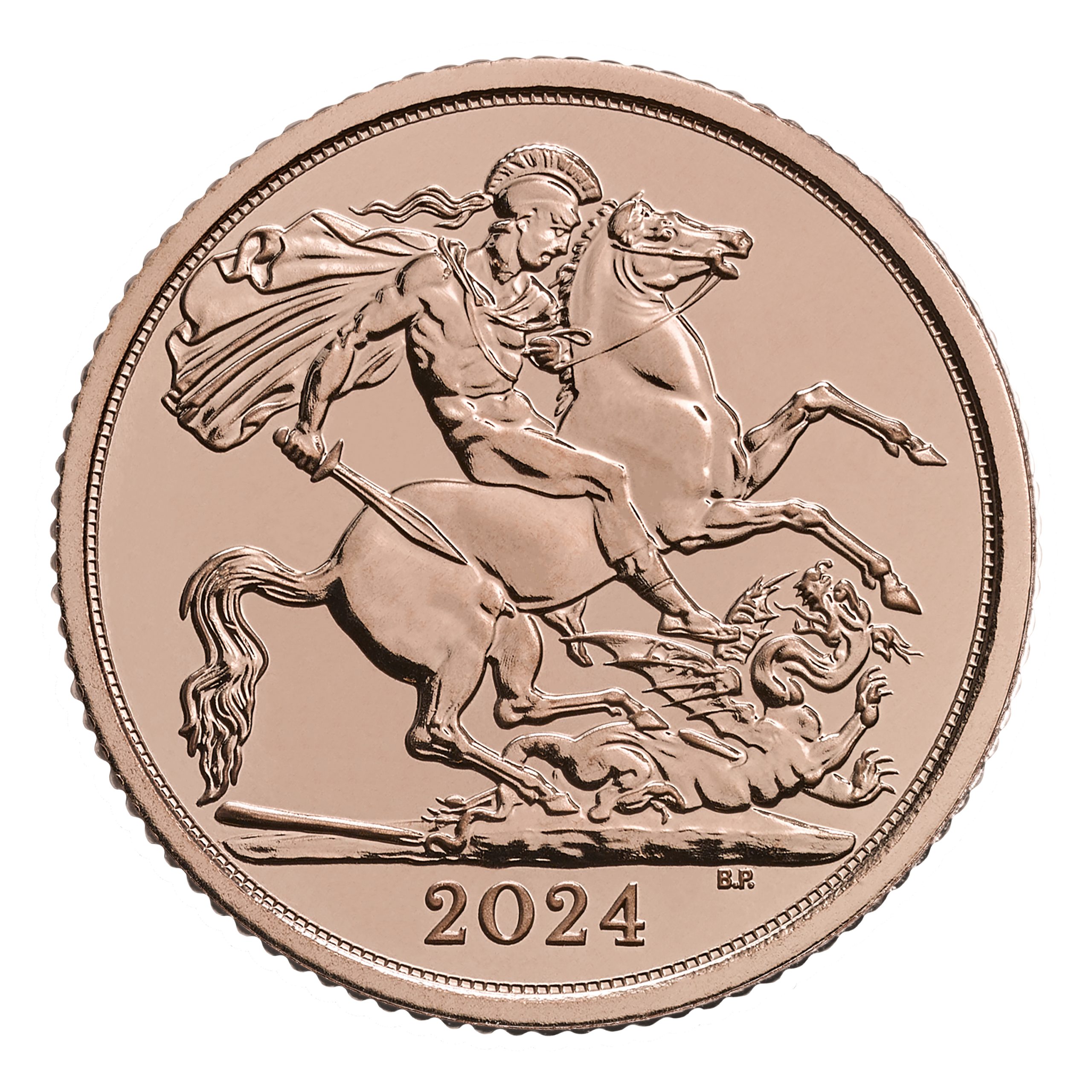
Investors generally focus on investment-grade gold rather than jewellery or decorative gold.
Gold bullion coins and bars have several advantages:
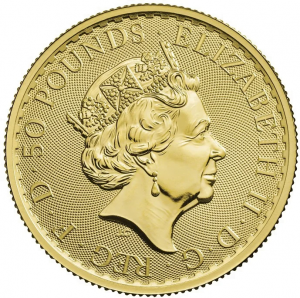
For UK investors, Gold Sovereigns and Gold Britannias are particularly noteworthy because they are British legal tender and therefore exempt from CGT for UK individuals.
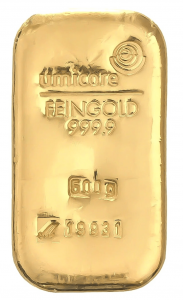
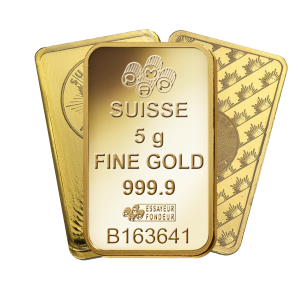
Alternatively, investors who prioritise obtaining as much gold as possible for their budget may consider gold bars, where larger denominations can offer relatively low premiums per gram.
Our guide to gold coins versus gold bars explains the differences in more detail.
Some buyers seek additional returns by purchasing collectable or limited-mintage gold coins whose value could potentially rise by more than the underlying gold price.
This introduces another variable: numismatic value.
A standard bullion coin is predominantly valued according to its gold content, whereas a collectable coin may also be influenced by:
This creates the possibility of additional appreciation but also makes valuation less predictable.
An investor may pay a significant premium for a rare or collectable coin without any guarantee that future buyers will be willing to pay the same premium.
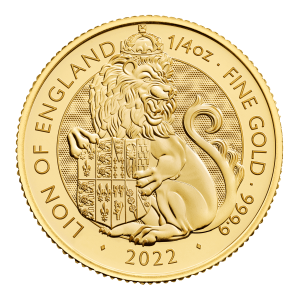
For investors seeking some collectable appeal while retaining recognised bullion characteristics, limited-mintage ranges such as The Royal Tudor Beasts can provide an alternative to purely numismatic coins.

Another way investors attempt to make money from gold is through the timing of their purchases and sales.
In principle, the objective is straightforward: buy at one price and sell after the gold price has risen.
In practice, consistently predicting short-term gold price movements is extremely difficult.
Gold prices can be influenced by numerous factors, including:
Rather than trying to identify the perfect day to enter the market, many physical gold investors take a longer-term approach.
You can follow movements in the UK gold price or read our guide on when to buy gold for a more detailed look at the factors investors consider.
The gold price itself isn’t the only factor determining whether you make a profit.
Physical gold is normally purchased at a premium above the underlying spot price. Dealers also need to make a margin when buying gold back.
For example, if the gold price rises by 3% but the combined effect of your purchase premium and eventual selling price exceeds that gain, you may not make a profit.
Understanding gold coin premiums is therefore important when choosing what to buy.
This is one reason why widely recognised bullion products with competitive premiums can be attractive for investment.
Free ultimate guide for keen precious metals investor

You don’t necessarily need to buy gold to make money from it.
Many households already own unwanted gold in the form of jewellery, old coins, watches or other objects.
Selling these items can turn an unused asset into cash.
For items primarily valued for their metal content, three factors are particularly important.
Purity
Gold purity determines how much of the item’s weight consists of actual gold. British jewellery will commonly carry a hallmark indicating its fineness.
Weight
Once you know the purity, the weight can be used to estimate the quantity of pure gold contained in the item.
Current gold price
The prevailing gold price provides a reference point for calculating the underlying metal value.
Jewellery, collectables and watches may also have value beyond their gold content, so it is important to establish whether an item should be valued as scrap gold or sold as a complete piece.
Our guide to selling scrap gold explains the process in more detail.
If you own investment coins or bars, you can also see our current indicative prices for selling gold to Physical Gold.
Find out what they could be worth

Gold can also contribute financially without necessarily being the highest-performing asset in a portfolio.
Investors frequently hold gold alongside shares, property, cash and other investments because its price can behave differently from other asset classes.
During some periods of economic or financial uncertainty, gold has historically attracted increased investor demand. This means its role within a portfolio can be different from an asset bought purely for maximum growth.
Diversification does not guarantee against losses, and gold itself can fall in value. However, spreading capital between different types of assets can reduce reliance on the performance of any single investment.
This is one reason some investors allocate a proportion of their portfolio to physical gold rather than attempting to generate their entire return from it.
Read more about gold as a portfolio diversifier and the different reasons investors buy gold.
Our automated portfolio builder will provide suggestions based on various investment objectives

It is also possible to seek returns from the gold market without owning physical gold.
Gold-related investments include mining shares, exchange-traded products and investment funds.
Buying shares in a gold mining company gives you ownership in the business rather than ownership of its gold.
If the company performs well, investors may benefit from increases in its share price and, where applicable, dividends.
However, mining companies introduce risks that don’t apply when owning physical bullion. These can include:
A rising gold price therefore does not necessarily mean that every gold mining company’s shares will rise.
Gold exchange-traded products can provide exposure to movements in the gold price without requiring investors to personally store physical bullion.
Other funds invest in portfolios of mining and gold-related companies.
The important distinction is that these are financial investments rather than personally owned physical bullion.
Our guide to physical gold versus gold ETFs explains some of the differences.

Experienced traders can also speculate on movements in the gold price using derivatives such as futures and options.
These products allow traders to take positions based on whether they expect gold prices to rise or fall.
They can also provide leverage, meaning relatively small amounts of capital can control much larger positions.
This magnifies potential gains – but it can also magnify losses.
Gold futures and options are therefore fundamentally different from buying a gold coin or bar as a long-term store of wealth and are generally more appropriate for experienced investors who understand derivatives and the associated risks.
Our guide to gold futures provides further information.
For investors choosing physical gold, the answer depends on their objectives.
If the aim is primarily to benefit from increases in the gold price, the key considerations include:
UK investors frequently choose Sovereigns and Britannias because both combine recognised bullion content with CGT exemption for UK individuals.
Gold Sovereigns contain 0.2354 troy ounces of pure gold, making them relatively divisible when the time comes to sell.
Gold Britannias contain up to one troy ounce of pure gold and are another internationally recognised British bullion coin.
Investors prioritising the lowest possible premium per gram may instead prefer larger gold bars.
The best option therefore isn’t necessarily the gold product with the greatest potential selling price – it’s the one whose characteristics best fit your investment objective.
There is no fixed return from gold.
Your eventual gain or loss depends on factors including:
For collectable coins, changes in numismatic value can also affect the eventual selling price.
Gold should therefore not be regarded as a guaranteed way of making money. Its price can rise and fall, and past performance cannot tell us exactly what it will do in the future.
Understanding all the costs before buying provides a much more realistic picture of the return required before an investment becomes profitable.


It can be, depending on what you own and your individual circumstances.
Qualifying investment gold is exempt from VAT in the UK.
Capital Gains Tax is different. British legal-tender gold coins, including Gold Sovereigns and Britannias, are exempt from CGT for UK individuals. Other gold investments may potentially be subject to CGT when sold at a profit.
This can make the choice of gold product particularly important for investors building larger physical gold holdings.
Read our complete guide to the tax implications of gold and silver for UK investors for more information.
If you decide physical bullion fits your objectives, Physical Gold offers a range of investment-grade gold coins and gold bars.
When comparing products, consider the amount of physical gold you receive for your budget, the premium above spot price, tax treatment and how you may eventually want to sell your investment.
You can also view the live UK gold price before making a decision.
Gold can increase in value, allowing investors to make a capital gain when they sell. However, returns are not guaranteed and gold does not generate interest or dividends when held physically. The purchase price, premium, selling price and length of time held will all affect the eventual return.
The principal way to make money from physical gold is to sell it for more than your total purchase cost. Investors may also benefit from choosing tax-efficient gold products and minimising the premiums they pay when purchasing.
Yes, if the eventual selling price exceeds the amount you paid for the coins. The gold price, purchase premium, dealer buyback price and any additional numismatic value can all affect your return.
British legal-tender gold coins such as Gold Sovereigns and Britannias are exempt from Capital Gains Tax for UK individuals. Qualifying investment gold is also exempt from VAT.
Gold can appreciate substantially over some periods, but there is no guarantee of making a profit and it should not be viewed as a quick route to wealth. Physical gold is more commonly used as a long-term store of value and as one component of a diversified investment portfolio.

Live Gold Spot Price in Sterling. Gold is one of the densest of all metals. It is a good conductor of heat and electricity. It is also soft and the most malleable and ductile of the elements; an ounce (31.1 grams; gold is weighed in troy ounces) can be beaten out to 187 square feet (about 17 square metres) in extremely thin sheets called gold leaf.
Live Silver Spot Price in Sterling. Silver (Ag), chemical element, a white lustrous metal valued for its decorative beauty and electrical conductivity. Silver is located in Group 11 (Ib) and Period 5 of the periodic table, between copper (Period 4) and gold (Period 6), and its physical and chemical properties are intermediate between those two metals.


