Are Silver Proof Coins a Good Investment?
25/08/2026Daniel Fisher

Accumulate gold coins on a regular basis for home delivery or storage.
Let our experts hand-pick a gold investment portfolio for you.
Free & fully insured UK Delivery. Learn more

Secure & flexible payments. Learn more

Buyback Guarantee Learn more

A cost-effective way to buy silver bullion with off-shore storage
Let our experts hand-pick a silver investment portfolio for you.
Free & fully insured UK Delivery. Learn more
Secure & flexible payments. Learn more
Buyback Guarantee Learn more
Free & fully insured UK Delivery. Learn more
Secure & flexible payments. Learn more
Buyback Guarantee Learn more


Accumulate gold coins on a regular basis for home delivery or storage.
Let our experts hand-pick a gold investment portfolio for you.
A cost-effective way to buy silver bullion with off-shore storage
Let our experts hand-pick a silver investment portfolio for you.
Free & fully insured UK Delivery. Learn more
Secure & flexible payments. Learn more
Buyback Guarantee Learn more
Free & fully insured UK Delivery. Learn more
Secure & flexible payments. Learn more
Buyback Guarantee Learn more
Silver proof coins can appeal to both collectors and precious-metal buyers, but they differ significantly from standard silver bullion coins.
Proof coins are produced to a higher striking standard, often in limited quantities and with presentation packaging. As a result, their purchase price can include a substantial premium above the value of the silver they contain.
For buyers primarily seeking exposure to the silver price, silver bullion coins will generally provide a more direct relationship with the underlying metal value. Proof coins, by comparison, may derive part of their value from factors such as rarity, condition, design and collector demand.
In this guide, we explain what silver proof coins are, how they differ from bullion coins and the factors to consider before buying them as an investment.
Physical silver coins are available in several forms, including proof coins and sets, investment bullion coins and rare or collectable coins.
The distinction matters because different types of silver coin can have very different pricing. Bullion coins are primarily valued according to their precious-metal content, while proof and collectable coins may command additional premiums based on their finish, rarity, condition and collector demand.
Tax treatment can also vary. Certain UK legal-tender silver coins, including Silver Britannias, are exempt from Capital Gains Tax. Other silver coins may be chargeable assets depending on the circumstances.
Read our gold and silver tax guide for more information.
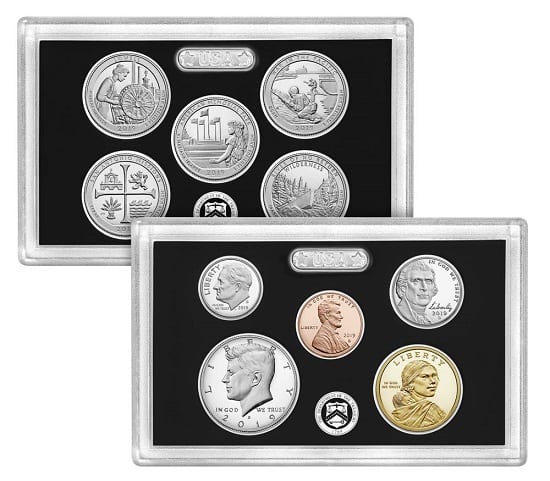
The term proof refers to the standard and method used to produce a coin rather than its metal content.
Proof coins are specially produced for collectors using carefully prepared dies and blanks. The striking process creates particularly sharp design detail, often with contrasting mirror-like fields and frosted design elements.
The Royal Mint produces Proof coins more slowly and with greater attention to finish than standard bullion coins. Proof issues are also commonly supplied in protective presentation packaging and may have limited mintages.
These additional production processes mean proof coins usually cost more than bullion versions containing a similar quantity of precious metal.
Silver proof coins typically command higher premiums than bullion coins because more time and care goes into their production. Limited mintages, presentation packaging and certificates of authenticity can also contribute to their price.
However, a higher purchase price does not mean that the silver contained within the coin is worth more. Part of the price reflects the coin’s collectable characteristics rather than simply its precious-metal content.
Whether that additional premium is retained or increases over time will depend on factors such as scarcity, condition and future collector demand. It should not be assumed that a limited-edition proof coin will automatically become more valuable.
Free ultimate guide for keen precious metals investor
Whether proof or bullion coins are more suitable depends largely on what the buyer wants from the purchase.
Silver bullion coins are primarily produced for precious-metal investment. They are generally sold at lower premiums over the underlying silver price than proof coins, so a greater proportion of the purchase price relates directly to the silver content.
Silver proof coins are primarily produced for collectors. Their higher-quality finish, limited production and presentation can make them desirable, but these features also increase the premium paid above the underlying silver value.
When a proof coin is subsequently sold, there is no guarantee that a buyer or dealer will pay the same additional premium. Realising its full collectable value may depend on finding a buyer specifically interested in that particular issue.
For someone primarily seeking exposure to the silver price, silver investment coins can therefore provide a more straightforward option. Proof coins may be more appropriate where collectability, design, rarity or presentation are important considerations as well as the silver content.
The Royal Mint similarly distinguishes bullion coins, which primarily derive their value from precious-metal content, from Proof coins produced to a higher standard for collectors.
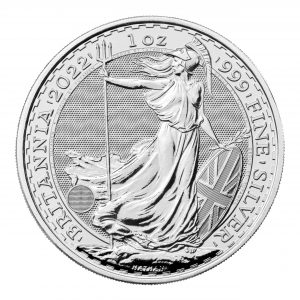
For UK investors, Silver Britannia coins are one example of a bullion coin designed primarily for precious-metal investment. As UK legal tender, Britannias also benefit from CGT exemption.
Yes, a proof coin can increase in value, but this is not guaranteed.
Its future price can be influenced by the silver price as well as the coin’s rarity, mintage, condition, design, provenance and collector demand. Some issues may develop substantial collectable premiums, while others may trade much closer to their underlying silver value.
Buyers should therefore distinguish between the intrinsic value of the silver and the numismatic or collectable premium being paid for a particular proof coin.
A limited mintage alone does not guarantee future demand or price appreciation.
If your primary objective is owning physical silver rather than collecting Proof editions, Physical Gold offers a range of silver bullion coins, including Silver Britannias and other investment coins.
You can also compare silver bars or browse the wider silver investment range.
If you have questions about the silver products available, call the Physical Gold team on 020 7060 9992 or contact us.
Image Credit: Wikimedia Commons

Share this post on:


Latest Posts:
Live Gold Spot Price in Sterling. Gold is one of the densest of all metals. It is a good conductor of heat and electricity. It is also soft and the most malleable and ductile of the elements; an ounce (31.1 grams; gold is weighed in troy ounces) can be beaten out to 187 square feet (about 17 square metres) in extremely thin sheets called gold leaf.
Live Silver Spot Price in Sterling. Silver (Ag), chemical element, a white lustrous metal valued for its decorative beauty and electrical conductivity. Silver is located in Group 11 (Ib) and Period 5 of the periodic table, between copper (Period 4) and gold (Period 6), and its physical and chemical properties are intermediate between those two metals.
