The World Gold Council (WGC) is an international organisation comprising several of the largest gold mining companies in the world including Barrick, China Gold and Newmont Mining Corporation. The main aim of the council is to further develop and maintain the continual growth of the gold industry through extensive promotion, as well as supporting research into new uses for gold.
A brief background and insight into the World Gold Council
The WGC was first established in 1878 and over the last century it has had a huge hand in making the gold industry what it is today. Bringing together many of the world’s most prestigious gold-mining companies, it was originally founded to help promote the global demand for gold and fuel consumer interest.
According to its website, the WGC is governed by a Board of Directors, who meet four times a year. The board is made up of four main committees, who together help shape the future of the gold industry around the world. The organization have several main offices based all over the globe including their main headquarters in London as well as central offices in New York and Shanghai.
Through their website, the WGC provide investors with a wide array of useful data and information including reports on the latest gold trends, consumer behaviour, real-time gold stock performance updates and an extensive library of interesting articles.
Responsible gold mining
Responsible gold mining is high on the list of the WGC’s responsibilities and the organisation are heavily involved in ensuring responsible and ethical conduct throughout the mining industry. The WGC was instrumental in developing the Conflict-Free Gold Standard, a process put in place to make sure that any gold being mined does not go towards funding any global conflicts or unlawful militia activity. They also support the International Cyanide Management Code which provides a framework for helping to reduce the amount of potentially harmful environmental impacts caused by mining.
Gold Bar
Interesting facts about the World Gold Council
The World Gold Council’s symbol is made up of three gold rings. These rings are said to represent the “never ending circle of meaning,” and according to the council themselves are a reflection on how gold represented eternity to many ancient cultures. In the words of the WGC these three rings symbolize the past, present, and future of gold.
The WGC was responsible for creating the very first Gold Exchange Traded Fund (ETF) Launched in November 2004,the SPDR Gold Trust totally changed the way modern consumers invest in gold. The WGC initially spent just $14 million dollars developing the fund, which today is officially the 14th largest ETF in the world and has an estimated worth of $56.7 billion. The SPDR Gold Trust, ticker name GLD, is essentially a gold-backed exchange traded fund allowing investors to invest in gold bullion without the expense of paying premiums or storage costs. The GLD buys $30 million of gold daily and is the world’s largest private owner of bullion.
The WGC also helped set up the very first Gold Accumulation Plan (GAP) in China, along with the ICBC. (Industrial and Commercial Bank of China) The GAP is aimed at investors who want to invest a certain amount into gold on a daily basis. The benefit of investing in a GAP as opposed to a gold savings account is that it has a much lower minimum entry level, only requiring an investment of 1 gram per day. When the contract reaches maturity, investors can either renew it, convert it into cash, or exchange it for physical gold at designated branches owned by the ICBC.
2017 has been another fascinating year for the gold industry. This shiny precious metal captures the imagination quite unlike any other commodity on earth and was never far away from the headlines.
1) Piano tuner discovers Britain’s largest ever hoard of coins
Back in April this year, news broke that the largest ever hoard of gold in British history had been discovered stashed in an antique school piano. The find has an estimated worth of £500,000 and contained over 913 sovereigns minted during the reigns of Queen Victoria, Edward VII and George V. Proceeds of the find were split between the piano tuner that found them and the piano’s current owners, Bishop’s Castle Community College, Shropshire.
Gold demand has generally been fairly languid across much of Europe in the last year but statistics published from a money metal article back in August showed that German and UK demand for gold ETF’s has risen dramatically in the last year and a half. Figures show that between Q1 in 2016 and Q2 in 2017 investment in German Xetra-Gold rose by 97 MT, whilst investment in U.K. Source Physical Gold rose by 38 MT. Investment in U.K. ETFS Physical Gold also rose by 31 MT.
This may be partly a reaction to Brexit and the fact that German citizens are worried about ongoing issues with the European Central Bank (ECB) with regards to money printing and bond purchases. There are also serious geopolitical concerns caused by the US imposing sanctions on Russian imports as a lot of Germany’s imports are from Russia.
3) London reveals how much gold is stored in its vaults
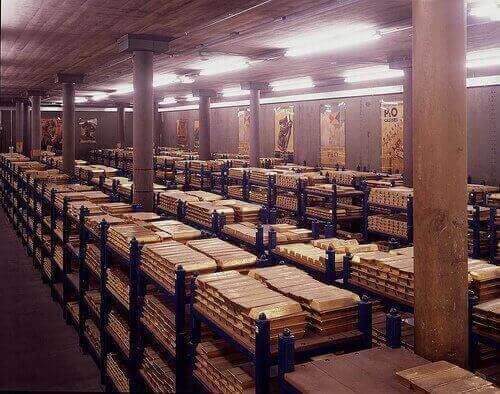
Data published by the London Bullion Market Association (LBMA) earlier this year revealed for the first time ever, exactly how much gold is being stored in Britain’s capital city. Figures published by the association revealed that around 7,500 tonnes of gold was held in London at the beginning of this year. This is the equivalent of 596,000 gold bars, or £227bn-worth of gold. 68% of London’s gold was held by the Bank of England who currently look after the UK’s gold reserves.
Gold Bullion in the vaults at the Bank of England.
4) Germany brings home gold early
A surprising development in Germany this year saw the country send shock waves through the gold market, as they announced plans to recall all the countries gold currently being stored abroad, back to Germany by 2020. This involved moving nearly 400 tons of gold, worth around 30 billion, from the US and Paris back to Germany. Why this sudden decision? Many believe it shows Germany’s current mistrust of the US whilst others believe Germany may need it to back a new Deutsche mark, should the eurozone break up.
5) Global gold mining output in decline
We are still a long way off from running out of global gold reserves, but a new report by the GFMS team at Thomson Reuters this year revealed that total global gold production in 2016 fell for the first time since 2008. In total the world gold mine supply has fallen by 22 tonnes (3%) since 2015.
Contact Physical Gold
At Physical Gold, we pride ourselves on bringing you the latest gold industry news from the UK and around the world. To speak to one of our advisers about potential investment advice please call us on 020 7060 9992.
The market for precious metals has underperformed throughout 2017. Big things were expected from gold and silver this year and despite performing strongly early on, they didn’t reach the heights that were expected. Both gold and silver have picked up recently but overall it has been a relatively disappointing year for precious metals.
Metals expected to perform well in 2018
Palladium
Despite a relatively underwhelming year from most precious metals, one metal that has performed particularly well is Palladium. This year prices for Palladium overtook platinum for the first time since 2001. Of course, there are no guarantees that Palladium will continue to perform well next year, however there are a lot of good indications. For one, production of Palladium is said to be in decline, particularly in Russia who currently produce around 41% of the world’s supply. As it stands Palladium is roughly 15 times rarer than its sister metal platinum, and around 30 times rarer than Gold. Other than Russia other large producers of palladium include South Africa and Zimbabwe.
There has also been an increase in the demand for Palladium from the car industry. This is due to consumers switching from diesel back to petrol cars amid government emissions warnings. Palladium is primarily used in catalytic converters for petrol cars helping to turn toxic gases and fumes into less harmful pollutants. The increase in demand for palladium is likely to continue into 2018 and whilst the emergence of electric cars could be a potential threat to the Palladium industry, we are still a long way off seeing electric cars becoming a proper rival to petrol.
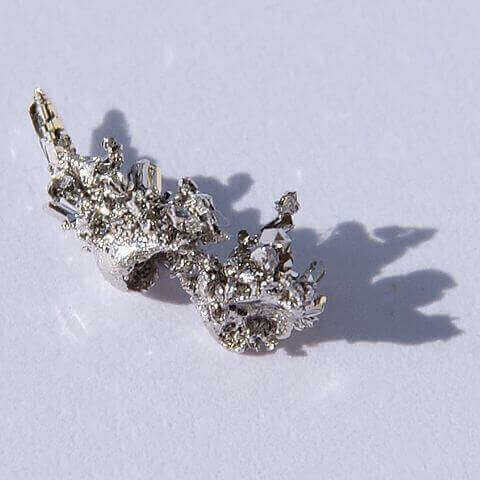
Raw Palladium
Silver
Silver has had an indifferent year throughout much of 2017, however a lot of experts are predicting big things for the precious silver metal market in 2018. Currently the price of silver is relatively low despite a massive increase in demand across many industries, particularly solar energy. Production of silver is also on the decline and many people are predicting a big rise in its value if demand continues to outweigh production.
Gold
Gold was expected to perform extremely well this year but so far this hasn’t really been the case. Despite prices rising early in the year, gold prices have stayed fairly stable. With Interest rates in the /US expected to rise, gold is likely to take a hit early on in 2018 but many experts predict the metal will come back strongly towards the latter half of 2018 with prices expected to rise considerably.
Geo-political tensions and their effect on the market for precious metals
In times of political uncertainty, prices for precious metals – particularly
gold and silver, often tend to rise. This is because people are keen to store their wealth in tangible assets in the event that there should be a drop in the market. When prices for both gold and silver rose in 2017 it was generally due to geopolitical tensions such as Trump’s Inauguration and elections in Europe.
Looking ahead to 2018 there are several potential issues that could continue to cause economic instability. Brexit negotiations are still on-going which could potentially cause political conflict in Europe, although most of the cards are already on the table at this stage. Trump’s administration however, could still prove to be very volatile. US relations with Iran and North Korea are also very much in the balance and should things escalate then the economy may be affected. With so many global conflicts of interest still in the balance, our experts at Physical Gold are predicting a strong year for precious metals in 2018 as people look to store their wealth outside of the traditional system.
Purchase gold and silver with Physical Gold
For more up-to-date information and news on the precious metal industry, please visit our blog. If you wish to speak to us about how to invest in gold and silver, please call us on 020 7060 9992.
Gold is mined in countries all over the world, but which countries currently produce the largest amount? Here are the top ten biggest producers of gold, ranked by the amount they produce each year in metric tons.
The world’s top gold producing countries
1: China – (455 metric tons)
Dominating the list of biggest gold producers in the world is China, with 455 Metric Tons of gold produced last year. This is the tenth year that they have been top of this list, however, the amount of mineable gold in China is said to be declining. Are China exhausting their gold reserves? With only 2000 MT of mineable gold left, they could potentially run out within the next 4-5 years. It would be interesting to see how the gold market was to react should China’s gold output begin to drop.
2: Australia – (270 metric tons)
With 270 MT of gold produced last year, Australia comes second on the list of biggest producers. The sale of Newcrest Mining was partly to blame for an 8 MT decline in production from the previous year. Australia has the biggest gold reserve in the world at 9,500 MT. They are currently mining steady rates of gold and are set to run out in approximately 35 years’ time.
3: Russia – (250 metric tons)
Russia plans on producing 400 MT of gold a year BY 2030. They currently have 8000 MT of gold reserves, the second largest in the world. With a country the size of Russia, there is little doubt that there is plenty more gold left to mine. Estimates predict that Russia have a minimum of 20 years of mining left.
4: United States – 209 (metric tons)
Production of gold in the US hit 209 MT last year, this is down from the previous year (214 MT) The decline in production, like Australia is also due to the sale of mines and mine closures in Nevada.
Vintage gold mine cart
5: Canada – 170 (metric tons)
Canada has seen a rise of 17 MT in 2016, up from the previous year. With the expansion of Canadian gold mines and the development of two brand new Nunavut mines in 2019, their gold output is set to rise. Canadian gold reserves are set to last for at least 14 years at the current rate of mining.
6: Peru – 150 (metric tons)
Peru also saw a rise in gold production during 2016 with a 4 MT increase on the previous year. Peru is ranked in the top three countries in the world in terms of Copper, Silver, Zinc and Tin production. Their economy is driven by mining. As the 6th largest miner of gold their reserves (2400 MT) are set to run out by 2033.
7: South Africa – 140 (metric tons)
Since the 1980’s South Africa’s gold reserves have dropped significantly, from the world’s biggest gold producer in 2007 to where they stand now, as only the 7th largest in the world. South Africa currently have the 3rd largest gold reserve in the world and at their current rate of mining, they still have another 42 years of production left.
8: Mexico – 125 (metric tons)
Maturing gold mines and production challenges have severely affected Mexico’s gold operations in recent times. Mexico’s gold reserves currently stand at 1400 MT and if they carry on mining at this rate, they are set to run out of gold in approximately 11 years.
9: Uzbekistan – 100 (metric tons)
With a decline of 2 MT in gold output last year, Uzbekistan produced less gold in 2016 than the year previously. The country mined a total of 100 MT during 2016 and have a reserve of 1700 MT, which is 1300 less than Indonesia, positioned at number 10 on this list. Uzbekistan has an estimated 17 years of mining left in them.
10: Indonesia – 100 (metric tons)
Indonesia has increased its production of gold by 3 MT on last year, which ties them with Uzbekistan in terms of total gold produced. One factor that could potentially affect this year’s out- put however, is the long-running dispute between the owner of the Grasberg mine, Indonesia’s largest gold mine and the Indonesian government.
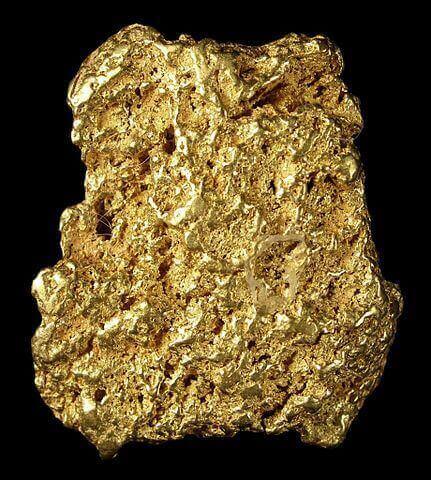
Raw, unprocessed gold
Other nations such as Brazil, Papua New Guinea, Ghana, Columbia and Kazakhstan also contribute to the global output of Gold. The companies that produce the most gold include: Barrick Gold, Newmont Mining, AngloGold Ashanti, Goldcorp and Kinross Gold.
Could we potentially run out of gold?
As gold reserves decline, the gold market
will be forced to adapt as it becomes more expensive for mines to continue exploring for new gold. A need for costly new equipment and materials adding to the expense. Failure to adapt has already led to South Africa falling from its spot as the largest producer of gold in the world to only 7th in just over a decade. With the increased risk of mining gold, mining companies are forced to try and raise their profit margins in order to offset the risk. Currently the world has an estimated gold reserve of 57,000 MT. With 3,100 MT mined in 2016 mineable gold could potentially run out in the next 18-20 years, should no new sources be discovered.
Physical Gold is a UK dealer of Gold and Silver and offers products including Pension Gold,Tax Free Gold and Silver Coins. As a trusted dealer we will advise you on all the options available to you and your investment will also come with a high-level security storage service along with insurance provided by Lloyds of London. Expand your portfolio today. Call for expert advice on 02070 609 992 or email info@www.physicalgold.com.
Precious metals must always remain a serious contender as an asset class in a diversified investment portfolio. Of course, the two most popular precious metals investors prefer are gold and silver. But what’s the upside in choosing one over the other? What’s the difference between the two metals other than their prices? When buying gold, investors need to be aware of a number of factors that can help them make an informed choice during purchase. Sometimes it’s important to understand the flow of the market and diversify into silver for a while. In this article, we look at the pros and cons of investing in gold and silver.
Gold represents safety for many investors across the world.
Whenever financial markets are at risk, or there is political turmoil in a certain geographic area, or the US dollar falls against the Euro, investors will choose gold to hedge their risk and insulate themselves from the crisis at hand.
Gold is considered by many investors to be a stable, dependable asset class that accrues steadily over the long term. It has low volatility and while it does not generate high returns in the short run, the risks attached to it are also very low.
Since gold and silver are mined, supply and demand will have an impact on its spot price. In reality, though, the COMEX spot price of both gold and silver is impacted very little by supply and demand. However, the high barriers associated with mining and sourcing gold and silver ensures that new supply is limited and both asset classes remain stable.
Buying and selling gold is easy and investors can test the gold content of coins at the time of purchase.
Gold has an intrinsic ‘desire’ value in humans and many investors like to possess gold.
Since the asset is held in physical form, it is not at risk of being hacked, unlike assets held in an electronic exchange.
Investing in gold – cons
Investing in gold coins can be fraught with issues as specialist knowledge of old and rare coins may be required to verify the actual value of the investment.
The gold coins industry is controlled by dealers who often charge premium prices and fees in excess of the real value of the gold used to make the coins.
Once an investor has made a substantial investment in gold coins or bars, this needs to be stored securely and insured, both of which can be expensive.
Gold and silver are two distinct choices for investment, when building a portfolio
Investing in silver – pros
Diversification is an extremely important factor to be considered when building a robust investment portfolio. Overexposure to any one asset class can open the investor up to undue risk. With this philosophy in mind, investment in silver is a healthy alternative to gold.
When we analyse 15 years of historic data related to spot prices of silver, we realise that silver has performed well and showed a healthy increase in price in most years. Silver prices posted positive growth in 11 years and crashed in 5 years from 2002 to 2017.
Since silver prices are more volatile than gold, as an asset class, it has the capability to generate quick returns, if it is bought at the right price point and sold off at a lucrative peak. For example, in 2010 silver prices grew by 83% as US investors chose to hedge their risks by investing in metals to escape the volatility of the global currency markets.
Investing in silver – cons
Due to volatility in silver prices, taking possession of the physical asset, storing it and again selling it at the right price can be cumbersome.
The rise of silver prices is dependent on a strong economy. However, during an economic boom, there would be better alternatives for investment and silver may not be the asset class of choice to deliver the best returns.
Contact us for the best advice in buying silver or gold
Mike Maloney says in his book – guide to investing in gold and silver,
“Of all the elements, silver is the indispensable metal. It is the most electronically conducive, thermally conductive, and reflective. Modern life, as we know it, would not exist without silver.”
For the right advice on investing in precious metals, look no further. Call our team of specialists on 020 7060 9992 or send an email and let our experts help you make the right investment decision for gold and silver.
Gold has been a popular commodity and safe haven of wealth for centuries. However, as we approach the very real prospect of a cashless society, where does that leave precious metals such as gold and silver? Governments and financial institutions are very keen for us to move towards a cashless financial system, arguing that it is more efficient and easier to prevent crime, however, what it really boils down to is control. With everything being digitised, governments can see exactly what money is being spent where and have a far greater command of the financial system.
What’s driving the move towards a cashless society?
Last year in the UK, more cashless payments were made than any year previously. In August 2016 over 260 million contact-less transactions were made in the UK alone, which represents a 200% increase from the year before. Across European countries like Sweden are already leading the way when it comes to becoming a society without cash, with cash transactions making up less than 2% of their total payments last year. If this evidence is anything to go by, a future without cash is a distinct possibility. Some experts believe we could even see it happen within the next five years.
That’s not all….
What’s driving this move towards a cashless society? Well, convenience is one of the main reasons. Many people these days prefer to pay by card as it allows them to keep track of their payments more easily and it means they don’t have to carry cash around with them. The problem is the nearer we get towards becoming a cashless society, the more reliant we are on banks as well as the digital system. If all of our wealth is reduced to numbers on a screen, then we are essentially powerless in the event of a technology glitch. All it takes is a system failure and people could find themselves with nothing to fall back on and unable to make the basic transactions necessary to live on.
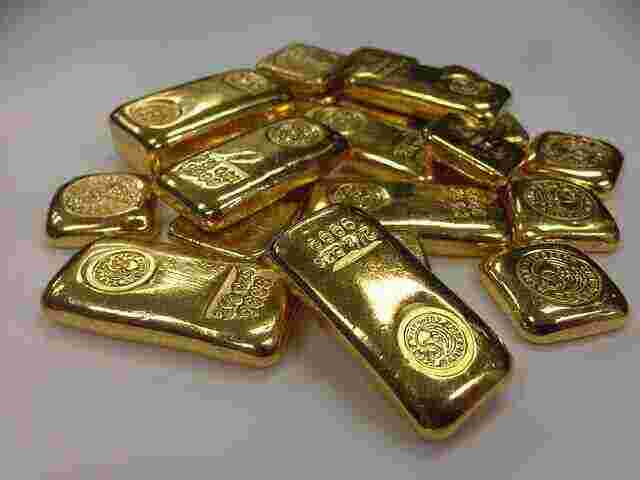
Gold Bullion Bars
Negative effects of a cashless society
For every positive argument put forward as to why we should become a cashless society, there are also several negatives. For example, the government are very keen to point out that the removal of cash from society will prevent crimes such as money laundering, however, cash money laundering in the UK is nowhere near as big a problem as cyber laundering. It is also an easier and less costly problem to solve. Furthermore, a completely digital monetary system leaves us more exposed to the risks of cyber theft and other white-collar crimes such as online fraud. Financial fraud losses in the UK last year totalled £768.8m. Impersonation and deception scams, as well as hacking and malware, were highlighted as being among the main problem areas, with payment card fraud alone accounting for £618m of the total losses.
What does this mean for you…
Another big problem with a cashless society is that control is taken away from the ordinary citizen. Small everyday transactions such as leaving a tip in a restaurant become much harder without access to hard cash. A fully digitised payment system also means complete transparency of people’s spending habits. Banks and big businesses can see exactly where people shop, what they spend and how they fund their everyday lives. In other words, they would basically have a very detailed and accurate personal profile of every single person in the country. With data protection already becoming such a huge problem, any system that makes it easier for people to take advantage of our personal information is a worrying thought.
This is just one example of how banks would benefit hugely from a society without cash. As it stands, banks have to uphold a fairly acceptable level of interest rates in order to encourage people to bank with them. If people don’t have access to physical cash however, banks can afford to charge whatever interest rates they choose. In some counties including Germany, Denmark and Japan, this has even led to some banks charging negative interest rates in a bid to try and boost spending and investment. Some financial experts have warned that this could be a very real possibility if we continue down the path to a cashless society.
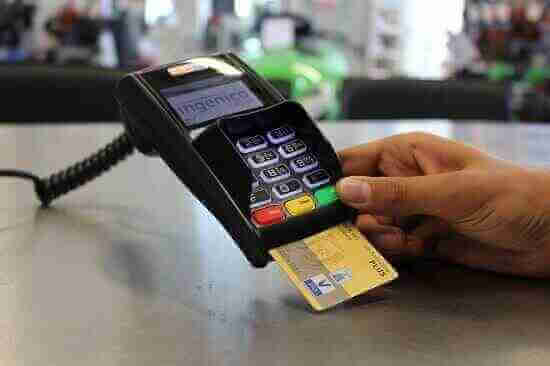
Cashless transactions are becoming the new norm
What this means for the future of gold
The closer we get to becoming a cashless society, the more important it will be for people to hold some form of tangible assets. In times of economic strife or uncertainty, people have always turned to gold as an answer and this is unlikely to change any time soon. In the near future, people will be forced to look for alternative physical currencies outside of the regulated system in order to protect their privacy and act as a safe haven against any systemic risks or potential Government expropriation. Gold is the perfect commodity in times such as these. Not only is it a finite resource with the potential to increase in value over time. Gold is also a very portable, easily stored form of wealth. Whereas people in the past might have stored some of their wealth in the form of a bag of money under the mattress, gold investments (such as gold bars and gold coins) could be the next best option for future generations.
Enjoy our video, “Buying gold – 5 reasons to invest” by clicking here.
This is already happening….
Countries around the world are already looking towards gold as a way of preserving wealth. Germany for example recently brought back all their gold reserves that were stored abroad in France and the US after the war back to the country. A clear indication they see gold as a valuable asset in these unstable economic times. In China, there is also a massive increase in the number of people investing in gold and the country saw a 50% increase in gold imports last year.
Interested in purchasing gold? Our advisers are here to help
Here at Physical Gold we strongly believe in the long-term benefits of investing in gold. If you would like to speak to one of our expert advisers, then please feel free to call us on 020 7060 9992 . We will then talk you through the different options available to you and advise on what we think is the right decision for you.
While there are many legitimate gold and silver sellers online, there are also scammers who work around the clock to steal your hard-earned cash. And social media is one of the places even moderately savvy investors can risk falling for these predators. Instead of choosing reputable gold and silver dealers, people may opt to buy through social media for convenience and other reasons. Here, we explore some of the risks associated with the buying of gold and silver on social media.
There is a great risk involved in buying gold and silver through social media
Inadequate details about the dealer
Most of the gold and silver dealers on social media do not provide detailed information to help buyers make a proper decision. Before making such an investment, buyers may want to know the years of experience of the seller, their location, the quantity of gold available, pricing, the business telephone number and more.
You can find these details on a business website, but you won’t find all of them on social media. This makes it hard to trust whoever is selling the silver or gold. If one proceeds to buy these products without such information, they may end up receiving counterfeit gold or silver or even be sold at exorbitant prices.
Every online shopper prefers to check out what other customers are saying about a particular product or company before making a purchase. Scammers know this, and may usually seed sites like Facebook and Twitter with legitimate sounding reviews to hoodwink new customers. The result is buyers may follow such fake reviews and end up buying non-genuine silver or gold through social media.
Storage is not guaranteed
While reputable gold dealers with business websites will provide a way to deliver the gold physically or store it in an insured storage facility, this may not always be the guarantee from social media-based gold dealers. Most online fraudulent dealers may promise to store your gold onsite without providing any proof of purchase. Therefore, even if buyers purchase gold from these dealers, they are not assured of its safety, not to mention arrival.
Reputable dealers have safe gold storage facilities
Limited expertise
New gold and silver investors have a plethora of questions that they want answered before they make any purchase. Trustworthy dealers have a team of professionals who are savvy in these investments and will gladly respond to questions from investors. However, this may not be the case when it comes to those social media sellers.
For the most part, it may be one or two people trying hard to sell the gold bars or coins. If investors rush into taking their offers without having someone to answer their questions, it may be hard to have a satisfactory transaction in many ways including pricing, storage, delivery and even legitimacy.
Buy gold and silver from trustworthy dealers
As you can see, buying gold and silver through social media is associated with risks that everyone wants to avoid. So, why not buy your silver or gold from a reputable company with industry experts who can answer any questions related to pricing, delivery, authenticity, storage, and more?
If you would like to buy or sell gold or silver, call us on 020 7060 9992. You can also leave a message on our contact form to start a productive discussion.
Gold has always been a highly respected commodity throughout the world with coins containing gold dating back to 800 B.C. Gold has been traded for centuries and is still one of the most important investments a person could make. With this being said, there are many reasons to own gold and we have created a list of the top 7.
1) Gold Has a History of Holding Its Value
Paper currency, coins and other such assets often lose their value, but gold is the one commodity that has retained its value for decades. It is often used as a way of passing on one’s wealth from one generation to the next.
Sure, the U.S. dollar is one of the most important reserve currencies in the world,
take the test but when the dollar drops in value, people often flock to gold for its security. There will always be large budget and trade deficits and a large increase in the U.S.’s money supply, and gold will still hold strong and will be one of the best investments you can make.
3) Inflation
When the cost of living increases, gold prices tend to rise. This makes gold an excellent hedge against inflation even during those high inflation years that see the stock market plunging.
4) Deflation
Just as with inflation, gold offers investors security during times of deflation. When prices decrease, businesses slow down and excessive debt takes over the economy, the purchasing power of gold will increase sharply.
5) Increasing Demand
The demand for gold has grown over the years and not just by investors. The jewellery industry consumes just as much gold as the technology industry and those demands are increasing every year. India and China are two of the largest gold consuming nations in the world, often competing for gold with investors looking to increase their investment portfolios worth with the precious metal.
6) Gold is uncorrelated to the stock market
Investing in an inter-connected world today can be tricky as global events almost anywhere can send the markets into a tizzy. A war in one part of the part of the world or a sudden terror attack can send shivers across the investment community globally, triggering a massive downslide. Stock markets all over the world are driven more by investor sentiment than good old-fashioned common sense and stock performance. Strong fundamentals of a company can have little influence on its stock performance if it’s caught in a market downslide.
Here’s the deal
When you by gold and hold it in its real physical form, you offset all these risks. While it’s true you won’t get a 30% return as you would from a technology stock in the middle of a bull run, but you trade that volatility for dependability and steady growth when you invest with a good window of investment. Gold has always generated good returns and will always have value as an asset class. There is also the added security in knowing that your asset is owned by you and in your custody or safe at a location of your choice. As such, your investment is not open to the risk of sudden market action. A good window of investment could mean that you need to hold your asset for 5+ years. Within these timeframes, gold has always appreciated in value and delivered great returns in the long run. In fact, one of the main reasons that people do invest in gold is to protect themselves from market risks associated with other asset classes. Even prime real estate generating good returns over time has been known to react adversely to market forces.
7) No issuer risk
Owning physical gold protects you against issuer risk. If you buy gold certificates, gold bonds or gold warrants, you are up against what is commonly known as issuer risk. This is the risk of the very issuer of your certificate shutting shop and filing for bankruptcy. Unthinkable as it may be, it is a possibility. If that were to happen you would be left hanging on to pieces of paper which would be worthless. In much the same way that stocks of a company become worthless when the company collapses, the issuer filing for bankruptcy could leave you high and dry.
Although there are many more reasons to own gold, these are the most popular. Are you ready to add gold to your investment portfolio? To learn more about gold investing, contact the professionals at Physical Gold today! Call us on 020 7060 9992 and talk to one of our gold advisors who can take you through the ropes of buying gold. There are many avenues to consider – coins or ingots? Rare coins? Let our investment experts guide you on how to expand your investment portfolio and add the yellow metal to it.
Counterparty risk is a risk within a contract where the counterparty doesn’t live up to its contractual obligations. Potentially counterparty risk is a type of risk which could be open to both parties and is one which needs to be carefully considered when entering a contract.
Counterparty risk is an everyday risk
We experience counterparty risk every day. Examples are buying shopping at a supermarket, leasing a car, paying for gas and electricity. We live in a contractual world, but do both parties always live up to their obligations?
With financial markets, there is always an element of counterparty risk
The risk in investment terms
For any type of paper-based investment, where no direct assets are involved, e.g. shares, bonds, traded funds, etc. there is always a degree of counterparty risk. Here is a list of just a few of the risks associated with the company or fund you may indirectly be dealing with:
Credit status – the credit status of the company / fund can create issues with ability to trade
Employee fraud – (e.g. embezzlement), particularly at Director level
Liquidity – whilst trading profitability a business may be illiquid, causing a lack of confidence with their bankers
Market changes – a sudden change in the market (e.g. oil price) could dramatically affect the value of an investment
Mergers and acquisitions – a significant organisational change could introduce new risk exposure
Overexposure to a bank – funds in a bank which collapses is a major financial risk
We hope you enjoy our YouTube video – “Buying gold bars – a guide for investors”
A cautionary word about gold ETFs
Don’t be fooled into thinking that gold ETFs (exchange traded funds) are free of counterparty risk,
they are not as they are a commodity, a financial instrument. Always think of gold bullion and coins investment as entirely different from gold ETF investment. Investing in gold that you can “touch and feel” is investing in a real and tangible asset, whereas ETFs are paper gold only
Many investors think that an ETF is the same as owning physical gold, in that the funds gold is inventoried and recorded in accounts and in member areas of websites. This is true, but there are numerous risks associated with this type of investment and in recent years there has been a frequent number of increasingly severe cases of collapse and mismanagement of ETF funds. This article from Business Insider provides a useful insight.
Physical gold and silver have no counterparty risk
Precious metals like gold and silver have been traded for millennia and can be relied upon as a safe form of investment of wealth. Unlike some forms of investments, they are not country-specific, gold and silver can be traded everywhere across the world.
Gold and silver are real, tangible assets, which can be touched and have a known market price. Precious metals cannot default on payments or go bankrupt, don’t need boards of directors and are not subject to many manipulations that other investments can be.
There is no counterparty risk with physical gold
Here at Physical Gold, we would always recommend a balanced portfolio of investments to spread risks. If you don’t own any gold or silver, why not buy some and reduce your counterparty risk?
Buy Physical Gold directly from us
So why not contact Physical Gold to buy real assets like gold and silver, which have no counterparty risk. We can deliver the gold and silver to you very quickly and provide an entirely smooth transaction. Contact us on 020 7060 9992 or email us through our contact form to begin discussions.
One of the main investment benefits of gold is its liquidity. In fact, if you think about it, the words “liquid” and “gold” go together as “liquid gold” proving the connection! In this article, we explore the liquidity of gold and how easy it is to convert gold bars and coins into cash in the bank.
“Liquidity describes the degree to which an asset or security can be quickly bought or sold in the market without affecting the asset’s price.”
Gold is highly liquid, convertible into cash and frequently rises in price over time
An example of poor liquidity
Take an investment item for example such as a house. This is an illiquid asset as it takes time to sell a house for its market price. Obviously, a house can be sold quickly, but this would be at a substantial drop in its value. Typically houses take 3 – 12 months to sell, so are illiquid where money is rapidly needed.
Gold prices are published 24/7, gold can readily be sold at any time
Gold based products such as jewellery can readily be sold for cash at high street jewellers
Gold can be sold at any volume, from millions of Kg to an individual bar or coin
Gold has a long track record of success (it was even used in Roman times), which adds to market confidence
The appeal of gold’s liquidity
The liquidity of gold is undoubtedly a benefit, which many investors overlook, but think about it for a minute, if you needed to convert gold into cash quickly, liquidity is vital! The fact that gold has a spot price worldwide means it can be treated similarly to a currency but actually has less risk than an individual currency which is subject to the whims of the economy of the currency in question. Private investors have recognised the importance of portfolio diversification through gold and have recognised the liquidity issues associated with investments such as commodities, hedge funds, shares, etc.
Liquidity of Gold Coins
To maximize the ease at which you can sell your investment gold, buying bullion gold coins generally beats the liquidity of gold bars or collectors coins. Coins have the advantage of being small in a denomination which increases the selling options, therefore enhancing liquidity. There are more people who can afford a small coin than a large bar, so more buyers equates to an easier sale. Bullion coins are the most liquid of all as they require less expertise and knowledge than numismatic (older) coins. To achieve the optimum price when selling obscure or collectors coins, more time is required to find the right buyer than basic investment bullion coins.
Other benefits of gold investment
When you consider other benefits of gold in investment
such as its rarity, as an inflation hedge, for investment portfolio diversity, its increasing industrial demand, the collectability/appeal of owning gold coins, etc. there are many other reasons too apart from liquidity to invest in gold. Effectively liquidity is an added extra benefit for free!
Contact Physical Gold to invest in gold
Investing in gold couldn’t be easier, simply contact Physical Gold today on 020 7060 9992 and we can advise you on the best gold investment approach for your circumstances. Look around our site to view our options and email us to arrange a call or with any questions you may have about gold investment.
Live Gold Spot Price in Sterling.
Gold is one of the densest of all metals. It is a good conductor of heat and electricity. It is also soft and the most malleable and ductile of the elements; an ounce (31.1 grams; gold is weighed in troy ounces) can be beaten out to 187 square feet (about 17 square metres) in extremely thin sheets called gold leaf.
Silver Information
Live Silver Spot Price in Sterling.
Silver (Ag), chemical element, a white lustrous metal valued for its decorative beauty and electrical conductivity. Silver is located in Group 11 (Ib) and Period 5 of the periodic table, between copper (Period 4) and gold (Period 6), and its physical and chemical properties are intermediate between those two metals.

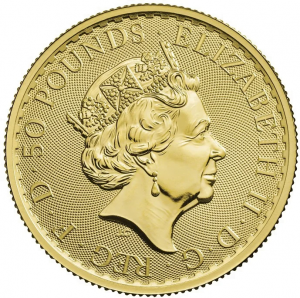
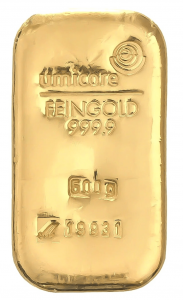




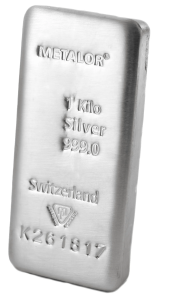
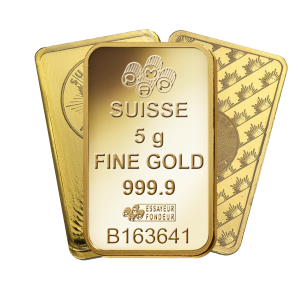


 had a huge hand in making the gold industry what it is today. Bringing together many of the world’s most prestigious gold-mining companies, it was originally founded to help promote the global demand for gold and fuel consumer interest.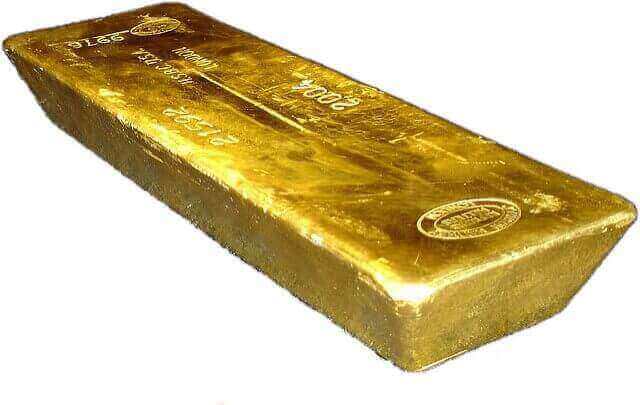




.jpg)
