
Benefits of investing in silver: 9 reasons to consider silver
05/11/2026Daniel Fisher

Accumulate gold coins on a regular basis for home delivery or storage.
Let our experts hand-pick a gold investment portfolio for you.
Free & fully insured UK Delivery. Learn more

Secure & flexible payments. Learn more

Buyback Guarantee Learn more

A cost-effective way to buy silver bullion with off-shore storage
Let our experts hand-pick a silver investment portfolio for you.
Free & fully insured UK Delivery. Learn more
Secure & flexible payments. Learn more
Buyback Guarantee Learn more
Free & fully insured UK Delivery. Learn more
Secure & flexible payments. Learn more
Buyback Guarantee Learn more


Accumulate gold coins on a regular basis for home delivery or storage.
Let our experts hand-pick a gold investment portfolio for you.
A cost-effective way to buy silver bullion with off-shore storage
Let our experts hand-pick a silver investment portfolio for you.
Free & fully insured UK Delivery. Learn more
Secure & flexible payments. Learn more
Buyback Guarantee Learn more
Free & fully insured UK Delivery. Learn more
Secure & flexible payments. Learn more
Buyback Guarantee Learn more
Gold has traditionally been the first choice for investors looking to own physical precious metals. But silver offers a different opportunity – combining the appeal of a tangible asset with demand from industries including solar energy, electronics and advanced manufacturing.
For investors who already own gold, silver can be an interesting addition to a precious metals portfolio. It offers exposure to different market forces, a considerably lower price per ounce and the potential for substantial price movements.
There are also more ways to invest in physical silver than many people realise. You can buy silver coins and bars for delivery in the UK, or purchase eligible silver for secure offshore storage without paying UK VAT upfront.
In this guide, we explore nine benefits of investing in silver, the risks to consider and how to choose the most suitable form of physical silver investment.
Already invested in gold? Discover why silver could complement your existing holdings, or explore Physical Gold’s silver range.

Adding physical silver to an existing gold portfolio provides exposure to a precious metal with different investment and industrial demand characteristics.
One of the most compelling reasons to invest in silver is diversification.
Gold and silver are both precious metals, but their prices do not always respond to economic developments in the same way.
Gold is heavily influenced by monetary policy, interest rates, currency movements, central bank activity and investment demand.
Silver responds to many of these same factors, but its substantial industrial applications introduce an additional influence.
For example, stronger manufacturing activity and demand for electrical components may support silver consumption even when the factors influencing gold prices are different.
Conversely, an industrial slowdown can put pressure on silver demand.
This means silver can provide a different source of exposure within an existing precious metals portfolio.
However, owning both metals does not guarantee lower overall portfolio risk. Their prices can fall together, and silver is generally more volatile than gold.
For investors who already own gold, the attraction is not necessarily replacing gold, but adding a precious metal with a different combination of investment and industrial demand.
Unlike gold, a substantial proportion of annual silver demand comes from industrial applications.
Silver has exceptional electrical conductivity, high thermal conductivity and useful reflective properties, making it valuable across numerous technologies.
Important applications include:
These uses create demand beyond investment products, jewellery and silverware.
As technology develops and electrification continues, silver may benefit from growth in particular industries.
However, industrial demand is not guaranteed to rise indefinitely. Manufacturers can reduce the amount of silver used in individual products, substitute other materials where practical or respond to changing production costs.
Why this matters to investors: silver provides exposure to both precious metals investment demand and industrial consumption.

Silver's appeal extends beyond precious metals investment. Its widespread use in solar energy, electronics, electric vehicles and manufacturing creates an additional source of demand.
Silver’s considerably lower price per troy ounce makes it accessible to investors who want to build a physical precious metals holding gradually.
Rather than purchasing a larger gold coin or bar, an investor can buy individual silver coins at a lower price per unit.
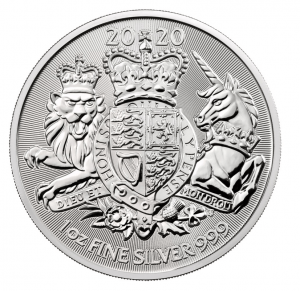
For example, 1oz Silver Britannias provide a recognisable way to acquire physical silver in manageable quantities.
Silver can also appeal to investors who prefer to make regular purchases rather than commit a larger amount in one transaction.
There is, however, an important distinction between affordability and value.
Silver’s lower price per ounce does not automatically make it a better investment than gold. Premiums, VAT, storage costs and eventual selling prices all affect the overall return.
For UK investors, these costs can be particularly important because physical silver purchased for domestic delivery is generally subject to 20% VAT.
Silver has historically experienced periods when its price has risen more sharply than gold.
One reason is that the silver market is smaller and can be more sensitive to changes in investment demand.
When investor interest increases significantly, silver prices can move rapidly.
Industrial demand, supply constraints and changes in market sentiment can also contribute to substantial price movements.
For investors seeking growth potential, this volatility can be attractive.
However, the reverse is equally important.
Silver can also experience sharper declines than gold. It should not be assumed that silver will outperform gold during every economic crisis or period of inflation.
Investors should therefore consider silver’s growth potential alongside their ability to tolerate significant short-term price fluctuations.
Get the free cheat sheet now.
When you buy physical silver coins or bars, you own a real asset rather than simply holding a financial instrument linked to its price.
This distinguishes physical bullion from products such as silver exchange-traded funds, mining shares and derivatives.
Physical silver does not depend on the profitability of a particular company or the performance of an investment fund.
For some investors, this direct ownership is an important reason to hold precious metals.
There are two principal ways to own physical silver:
You can purchase silver coins or silver bars for delivery and arrange your own secure storage.
You can own specific physical bullion held securely on your behalf, avoiding the need to store significant quantities at home.
Physical Gold’s offshore silver offering uses fully allocated and segregated storage at Brink’s in Zurich, Switzerland.
Professional storage introduces custody arrangements and ongoing charges, so it is important to understand the terms of ownership, insurance and access.
Physical silver also requires secure handling and storage, and its value remains exposed to movements in the silver market.
The gold-to-silver ratio measures how many ounces of silver are needed to purchase one ounce of gold.
For example, if gold were trading at £3,000 per ounce and silver at £40 per ounce, the ratio would be 75:1.
Some precious metals investors monitor the gold-to-silver ratio to assess the relative value of the two metals and help inform their investment decisions.
A higher ratio indicates that silver is relatively cheaper compared with gold, while a lower ratio indicates that silver has become relatively more expensive.
Historically, some investors have used changes in the ratio to help determine when to increase their exposure to gold or silver.
However, a high ratio does not necessarily mean silver is undervalued or that its price is about to rise. The ratio can remain elevated for extended periods and is influenced by industrial demand, investment flows and wider economic conditions.
For investors who already own gold, monitoring the ratio can provide an additional perspective when considering whether to diversify into silver.
It should, however, be considered alongside premiums, VAT and other investment costs rather than used as a standalone buying signal.
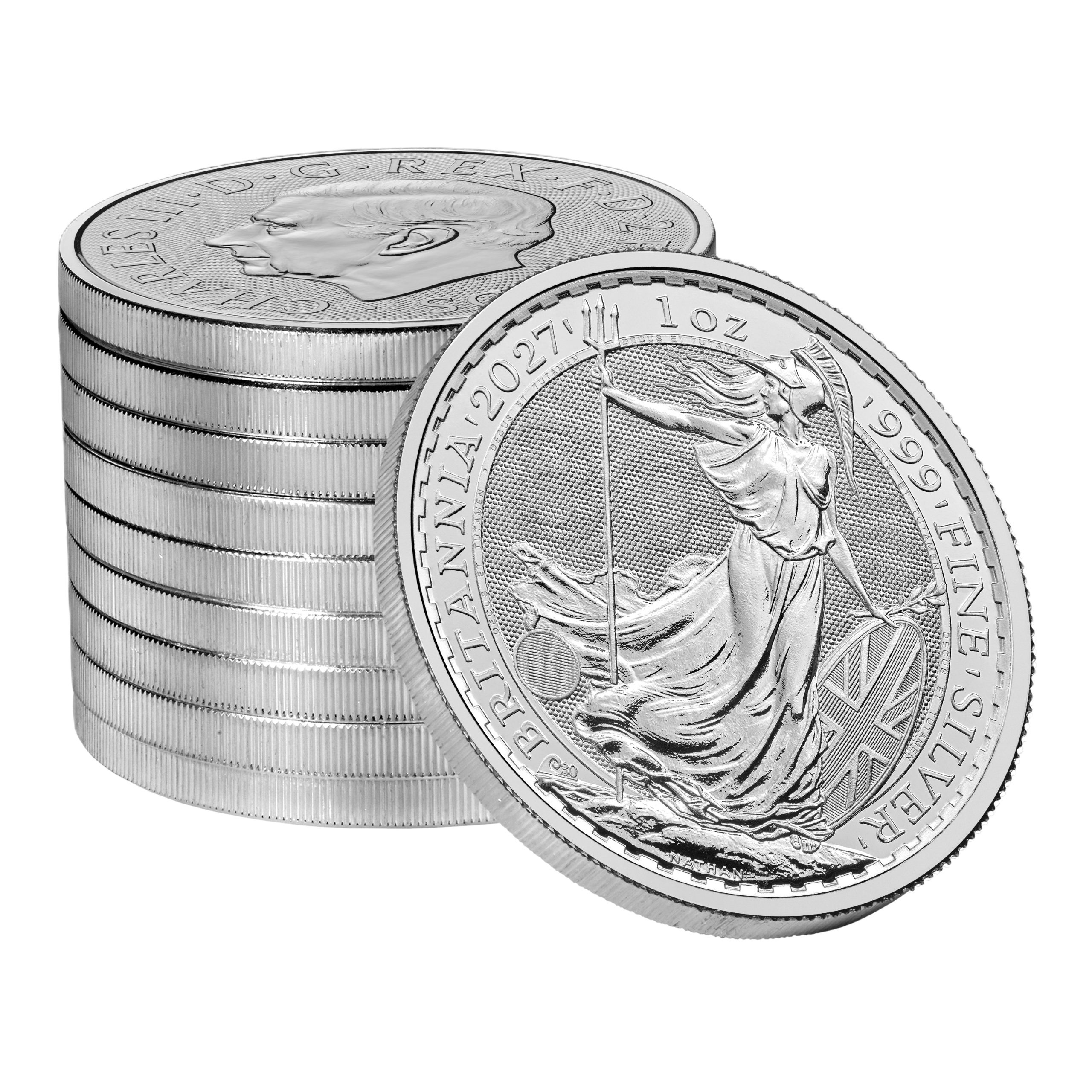
Tax treatment is an important consideration when choosing which silver products to buy.
For UK investors, Silver Britannias have a particular advantage.
Because they are British legal-tender coins, gains on qualifying Silver Britannias are generally exempt from UK Capital Gains Tax for individuals.
This is particularly relevant to investors building larger precious metals holdings or planning to retain silver over an extended period.
The same exemption does not automatically apply to silver bars or overseas bullion coins.
For example, gains on silver bars may be subject to Capital Gains Tax, depending on the investor’s circumstances and applicable exemptions or allowances.
It is also important to distinguish Capital Gains Tax from VAT.
Although Silver Britannias can be CGT-exempt, coins purchased for delivery in the UK are generally subject to 20% VAT.
You can learn more about the different rules in our guide to the tax implications of gold and silver investments.
One of the biggest considerations for UK silver investors is VAT.
Unlike qualifying investment gold, physical silver purchased for delivery in the UK is generally subject to 20% VAT.
This increases the initial cost of purchasing silver and can make it more difficult to achieve a positive investment return.
However, investors who do not need to take physical delivery in the UK have another option.
Physical Gold offers eligible silver purchased for secure offshore storage in Zurich, Switzerland.
Because the silver is acquired and retained within the qualifying offshore arrangement, UK VAT is not charged upfront.
The bullion remains physical silver owned by the investor and is held on a fully allocated and segregated basis.
Physical Gold currently offers two eligible products:
These provide silver in individual 1oz coins, combining the flexibility of smaller units with the UK Capital Gains Tax advantages associated with British legal-tender Britannias.
The current offshore storage product has a minimum purchase quantity of 25 coins.
These offer an alternative for investors who prefer larger units of investment-grade silver and are primarily interested in acquiring silver content at a competitive premium.
Unlike Britannias, silver bars do not automatically benefit from the British legal-tender CGT exemption.

The principal benefit is avoiding the initial 20% UK VAT charge on qualifying purchases.
It also removes the need to arrange personal storage for a substantial quantity of silver.
Investors can sell silver from the offshore storage arrangement without first importing it into the UK.
However, offshore storage is not entirely cost-free. Storage charges apply, and importing the silver into the UK later will generally trigger import VAT.
The total investment cost should therefore include the bullion premium, storage fees and eventual selling arrangements.
For investors who intend to hold silver over the medium or long term without taking UK delivery, offshore storage may offer an attractive alternative.

Two ways to invest in physical silver: take delivery of silver coins and bars in the UK or purchase eligible silver for secure offshore storage without paying UK VAT upfront.
Physical silver is available in a range of sizes, allowing investors to choose products suited to their budget and investment objectives.
Silver coins are generally available in smaller individual units, while bars can provide a practical way to purchase larger quantities.
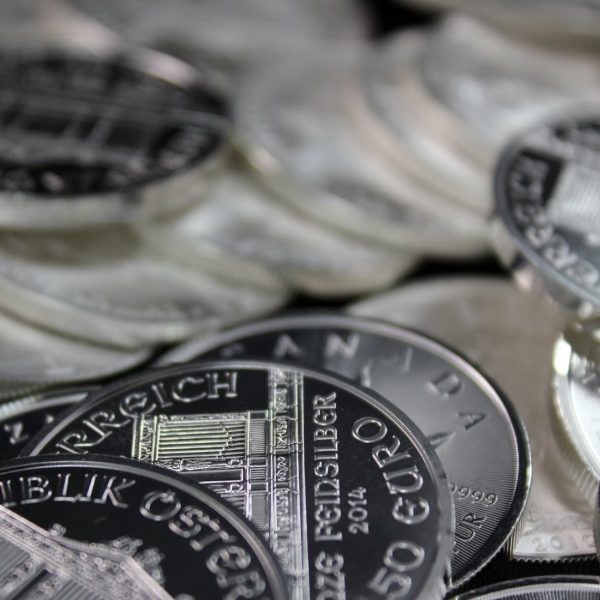
Silver bullion coins are widely recognised and relatively straightforward to buy and sell.
A holding of individual 1oz coins can be divided into smaller quantities when the investor wants to sell part of their investment.
Silver Britannias also offer the additional advantage of CGT exemption for UK individuals.
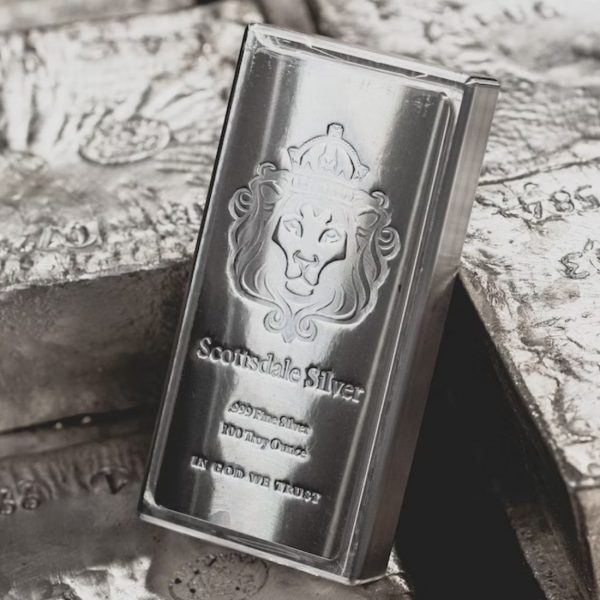
Silver bars can be attractive for investors purchasing larger quantities of silver.
Larger bars often have lower manufacturing premiums per gram than smaller coins, although the actual saving depends on the products and prevailing market conditions.
The main trade-off is divisibility.
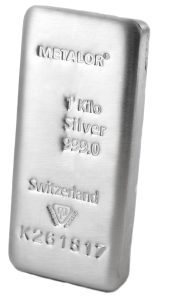
For example, an investor holding a single 1kg silver bar cannot sell half the bar without disposing of or exchanging the entire unit.
The best choice depends on your investment budget, tax considerations and how much flexibility you want when eventually selling.
Silver coins, particularly Silver Britannias, offer the convenience of smaller individual units and potential Capital Gains Tax advantages. Larger silver bars may offer lower premiums per gram, making them attractive to investors purchasing greater quantities.
For a more detailed comparison of purchase costs, tax treatment and selling flexibility, read our guide to whether silver coins or bars are better for investment.
Investors should consider both the initial purchase price and the eventual selling arrangements.
For more detail, explore our silver coin range or silver bars.
Although silver has several attractive characteristics, it is important to understand the potential disadvantages before buying.
Silver can experience substantial short-term price movements and may fall sharply during periods of economic uncertainty or weaker industrial demand.
Investors purchasing silver for UK delivery generally pay 20% VAT, which increases the amount that must be recovered before the investment becomes profitable.
The price paid for physical silver includes a dealer premium above the underlying metal value. When selling, a dealer’s buyback price may be below the prevailing spot price.
These costs mean the silver price may need to rise before an investor makes a profit.
Premiums on physical silver are generally higher than those on gold, making purchase costs particularly important when comparing the two metals.
For a more detailed comparison, read our guide to gold versus silver investment, including how premiums and selling spreads can affect your returns.
Because silver has a substantially lower value per unit of weight, a silver investment of equivalent monetary value will generally require considerably more physical storage space than gold.
This can make secure professional storage particularly relevant for larger holdings.
Physical silver does not pay interest or dividends. Any financial return depends on the price achieved when it is eventually sold, after costs.
For investors who already hold physical gold, adding silver can be an attractive way to diversify their precious metals portfolio. Although both metals share some investment characteristics, silver offers several distinct advantages:
However, gold retains important advantages, including generally lower volatility, VAT exemption for qualifying investment gold and more compact storage requirements.
The question isn’t necessarily whether gold or silver is the better investment, but whether owning both could help achieve your investment objectives.
For existing gold investors, silver may provide a complementary opportunity, with the appropriate allocation depending on individual circumstances, investment timescales and appetite for risk.
Physical Gold helps UK investors purchase physical silver coins and bars, with options for both UK delivery and secure storage.
Whether you are making your first silver purchase or adding silver to an established gold portfolio, our team can help you understand the differences between available products, premiums, VAT and storage.
There are two principal routes to consider.
If you want to keep your silver yourself, choose from our range of investment silver coins and bars.
Silver Britannias are particularly popular with UK investors because of their recognisable design, divisibility and Capital Gains Tax treatment.
Physical Gold provides free, fully insured UK delivery on eligible bullion orders.
If you do not need UK delivery, our offshore storage arrangement offers a different way to own physical silver.
Choose eligible Silver Britannias or 1kg silver bars, purchased without the initial UK VAT charge and held securely in Zurich.
Your bullion is fully allocated and segregated, and you retain ownership of the physical metal.
Storage charges apply, and UK import VAT will generally become payable if you later bring the silver into the UK.

Physical Gold is a specialist precious metals dealer based in London’s Hatton Garden and an authorised Royal Mint distributor.
We offer a wide choice of physical silver bullion products, transparent pricing and practical guidance on selecting suitable coins, bars and storage arrangements.
Our team can help you compare the different costs and tax considerations before making a purchase.
For assistance, call 020 7060 9992 or email info@physicalgold.com.
Silver can be a useful addition to a diversified investment portfolio, particularly for investors seeking physical precious metals exposure alongside gold. However, silver is volatile, and UK investors should consider VAT, premiums, storage and selling costs before buying.
Neither metal is universally better. Gold generally has lower volatility and qualifying investment gold is VAT-exempt in the UK. Silver has a lower price per ounce and greater exposure to industrial demand, but it can experience larger price fluctuations.
Investors buy silver for diversification, tangible ownership, potential capital appreciation, industrial demand exposure and, in the case of qualifying British legal-tender coins, favourable Capital Gains Tax treatment.
Physical silver purchased for delivery in the UK is generally subject to 20% VAT. Qualifying silver purchased for offshore storage may be acquired without an upfront UK VAT charge while it remains within the relevant arrangement.
Gains on qualifying British legal-tender Silver Britannias are generally exempt from UK Capital Gains Tax for individuals. This does not remove the VAT normally charged on Silver Britannias purchased for UK delivery.
Yes. Physical Gold offers eligible Silver Britannias and 1kg silver bars for offshore storage in Zurich, without an initial UK VAT charge. These products are for offshore storage rather than UK delivery, and storage charges apply.
Silver coins offer flexibility because they can be bought and sold in smaller individual units. Larger silver bars may offer lower premiums per gram. Tax treatment also differs, particularly for British legal-tender Silver Britannias.
Yes. Physical Gold’s offshore storage arrangement allows investors to sell eligible silver from storage without first importing the bullion into the UK. Contact Physical Gold for current buyback prices and procedures.
Silver offers several advantages for investors seeking to broaden their precious metals holdings.
Its industrial applications, lower price per ounce and potential for substantial price movements distinguish it from gold.
For UK investors, the choice of product and purchase arrangement can be just as important as the decision to invest in silver itself.
Silver Britannias offer valuable Capital Gains Tax advantages, while eligible offshore storage products provide an opportunity to acquire physical silver without paying UK VAT upfront.
The most suitable approach depends on whether you want personal possession, secure storage, smaller individual coins or larger silver bars.
Browse Physical Gold’s silver range, discover VAT-free silver storage or contact our team for guidance on choosing between the available options.
Precious metals prices can rise or fall. Past performance is not a reliable indicator of future returns. Tax treatment depends on individual circumstances and may change.

Live Gold Spot Price in Sterling. Gold is one of the densest of all metals. It is a good conductor of heat and electricity. It is also soft and the most malleable and ductile of the elements; an ounce (31.1 grams; gold is weighed in troy ounces) can be beaten out to 187 square feet (about 17 square metres) in extremely thin sheets called gold leaf.
Live Silver Spot Price in Sterling. Silver (Ag), chemical element, a white lustrous metal valued for its decorative beauty and electrical conductivity. Silver is located in Group 11 (Ib) and Period 5 of the periodic table, between copper (Period 4) and gold (Period 6), and its physical and chemical properties are intermediate between those two metals.