Silver coins vs silver bars: which is the better investment?
26/10/2026Daniel Fisher

Accumulate gold coins on a regular basis for home delivery or storage.
Let our experts hand-pick a gold investment portfolio for you.
Free & fully insured UK Delivery. Learn more

Secure & flexible payments. Learn more

Buyback Guarantee Learn more

A cost-effective way to buy silver bullion with off-shore storage
Let our experts hand-pick a silver investment portfolio for you.
Free & fully insured UK Delivery. Learn more
Secure & flexible payments. Learn more
Buyback Guarantee Learn more
Free & fully insured UK Delivery. Learn more
Secure & flexible payments. Learn more
Buyback Guarantee Learn more


Accumulate gold coins on a regular basis for home delivery or storage.
Let our experts hand-pick a gold investment portfolio for you.
A cost-effective way to buy silver bullion with off-shore storage
Let our experts hand-pick a silver investment portfolio for you.
Free & fully insured UK Delivery. Learn more
Secure & flexible payments. Learn more
Buyback Guarantee Learn more
Free & fully insured UK Delivery. Learn more
Secure & flexible payments. Learn more
Buyback Guarantee Learn more
When investing in physical silver, one of the first decisions is whether to buy silver coins or silver bars. Both offer direct ownership of a tangible precious metal, but differences in price, premiums, taxation and selling flexibility can have a significant impact on your investment.
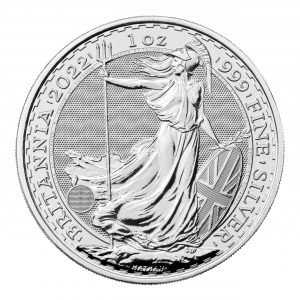
Silver coins are generally better for flexibility and smaller sales, while larger silver bars often provide a lower purchase premium per ounce. For UK investors, qualifying British legal-tender coins, such as Silver Britannias, also offer a valuable Capital Gains Tax (CGT) exemption.
However, the most cost-effective option isn’t always the one with the lowest advertised premium. VAT, storage costs and the price you eventually receive when selling all matter.
In this guide, we compare the advantages and disadvantages of silver coins and bars, explain the UK tax implications and explore how VAT-free silver can change the calculation.

Silver coins offer greater selling flexibility, while larger silver bars typically have lower premiums per ounce.
Both silver coins and bars provide exposure to the underlying silver price. The main differences concern how much you pay above that price, how easily you can sell part of your holding and the tax treatment of your investment.
The choice often comes down to your priorities. Investors building a holding gradually may prefer silver bullion coins, while those purchasing larger quantities may find silver bars more economical.
For investors who do not need to take physical delivery, offshore storage can offer a third approach worth considering.
The value of a silver investment depends on more than the amount of silver purchased. You also need to consider the premium paid above the market price and the amount you might receive when selling.
Popular investment coins such as the Silver Britannia, Canadian Maple Leaf and American Silver Eagle contain a specified weight of fine silver and are widely recognised by bullion dealers.
Their appeal includes recognisable designs, established markets and the ability to buy or sell in relatively small quantities.
However, coins usually cost more to manufacture, distribute and package than larger silver bars. These costs contribute to a higher premium above the underlying silver price.
For investors looking to minimise purchase costs, pre-owned silver bullion coins may also be worth comparing with brand-new issues. Where available, common-date coins can offer the same silver content at a lower premium, without paying extra for a particular year or design.
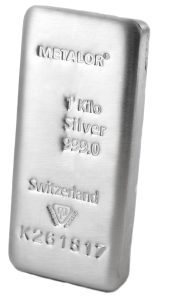
Silver bars are available in numerous sizes, from small 1oz bars to substantial 1kg and 5kg products.
Larger bars generally benefit from economies of scale. Manufacturing and handling costs represent a smaller proportion of the overall metal value, which can make them more economical per ounce.
For example, a 1kg silver bar contains approximately 32.15 troy ounces of silver. Purchasing that quantity in a single bar will often involve a lower overall premium than buying 32 individual 1oz coins.
However, the cheapest purchase isn’t necessarily the most profitable investment. Bars do not benefit from the CGT exemption available to qualifying UK legal-tender coins, and larger bars offer less flexibility when selling.
The spot price of silver represents the underlying market value of the metal. The price paid for a physical coin or bar is usually higher because dealers add a premium.
When selling, the price offered by a dealer may be below the spot price. The difference between the dealer’s buying and selling prices is commonly called the spread.
This means the silver price may need to rise before an investor can recover their original purchase costs.
Investors should therefore compare the total cost of buying, holding and eventually selling silver, rather than focusing exclusively on the initial premium.
For more detail on how dealer pricing affects investment returns, read our guide to selling gold and silver – 10 important considerations.

Silver coins typically carry higher premiums than larger bars. This example compares a 19% premium on Silver Britannias with 15% on 1kg silver bars, showing how VAT affects the final purchase price.
Taxation is one of the most important differences between investing in silver coins and bars in the UK.
Two separate taxes need to be considered: VAT when purchasing silver and potential Capital Gains Tax when selling it.
Physical silver purchased for delivery in the UK is generally subject to 20% VAT, whether it is purchased as coins or bars.
This differs from qualifying investment gold, which benefits from a UK VAT exemption.
For example, a silver product priced at £1,000 before VAT would generally cost £1,200 including VAT when purchased for UK delivery.
That additional cost affects the amount the silver must appreciate before an investor can make a profit.
However, investors who do not require UK delivery may be able to purchase qualifying silver through an offshore storage arrangement without paying UK VAT on the initial purchase.
Certain British legal-tender silver coins, including Silver Britannias, are exempt from Capital Gains Tax for UK individuals.
This is because qualifying sterling currency is excluded from CGT under UK tax legislation.
The exemption can be particularly valuable for investors expecting to build substantial silver holdings or make significant gains over time.
Importantly, not all silver coins qualify. Foreign silver bullion coins, including American Silver Eagles and Canadian Maple Leafs, do not benefit from the same UK sterling-currency exemption.
Silver bars are also not covered by this exemption. Gains from selling bars may be taxable, depending on the investor’s circumstances and available allowances.
The distinction is confirmed in HMRC’s guidance on coins and Capital Gains Tax.
For a fuller explanation, including the differences between VAT, CGT and inheritance tax, read our guide to the tax implications of gold and silver for UK investors.
Not necessarily.
A Silver Britannia may cost more to purchase than an equivalent weight of silver in bar form. If the investment generates only a modest gain, the higher initial premium could outweigh the value of its CGT exemption.
Conversely, for an investor with substantial taxable gains, the exemption could become increasingly valuable.
The appropriate choice depends on the purchase price, eventual selling price, other taxable gains and individual circumstances.

Silver Britannias benefit from a Capital Gains Tax exemption for UK individuals, unlike most foreign silver bullion coins and silver bars. All three are generally subject to 20% VAT when purchased for UK delivery.
For investors who want to own physical silver without taking delivery in the UK, offshore storage can offer an alternative to paying 20% VAT upfront.
Physical Gold offers a VAT-free silver investment service through which qualifying silver is purchased and held in secure storage in Zurich, Switzerland.
Rather than importing the silver into the UK, the bullion remains within the offshore storage arrangement, so UK VAT is not charged on the qualifying initial purchase.
Physical Gold currently offers two main options:
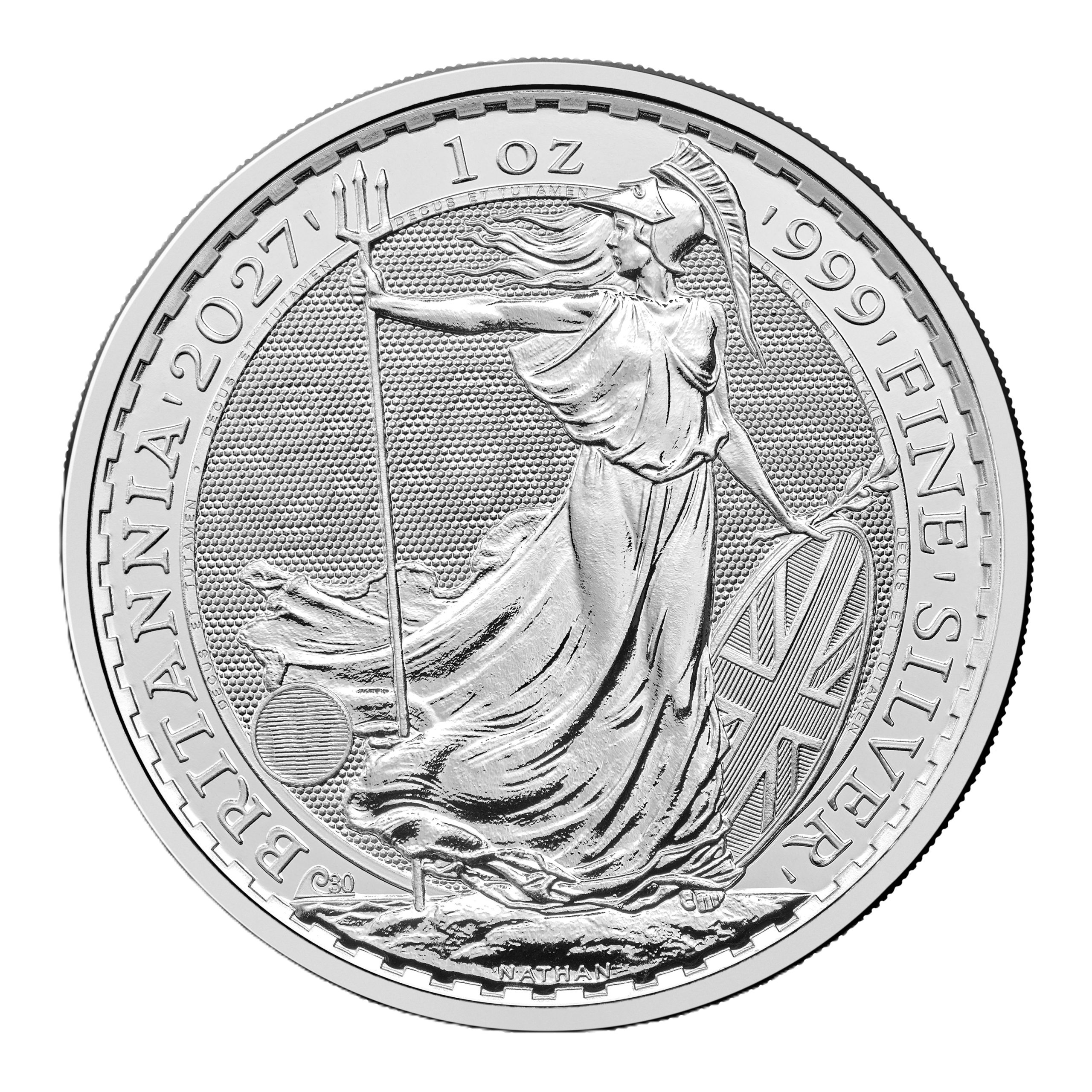
These provide ownership of individual 1oz Silver Britannias, combining the divisibility of coins with the CGT exemption available to qualifying British legal-tender currency.
They may appeal to investors who value smaller selling units and tax efficiency.
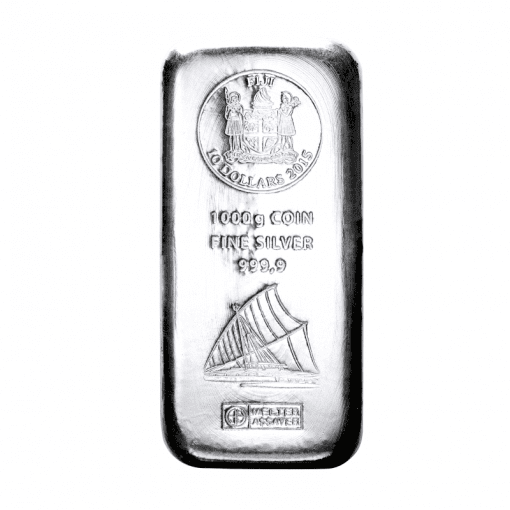
VAT-free 1kg silver bars
These offer a way to purchase larger quantities of silver in individual 1kg units, generally with a lower premium per ounce than smaller bullion coins.
They may suit investors focused primarily on acquiring silver at a competitive price.
Silver purchased through Physical Gold’s offshore storage service is held at Brink’s in Zurich on a fully allocated and segregated basis.
This means investors retain legal ownership of identifiable physical silver, rather than simply purchasing financial exposure to the metal.
The bullion is securely stored and insured, with ongoing storage charges applying.
It is important to understand that VAT-free silver is a storage-only product. If the silver is subsequently imported into the UK, VAT will become applicable.
Investors can also arrange to sell their silver directly from storage without first taking UK delivery.
For investors planning to hold significant quantities of silver over several years, the potential VAT saving can be substantial. However, ongoing storage charges should be included when comparing the overall cost of ownership.
You can review the current charges and available arrangements in our delivery and storage guide.

Physical Gold offers VAT-free silver investment through secure offshore storage, with qualifying Silver Britannia coins and 1kg silver bars held in fully allocated, segregated and insured facilities.
Own physical silver without paying UK VAT. Choose Silver Britannias or 1kg silver bars held securely in Switzerland.
Both coins and bars can be sold through established bullion dealers, provided the products are genuine and in an acceptable condition.
The main difference is flexibility rather than whether a buyer can be found.
Silver coins are particularly useful when an investor wants to sell only part of a holding.
For example, someone holding 100 individual Silver Britannias could choose to sell 10, 25 or 50 coins while retaining the remainder.
Recognisable bullion coins from established mints also have well-developed secondary markets, making them familiar products for dealers to value and purchase.
However, the price offered will still depend on the prevailing silver price, market demand and the dealer’s buyback terms.
Silver bars can also be straightforward to sell, especially when produced by recognised refiners such as Metalor, Umicore or Heraeus.
The main limitation is that each bar must generally be sold as a complete unit.
An investor holding a single 1kg bar cannot sell only 100g of it. By contrast, someone holding ten 100g bars could sell a smaller proportion of their investment.
This is why bar size matters. Smaller bars offer greater divisibility, although they can carry higher premiums per gram than larger bars.
For further guidance on timing, valuation and dealer buyback prices, see our 10 important considerations when selling gold and silver.

Silver coins offer greater selling flexibility, allowing investors to sell smaller quantities in stages. A single 1kg silver bar generally needs to be sold in full, despite containing approximately the same amount of silver as 32 one-ounce coins.
Silver coins and bars can both be stored securely at home or through a professional vault provider.
The best approach depends on the quantity held, insurance requirements and whether the investor wants direct access to the metal.
Silver bullion coins are relatively compact and can be stored in protective capsules, tubes or larger storage boxes.
For example, Silver Britannias are commonly supplied in tubes of 25 coins, while larger quantities may be purchased in monster boxes containing 500 coins.
These formats can make organising and counting a holding straightforward.
However, larger collections still require appropriate security arrangements, and investors should check whether their home insurance covers precious metals.
Silver bars are particularly efficient to stack because of their rectangular shape.
A collection of 1kg bars can be organised and stored neatly, making them a practical option for larger holdings.
However, silver is a relatively bulky precious metal compared with gold. Substantial holdings can require considerable storage space and appropriate insurance.
Professional storage can therefore be attractive for both coins and bars, particularly as the value of a holding increases.
Recognisable bullion products from reputable mints and refiners are generally easier to identify and value.
Modern Silver Britannias contain 999 fine silver and incorporate security features intended to make counterfeiting more difficult.
Silver bars from established refiners normally display their weight, fineness and manufacturer’s markings, with serial numbers on many products.
However, neither coins nor bars are immune to counterfeiting. Professional bullion dealers may use weight, dimensions, visual inspection and specialist testing equipment to verify authenticity.
Buying through a reputable dealer helps reduce the risk of purchasing counterfeit or incorrectly described bullion.
There is no single best silver investment for everyone.
The most suitable choice depends on whether your priority is lower premiums, selling flexibility, tax treatment or secure storage.
Some investors choose to hold both.
Silver coins can provide flexibility when selling and potential CGT advantages, while larger bars can reduce the average premium paid per ounce.
For example, an investor might purchase Silver Britannias for their divisibility and add 1kg bars when making larger purchases. On the flip side, buying silver Britannias in bulk also reduces the premium charged due to dealer discounts. While it may not achieve the exact premium of kilo bars, it certainly reduces the cost gap.
However, combining products does not automatically improve investment returns. The benefits depend on purchase premiums, tax treatment, storage costs and future selling prices.
Before choosing, it is also worth reviewing the wider historical performance of silver and understanding how market volatility can affect the value of your investment.

Whether you prefer the flexibility of silver coins or the lower premiums often available on larger bars, Physical Gold offers a range of investment-grade silver products for UK investors.
Choose from recognisable bullion coins, silver bars in different sizes and qualifying VAT-free silver held in secure offshore storage.
Our team can help explain the practical differences between products, including premiums, VAT, CGT considerations, delivery and storage options.
You can explore our silver coin range, browse silver bars or consider VAT-free silver storage if you do not need to take delivery in the UK.
For assistance, call 020 7060 9992 to speak with the Physical Gold team.
Silver coins may be preferable if you want smaller selling units and the potential CGT advantages of qualifying UK legal-tender coins. Larger silver bars often provide lower premiums per ounce. The better option depends on your budget, tax position and investment objectives.
Yes. Qualifying Silver Britannias are British legal-tender coins and are generally exempt from Capital Gains Tax for UK individuals. Other silver coins, particularly foreign bullion coins, may be treated differently.
Physical silver purchased for delivery in the UK is generally subject to 20% VAT. However, qualifying silver purchased through an eligible offshore storage arrangement can be acquired without UK VAT being charged on the initial purchase, provided the conditions of that arrangement are met.
On a price-per-ounce basis, 1kg silver bars generally carry lower premiums than individual 1oz silver coins. However, actual prices vary, and investors should compare the full purchase cost, including VAT where applicable.
Both can be sold through bullion dealers. Coins generally offer greater flexibility because individual coins can be sold in smaller quantities. Larger bars may require selling a more substantial amount of silver in a single transaction.
Yes, qualifying silver purchased for offshore storage can avoid the initial UK VAT charge. Physical Gold offers VAT-free Silver Britannias and 1kg silver bars stored in Zurich. Storage charges apply, and UK importation would trigger VAT.
Pre-owned bullion coins can sometimes offer lower premiums than new coins while providing the same silver content. If your objective is investment rather than collecting a particular year or design, comparing new and pre-owned products can be worthwhile.
Proof coins are primarily collector products, often carrying substantially higher premiums than standard bullion coins. Their resale value can depend on collector demand as well as the underlying silver price. Investors focused on silver content and competitive premiums will generally find bullion coins more suitable.
Silver can provide exposure to a tangible precious metal with both investment and industrial demand. However, prices can be volatile, silver produces no income and physical ownership involves premiums, storage and potentially VAT. Long-term returns are not guaranteed.
There is no universally appropriate amount. The suitable allocation depends on your financial circumstances, existing investments, objectives and tolerance for risk. Silver should be considered as part of a wider investment strategy rather than in isolation.
Investment information is provided for general guidance and does not constitute personalised financial or tax advice. Precious-metal prices can rise or fall, and tax treatment depends on individual circumstances and prevailing legislation.

Live Gold Spot Price in Sterling. Gold is one of the densest of all metals. It is a good conductor of heat and electricity. It is also soft and the most malleable and ductile of the elements; an ounce (31.1 grams; gold is weighed in troy ounces) can be beaten out to 187 square feet (about 17 square metres) in extremely thin sheets called gold leaf.
Live Silver Spot Price in Sterling. Silver (Ag), chemical element, a white lustrous metal valued for its decorative beauty and electrical conductivity. Silver is located in Group 11 (Ib) and Period 5 of the periodic table, between copper (Period 4) and gold (Period 6), and its physical and chemical properties are intermediate between those two metals.


